
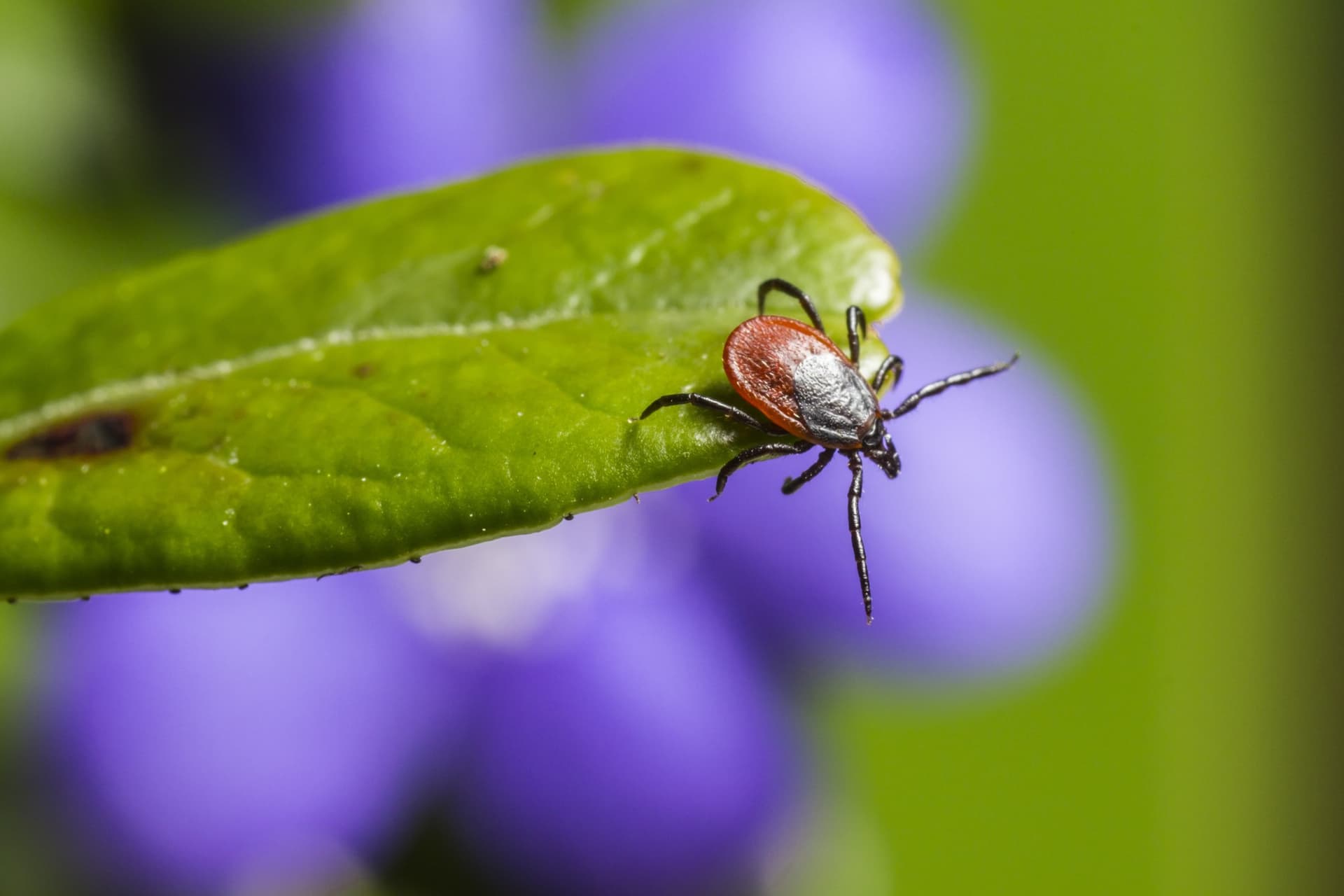
Tick Control
Why is inspection important for tick control?
Answers about tick control in Southern Maryland & Northern Virginia.
Inspection is critical because every yard has different tick risk zones. A proper inspection ensures treatments are placed only where ticks live, making control safer and more effective.
Trusted Local Experience
Gene Wright began professional pest work in 1998, and founded Planet Friendly Pest Control in 2010 to bring that experience to homeowners across Northern Virginia and Southern Maryland.
Why This Happens
Ticks are not evenly spread across a property.
They concentrate in specific areas that provide shade, moisture, and access to wildlife. These areas vary from yard to yard based on layout, landscaping, tree cover, and animal movement.
One home may have heavy tick pressure along a wooded back fence. Another may have issues near stone walls, sheds, or shaded drainage areas. Even neighboring properties can have very different risk patterns.
In Northern Virginia and Southern Maryland, mixed landscapes—lawns next to woods, creeks, or green space—make inspection essential.
What This Means for Your Home
Without inspection, tick control becomes guesswork.
That often leads to:
Homeowners ask this question because they want to know why some treatments fail. The answer is usually placement, not effort.
When risk zones are identified correctly, control becomes predictable instead of frustrating.
- Treating areas that don’t need it
- Missing the areas that do
- Using more product than necessary
- Getting short-term results that don’t last
How Professionals Address It
Professional tick control always starts with an inspection.
We walk the property and identify:
At Planet Friendly Pest Control, inspection guides exact placement of control methods, including life-cycle interruption tools and thin, targeted bands along transition zones.
This inspection-driven approach allows us to:
Interior treatments are rarely needed. The solution starts outside, with proper placement.
- Shaded, moist ground cover
- Lawn-to-woods transition zones
- Wildlife travel paths
- Rodent nesting areas
- Pet and foot traffic patterns
- Avoid whole-yard treatments
- Protect beneficial insects
- Reduce exposure for families and pets
- Focus effort where it actually matters
What Homeowners Can Do Now
Helpful, non-DIY steps you can take:
If a company skips inspection, that’s a warning sign.
- Walk your yard and note shaded, damp areas
- Watch where pets and wildlife travel
- Keep edges trimmed and visible
- Reduce leaf litter and clutter near borders
- Ask any provider how inspection guides treatment
When to Call a Professional
If ticks have been a recurring issue or if previous treatments didn’t last, inspection is the missing piece.
A professional inspection explains where the risk actually is and what level of control makes sense for your specific yard. This saves time, cost, and unnecessary application over the long term.
Good tick control isn’t about doing more—it’s about doing the right things in the right places.
Common Questions
Can’t all yards be treated the same way? No. Tick habitat varies widely from property to property.
Does inspection add cost without benefit? No. It prevents wasted treatment and improves results.
Is inspection needed every time? Periodic inspection ensures placement stays accurate as conditions change.
Written by Planet Friendly Pest Control, serving Northern Virginia and Southern Maryland since 1998. This guidance reflects decades of hands-on inspection experience using outside-first, minimal-product pest control methods focused on long-term prevention and home protection.
Ready to book your free inspection?
Hundreds of Google reviews across our verified service locations. Schedule a free, no-obligation inspection and we’ll start with the exterior — where most problems begin.