
Stinging Insect Control in Southern Maryland & Northern Virginia
Safe, Professional Removal of Wasps, Hornets, and Other Stinging Insects
Free & no obligation · By appointment · Southern MD & Northern VA
Why it keeps happening
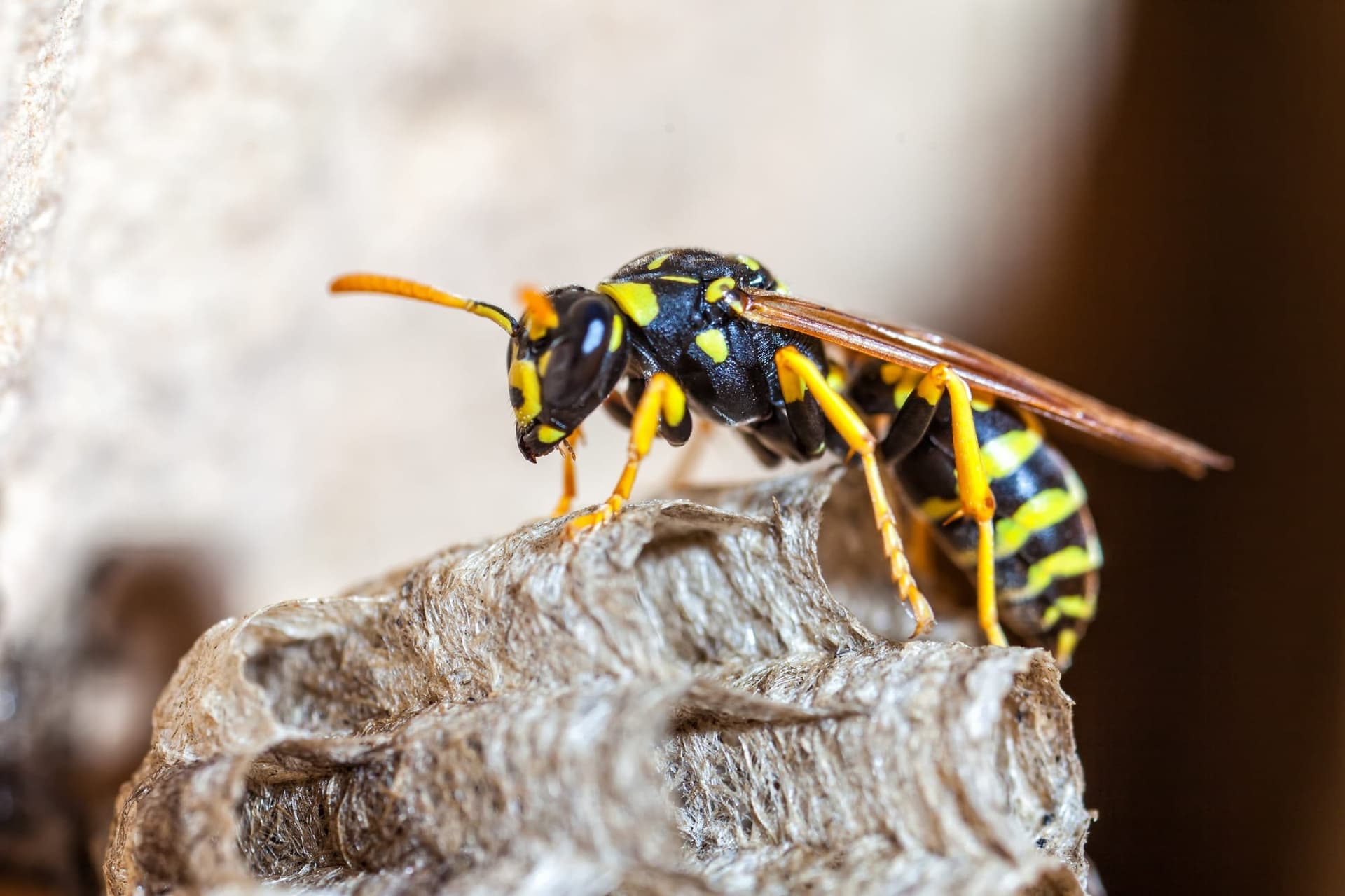
In Southern Maryland and Northern Virginia, stinging insect activity around homes is usually caused by nesting and colony growth in protected outdoor areas.
The real question
Why do I suddenly have wasps or hornets around my home?
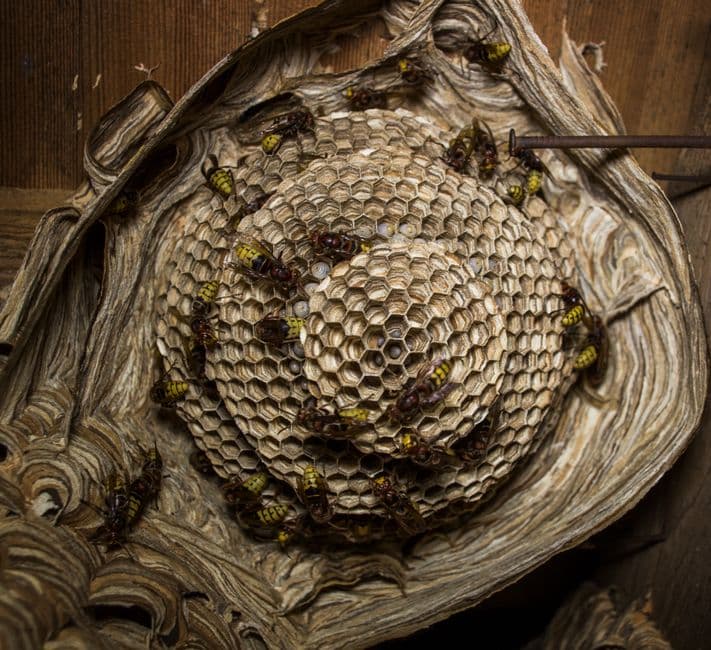
Wasps, hornets, and other stinging insects build nests in sheltered outdoor locations such as eaves, siding gaps, decks, and trees. Activity increases during warm months as colonies grow larger and become more defensive. Effective stinging insect control focuses on identifying nest locations and safely treating or removing them, rather than attempting DIY removal that can increase sting risk.
Not sure what you’re seeing? An inspection tells you exactly what’s going on.
What Homeowners in Southern Maryland & Northern Virginia Are Seeing
Most homeowners contact us after noticing:
- Wasps or hornets flying near doors, decks, or patios
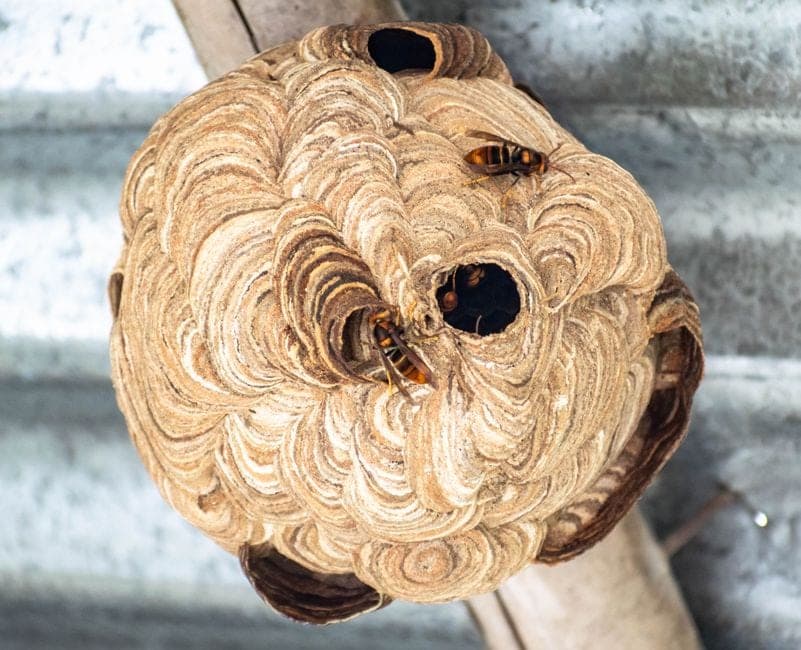
- Nests forming under eaves, soffits, or railings
- Increased insect activity around outdoor gatherings
- Stinging insects becoming more aggressive over time
- Concern for children, pets, or visitors
These situations often escalate as the season progresses and colonies expand.
Why Stinging Insect Problems Get Worse Over Time
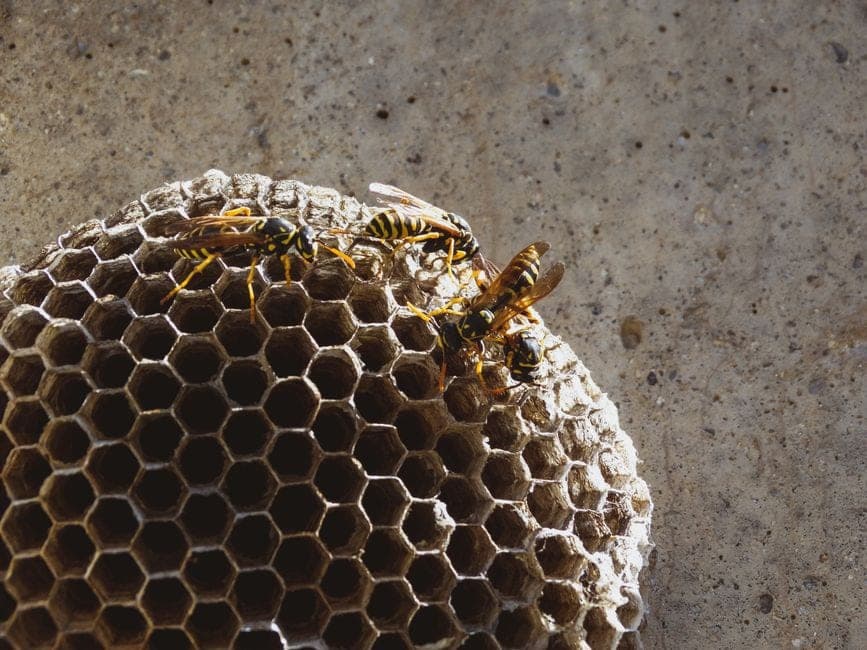
Most stinging insect problems are caused by nest expansion and colony growth rather than isolated insect activity.
Stinging insects commonly build nests:
- Under rooflines and eaves
- Inside wall voids or siding gaps
- In trees, shrubs, or bushes
- Around decks, fences, and play areas
As colonies grow, insects become more protective of the nest, increasing the risk of stings if disturbed.
Why DIY Removal Is Risky and Often Fails
Attempting to spray or remove nests without proper equipment can be dangerous.
When nests are disturbed improperly, stinging insects may swarm or aggressively defend the colony.
DIY methods often fail because:
- The entire nest isn't eliminated
- Activity increases after partial treatment
- Insects relocate and rebuild nearby
- Homeowners are exposed to unnecessary sting risk
Professional control focuses on safe, complete resolution, not trial-and-error.
Our Safe, Inspection-First Stinging Insect Control Approach
We treat stinging insect issues as a safety concern, not just a nuisance.
Our process typically includes:
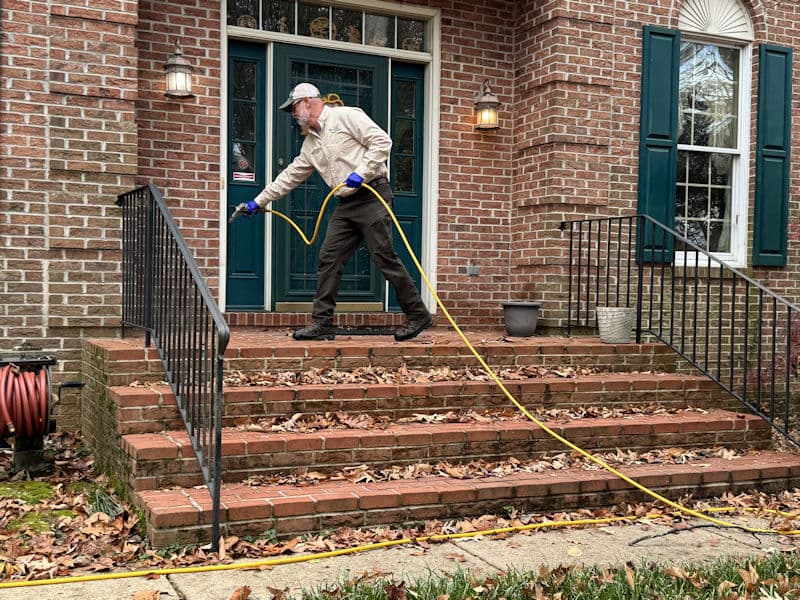
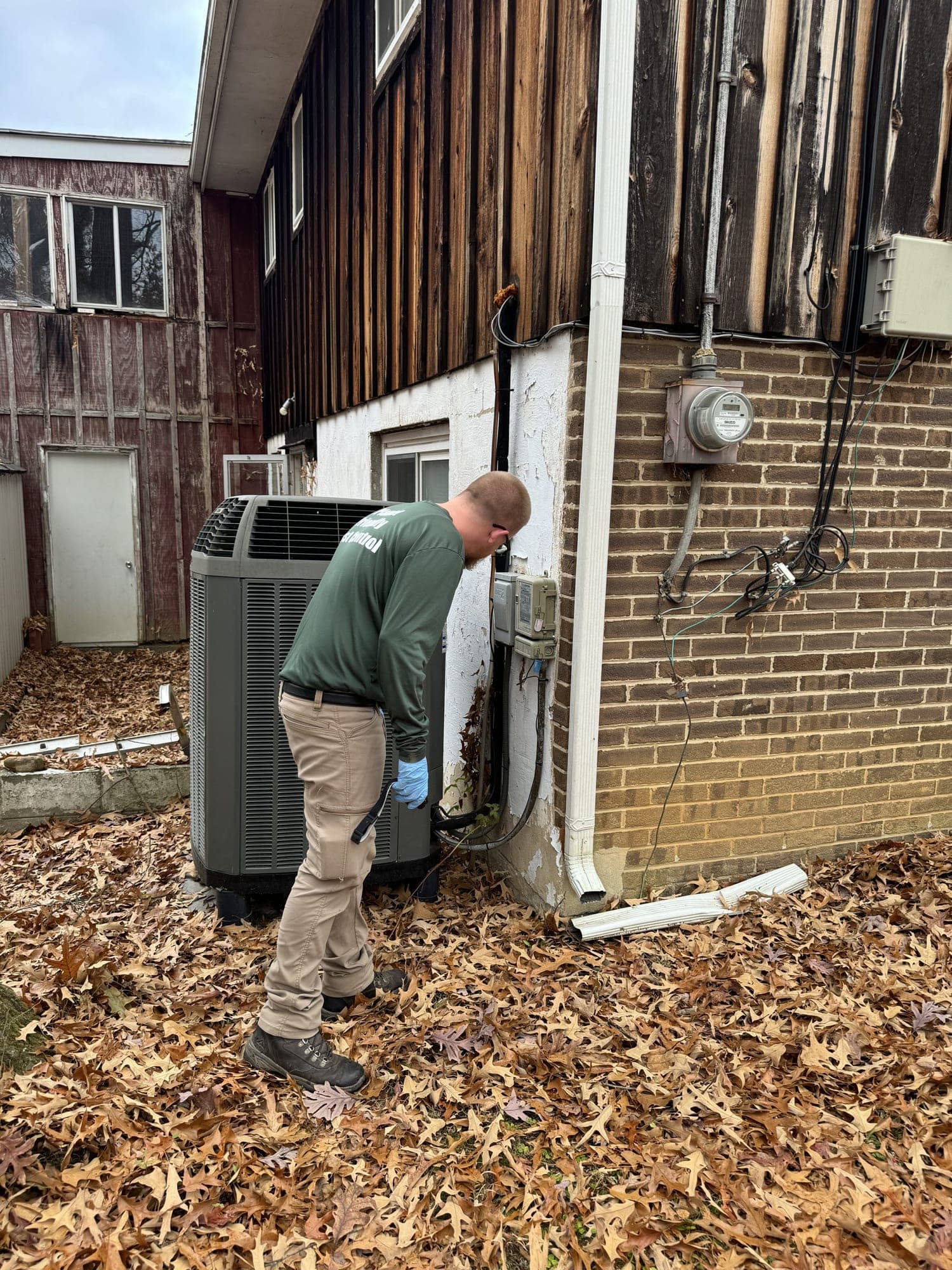
- Inspecting the property to locate nests and activity zones
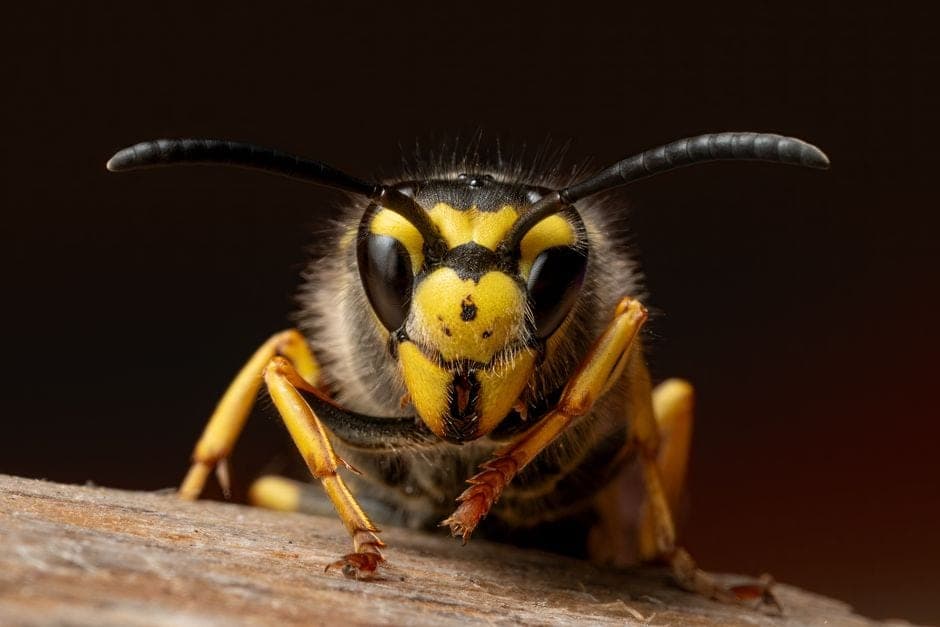
- Identifying the type of stinging insect involved
- Selecting the safest, most effective treatment method
- Applying targeted treatments to eliminate nests
- Reducing the chance of re-nesting in the same areas
Safety for homeowners, pets, and technicians is always the priority.
Why This Matters for Homes in Our Region
Southern Maryland and Northern Virginia experience heavy stinging insect activity during late spring, summer, and early fall.
Unresolved stinging insect problems can:
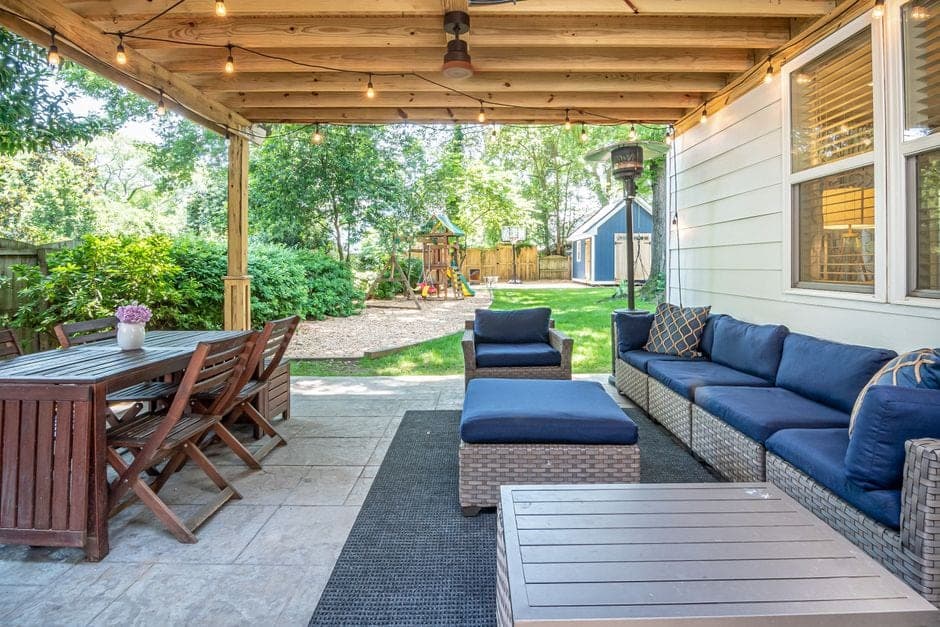
- Limit outdoor use of the home
- Create stress or anxiety around entrances and play areas
- Increase sting risk for children, pets, and guests
- Become more dangerous as colonies grow larger
Addressing nests early reduces risk and prevents escalation.
What Type of Stinging Insect Control Works Best?
For active nests or repeated stinging insect activity, professional identification and targeted nest treatment or removal is typically the safest and most effective option.
Professional control works because it:
- Eliminates the entire nest
- Reduces aggressive behavior
- Prevents re-nesting in high-risk areas
- Avoids unnecessary exposure to stings
Quick, correct action is more effective than repeated attempts.
Recommended Stinging Insect Control Services
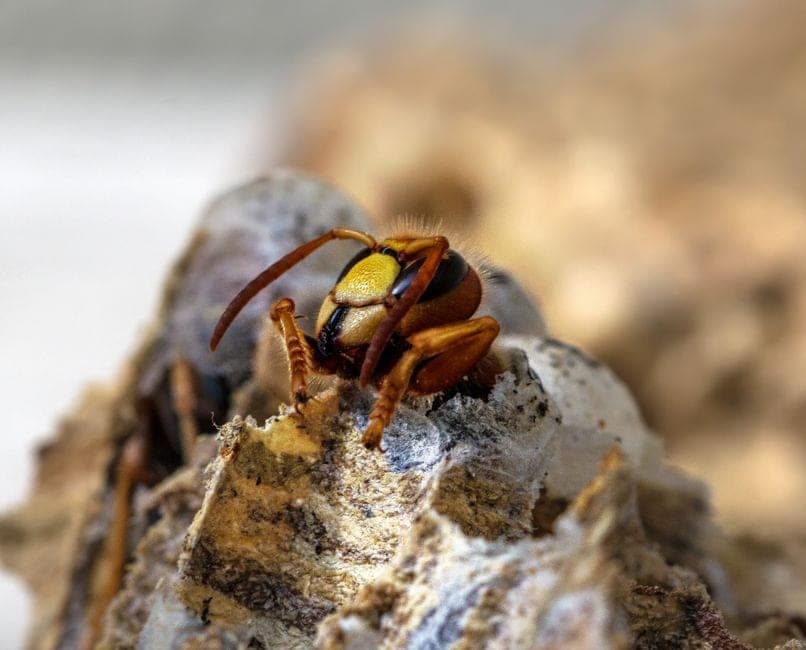
Most stinging insect issues are resolved through targeted nest treatment or removal, based on inspection findings.
These services focus on:
- Safe elimination of nests
- Accurate identification of insect species
- Targeted treatment, not blanket spraying
- Reducing future nesting opportunities
An inspection ensures the right approach is used for each situation.
Reviews
Hear From Our Happy Customers
Hundreds of Google reviews across our verified service locations.
Excellent on Google
Josh F.
Google review · Sep 2026
Alex was great! Very professional and explained the whole process before doing any work. We had a wasp nest in our wall, getting in through a seam between our brick and siding. I thought it would be a costly problem, but it was taken care of in about 15 minutes.
Amy B.
Google review · Sep 2026
I am very pleased with the work of Planet Friendly Pest Control. I had a large wasp nest in the garage and they came out to treat it the same day! The process was clear and professional. I was told the price when I called and they didn't try to upsell me on a monthly or quarterly contract. As mentioned above, they came out the same day I called and they texted me when they were on their way. They treated the nest and then came back a week later to confirm it was taken care of and removed the nest. It's now been a couple of weeks since the initial visit and no sign of new wasps! I would not hesitate to use them again.
Cheryl P.
Google review · Aug 2026
Tech was very nice, explained what the chemical is designed to do.
Patrick H.
Google review · Jul 2026
I want to sincerely thank Planet Friendly Pest Control and its owner, Gene Wright, for their immediate response and action to deal with a hive of Bald Face Hornets who, unbeknownst to me, had taken home in a fair size shrub at the back of my house. As I attempted to trim the shrub, I was swarmed by Hornets and stung 8 or 9 times before I could get to safety. I left my tractor and tools in a hurry and was afraid to retrieve them until the bee issue was addressed. Again, PFPC responded quickly and allowed me to get my tools and continue my recovery from the bee stings. I considered the price to be very fair for the treatment of the issue at hand and the sharing of knowledge to avoid further such mishaps. I will only call PFPC when in need of pest control.
Betty E.
Google review · Jul 2026
Roger came out and killed hornets in large nest on our house. It was taken care of the day after I called for service.
Ken C.
Google review · Jun 2026
Planet Friendly has been doing our pest control for several years now. They are reliable, and perform a great service for us. We are notified by email when the appointment is confirmed. They are always professional and knowledgeable.
Nikole R.
Google review · Jun 2026
Really appreciate Roger coming out to the house to not only treat for common insects that like to make their way into the house (regularly scheduled maintenance), but also exterminate a hornet nest we found on our deck this last week. Great service, arrives on schedule (and sends a text with arrival time when he’s on his way), and most importantly - no critters coming inside my house - or hornets potentially stinging us. Recommend Planet Friendly Pest Control to anyone looking for an exterminator.
Kathleen M.
Google review · Jun 2026
Great service. No bugs in the house! They quietly and quickly get the job done, no hastle.
San D.
Google review · Jun 2026
Roger was very kind and professional. He did an excellent job attending to areas of the exterior of our home that required extra attention.
Patti W.
Google review · Jun 2026
Gene Wright came highly recommended by multiple neighbors. He came out the same day I called and showed great knowledge about our mouse problem! Gene was responsible, knowledgeable and a delight to deal with. We highly recommend Planet Friendly Pest Control.
Denise A.
Google review · Apr 2026
This is my third year using Planet Friendly to control ants in my home. I have yet to see an ant. What a relief. This is a real necessity where I live. Thank you.


Frequently Asked Questions About Stinging Insect Control
Yes. Disturbing a nest without proper protection can trigger aggressive behavior and increase sting risk.
This depends on nest location and insect type. Our technician will determine the safest and most effective option.
Yes. Treatments are applied carefully and strategically with safety as the priority.
Many nests can be addressed in a single visit, depending on conditions and accessibility.
They can if conditions allow re-nesting, which is why we focus on treating and discouraging activity in problem areas.
Activity typically increases from late spring through early fall, with peak aggression in mid- to late summer.
Yes. Our bee and wasp nest removal page explains what we treat, what to do if you find a nest, and how a visit works.
Trusted locally
Local Stinging Insect Control Experience You Can Trust
Planet Friendly Pest Control serves Southern Maryland and Northern Virginia with inspection-first, outside-focused pest management designed to protect homes, families, and pets with minimal product use.
Owner Gene Wright has solved local pest problems since 1998.
- Licensed in MarylandLicense #31162
- Licensed in VirginiaLicense #13372
- A+ BBB ratingNot BBB accredited
- MSPCA memberMaryland State Pest Control Association
- NPMA memberNational Pest Management Association
People Also Ask About Wasp & Hornet Control
Yes. Wasp nests near doors, decks, or walkways increase the risk of surprise stings because wasps aggressively defend their nest area. The closer the nest is to daily activity, the higher the risk.
Read the full article: Are wasp nests dangerous around my house?Yes. Hornets may perceive movement, vibration, or noise as a threat and attack even without direct contact. This is especially common when nests are nearby.
Read the full article: Can hornets attack without being provoked?Yes. Yellow jackets are among the most aggressive stinging insects and will attack in groups when their nest is disturbed. Ground nests are especially dangerous.
Read the full article: Are yellow jackets more aggressive than wasps?Yes. Children are more likely to accidentally disturb nests while playing and may not react quickly enough to avoid multiple stings. This increases injury risk.
Read the full article: Are stinging insects dangerous for children?Yes. Pets often sniff, dig, or chase insects, which can trigger defensive attacks and lead to facial or mouth stings.
Read the full article: Are stinging insects dangerous for pets?DIY vs Professional Control
Usually not. Most sprays don't eliminate the nest and can cause aggressive swarming toward the person spraying.
Read the full article: Is it safe to spray a wasp nest myself?No. Knocking down a nest almost always causes immediate attacks and rarely solves the problem completely.
Read the full article: Does knocking down a wasp nest work?Not necessarily. While insects are less active, disturbing the nest can still trigger defensive behavior and poor visibility increases injury risk.
Read the full article: Is removing a nest at night safer?DIY products typically kill only visible insects and don't reach the nest or returning workers. This allows the colony to recover quickly.
Read the full article: Why do DIY treatments fail so often?Yes. Professionals use protective equipment and targeted treatments that eliminate nests without provoking widespread attacks.
Read the full article: Is professional stinging insect removal safer?Identification Questions
Hornets are larger and build enclosed paper nests, while wasps usually build open, umbrella-shaped nests. Size and nest structure help identify them.
Read the full article: How can I tell if I have wasps or hornets?Yellow jacket nests are often hidden underground or inside wall voids, with heavy insect traffic entering and exiting.
Read the full article: What do yellow jacket nests look like?Common locations include eaves, soffits, porch ceilings, decks, and sheds. They prefer protected, quiet areas.
Read the full article: Where do wasps usually build nests?Yes. Yellow jackets commonly nest inside wall voids and attics, often unnoticed until activity increases.
Read the full article: Can stinging insects nest inside walls?Often, yes. Repeated sightings in the same area usually indicate an active nest close by.
Read the full article: Does seeing one wasp mean there's a nest nearby?Prevention & Control
Exterior barrier treatments and reducing nesting sites help discourage future nests. Prevention is more effective than removal alone.
Read the full article: How do I prevent wasps from nesting again?Yes. Old nests can attract new insects and indicate favorable conditions around the home.
Read the full article: Should old nests be removed?Yes. Sealing entry points reduces nesting opportunities and limits protected areas insects prefer.
Read the full article: Does sealing cracks and gaps help?Yes. Targeted exterior treatments reduce pressure and make treated areas less attractive for nesting.
Read the full article: Do professional treatments stop future nests?Seasonal treatments last several months, while year-round plans help prevent recurring problems.
Read the full article: How long does stinging insect control last?Timing, Cost & Expectations
Late summer and early fall are peak times due to larger colonies and increased aggression.
Read the full article: When is stinging insect season the worst?Yes. Without prevention, new nests often form nearby during the same season.
Read the full article: Can stinging insects return after removal?Sometimes, but recurring pressure often requires ongoing exterior protection.
Read the full article: Is one treatment enough to solve the problem?It is typically less costly than medical treatment from multiple stings or emergency visits.
Read the full article: Is professional stinging insect control expensive?No. Active nests pose immediate risk and should be addressed as soon as they are discovered.
Read the full article: Should I wait until winter to remove a nest?Family, Home & Peace of Mind
Yes. Exterior-first treatments minimize exposure while addressing the problem at the source.
Read the full article: Is stinging insect treatment safe for pets and kids?No. Proper exterior treatment eliminates activity where insects live and nest.
Read the full article: Will stinging insects come inside after treatment?No. Stinging insects are exterior pests, and interior spraying is unnecessary.
Read the full article: Do professionals spray inside the house?Yes. Some species chew wood and nest in wall voids, causing structural concerns over time.
Read the full article: Can stinging insects damage my home?Avoid the area and schedule a professional inspection immediately. Do not spray or disturb the nest.
Read the full article: What should I do if I see an active nest right now?
Free & no obligation
Ready to Address a Stinging Insect Problem Safely?
Stinging insects such as wasps and hornets build nests in protected outdoor areas including eaves, siding gaps, and trees. In Southern Maryland and Northern Virginia, colony activity increases during warm months as nests grow larger and more defensive. Effective stinging insect control requires professional identification and treatment or removal of nests to reduce sting risk safely.
If a covered pest returns while the customer's service is active, Planet Friendly Pest Control will return and address the problem at no additional charge.
- Free initial inspection
- No long-term contracts