Crawl Space Moisture and Ventilation: What Southern Maryland and Northern Virginia Homeowners Should Know
Most people only think about the crawl space when something goes wrong. A musty smell upstairs, a cold floor, a bug that shouldn't be there. By then the moisture has usually been building for a while.
Summers in Southern Maryland and Northern Virginia are humid, and plenty of homes here have crawl spaces. That combination is why this question comes up so often. This guide covers what makes a crawl space damp, whether vents help, what fungus and mold mean, and which bugs show up when the moisture does.
It's a guide, not a diagnosis. If you're worried about your own crawl space, an inspection is the only way to know for sure.
Why crawl spaces get damp
A crawl space is a low, dark area under the house, and the ground underneath it holds water. Moisture gets in a few ways:
- Rain that runs toward the foundation because of the grading or an overflowing gutter
- Downspouts that empty right next to the house
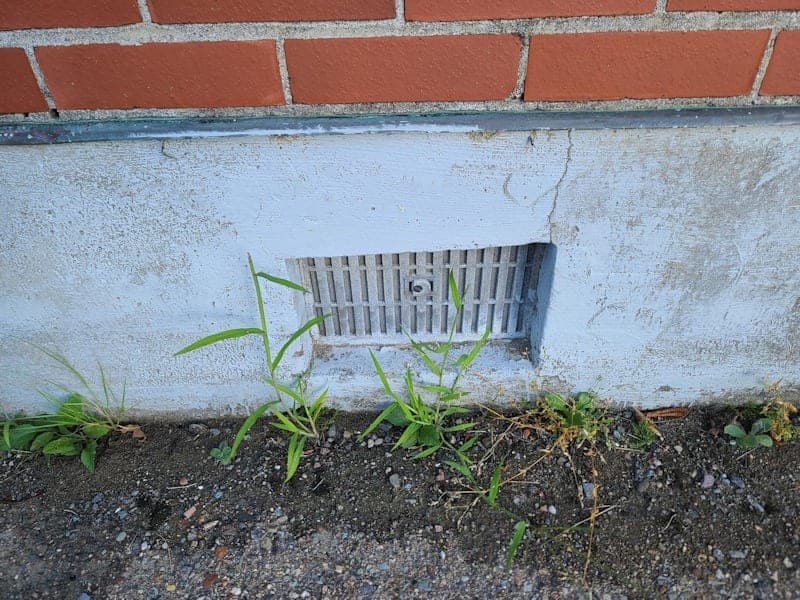
- Humid outdoor air that comes in through open vents and condenses on cooler surfaces
- Bare soil, which gives off moisture all the time
- A slow plumbing leak or a dripping condensate line
- A high water table or cracks in the foundation wall
Signs your crawl space has a moisture problem
Some clues show up upstairs, before you ever open the access hatch. One on its own doesn't prove anything. Two or three together are a good reason to take a look:
- A musty or earthy smell that gets stronger in summer
- Floors that feel cold or soft in places
- Water on pipes or ducts under the house
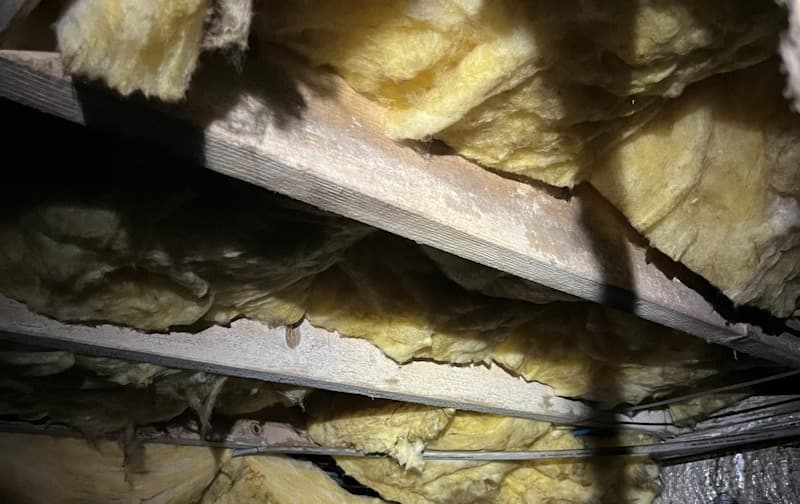
- Damp, sagging or fallen insulation between the joists
- White or gray fuzz, or dark patches, on wood or soil
- Standing water after rain
- More bugs than usual, such as roaches, centipedes or spiders
Crawl space ventilation: do you need vents?
For decades, building codes called for vents in crawl space walls. The idea was simple: let outside air in and let the dampness out.
The thinking has changed. In a humid climate, warm outside air coming through open vents meets cooler surfaces in the crawl space and condenses. That can add moisture instead of removing it. It's why many contractors, including us, lean toward sealing a crawl space and controlling the humidity instead of leaving the vents open.
The right answer still depends on your house, what the soil is doing and what's causing the moisture in the first place. Closing vents without fixing a leak or a drainage problem won't help. And check what your local code requires before you change anything.
Our article Should a crawl space have ventilation? goes through the pros and cons in more detail.
What a healthy crawl space looks like
When a crawl space is in good shape, you'll usually notice:
- Dry soil, or a vapor barrier covering the ground
- Insulation held firmly in place between the joists
- No standing water and no damp smell
- Humidity kept in check. Many guides aim for roughly 30% to 50%, the range our humidity guide uses
Crawl space fungus and mold: what it is and how it's treated
If you've found fungus in your crawl space, the first thing to know is that it's a symptom. White or gray fuzz on wood or soil is often fungus. Black, green or patchy growth on joists, insulation or the subfloor is more likely mold. You can't always tell by looking, and neither belongs in your crawl space. Our article on fungus versus mold in a crawl space explains how to tell them apart.
Either way, growth is a sign that moisture is the real problem. Scrubbing it off without fixing the moisture means it comes back. If it covers more than a small patch, leave it alone and have someone look at it. Disturbing it can spread spores into the house.
Treating it means fixing the moisture first, then cleaning the stained wood and treating it. In our Healthy Crawl Space process, the wood is cleaned and then treated to kill existing fungi and help prevent new growth.
Crawl space bugs: what moisture brings in
Damp wood and still, dark air attract bugs. The one that matters most is the termite, because it eats the wood your house sits on. Our article Termites Don't Start With Termites. They Start With Moisture. explains why.
Roaches, spiders, centipedes and silverfish also move into damp crawl spaces, and mice and rats use them for shelter. If you're already seeing bugs, fix the moisture and deal with the bugs. We can help with termite control, general crawling insects and rodent control.
How to check your crawl space
Don't go in if there's standing water near wiring, if you smell gas, or if you aren't comfortable in tight spaces. Otherwise, here's a simple check:
- Walk the outside first. Gutters, downspouts and the soil along the foundation should send water away from the house.
- Look at the vents and the access hatch for gaps or damage.
- With a flashlight, look for wet soil, stains on the joists, sagging insulation and water on pipes.
- Smell the air. A strong musty smell means moisture.
- Leave a small hygrometer in the space for a few days and note the reading.
- Take photos. They help whoever inspects it next.
What fixes a damp crawl space
Start with the cause. Redirect downspouts, fix leaks, correct the grading and keep gutters clear. For many homes that isn't enough on its own, and the next step is a sealed, conditioned crawl space, often called encapsulation.
Our Healthy Crawl Space service follows nine steps: prepare, disinfect, clean, protect, re-insulate, prevent, eliminate odors, manage the air and encapsulate. In most cases we recommend a dehumidifying system as part of managing the air. Not every crawl space needs every step, and an inspection is how we find out which ones yours does.
When to call someone
Don't wait if you see any of these:
- Standing water that keeps coming back
- Mold or fungus covering more than a small patch
- Soft, damaged or crumbling wood
- Signs of termites, such as mud tubes or swarming insects
- Rodent droppings or a nest
- A musty smell that stays after you've fixed the obvious causes