
Tick Control in Southern Maryland & Northern Virginia
Reduce Tick Activity Around Your Home — Without Over-Treating Your Property
Free & no obligation · By appointment · Southern MD & Northern VA
Why it keeps happening
In Southern Maryland and Northern Virginia, tick activity around homes is driven by outdoor habitat conditions and nearby wildlife rather than random exposure.
The real question
Why are there ticks in my yard?
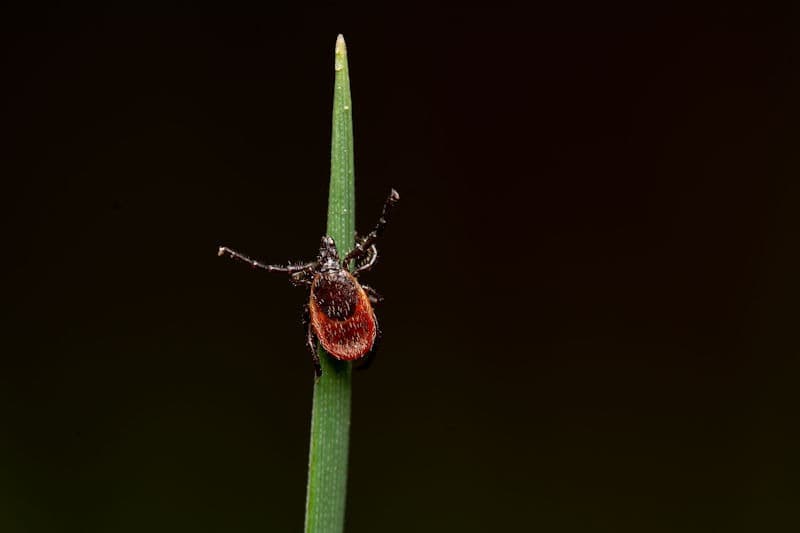
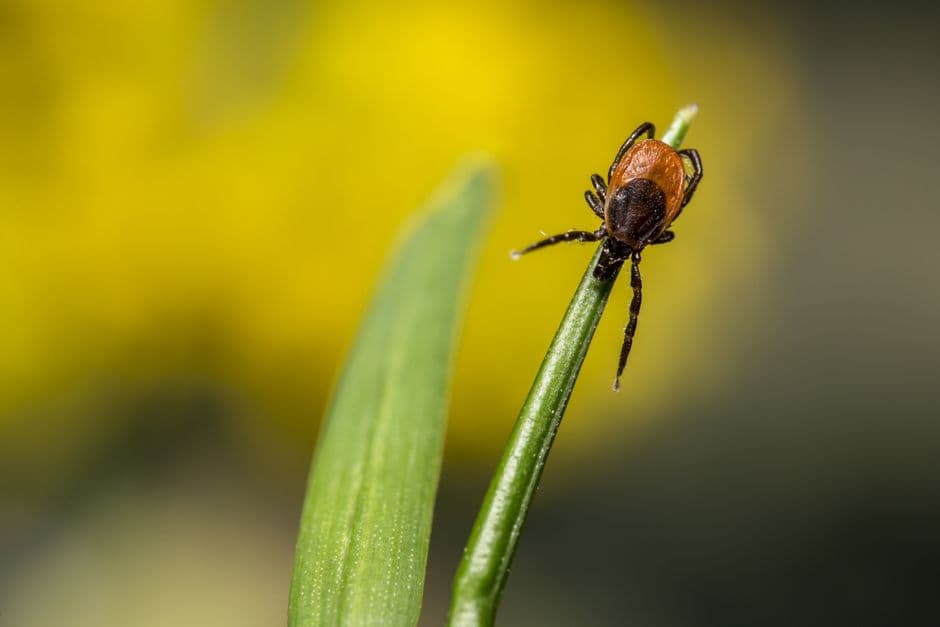
Ticks thrive in shaded, humid outdoor areas with tall grass, leaf litter, and nearby wildlife. In this region, wooded lots, dense landscaping, and seasonal conditions create ideal environments for tick activity. Effective tick control focuses on treating outdoor habitat areas where ticks live and travel, rather than reacting to occasional sightings.
Not sure what you’re seeing? An inspection tells you exactly what’s going on.
What Homeowners in Southern Maryland & Northern Virginia Are Seeing
Homeowners typically reach out after noticing:
- Ticks on pets after being outside
- Ticks found on clothing or shoes
- Increased tick activity in spring and early summer
- Ticks near wooded edges, fences, or play areas
- Ongoing concern about outdoor safety
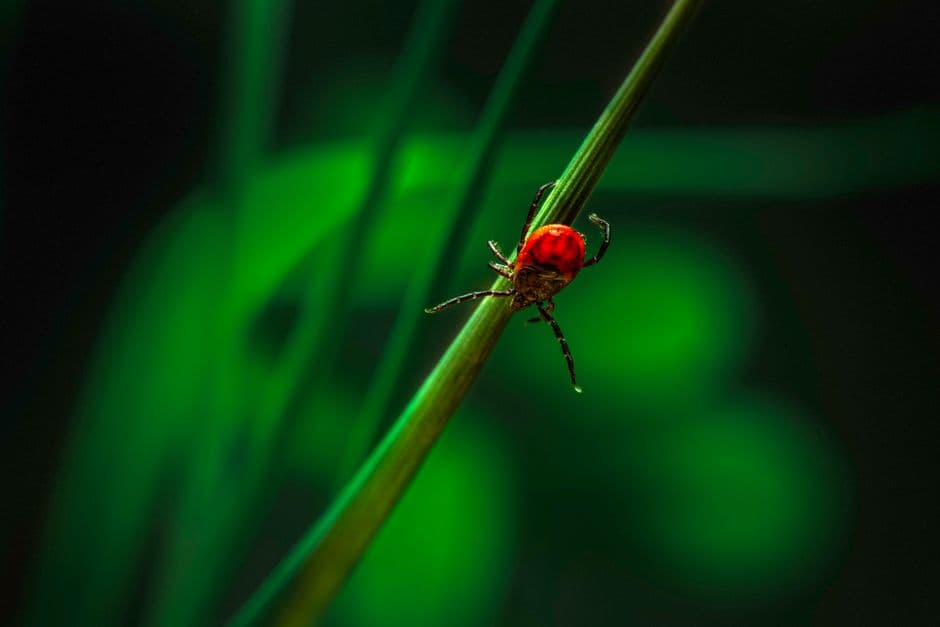
In most cases, ticks are already established in outdoor habitat areas before homeowners notice them.
Why Tick Problems Keep Returning
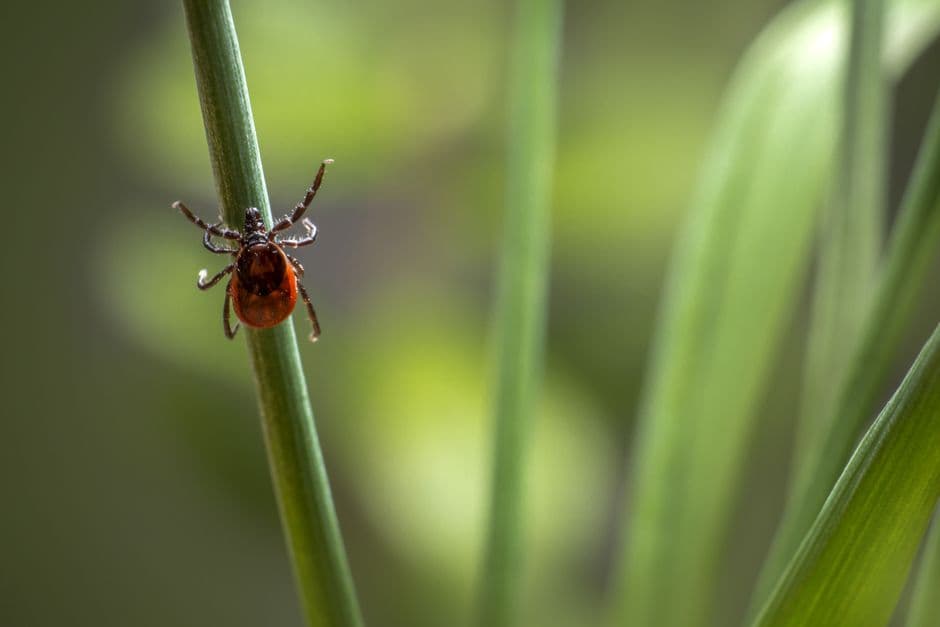
Most recurring tick problems are not indoor issues — they are driven by exterior habitat conditions and ongoing wildlife activity.
Ticks commonly live:
- In tall grass and brush
- Along wooded edges and fence lines
- In leaf litter and shaded soil
- Near areas frequented by deer, rodents, and other wildlife
As long as these conditions exist, tick populations can remain active and spread across the property.
Why DIY and One-Time Tick Treatments Fall Short
DIY products and one-time applications often provide limited, short-term results.
When the habitat isn't addressed, tick activity returns — even after treatment.
These approaches fail because:
- Ticks remain hidden in shaded areas
- Eggs and immature ticks continue developing
- Rain and weather reduce product effectiveness
- Wildlife reintroduces ticks onto the property
Consistent, targeted treatment is key to meaningful tick reduction.

Our Eco-Smart, Habitat-Focused Tick Control Approach
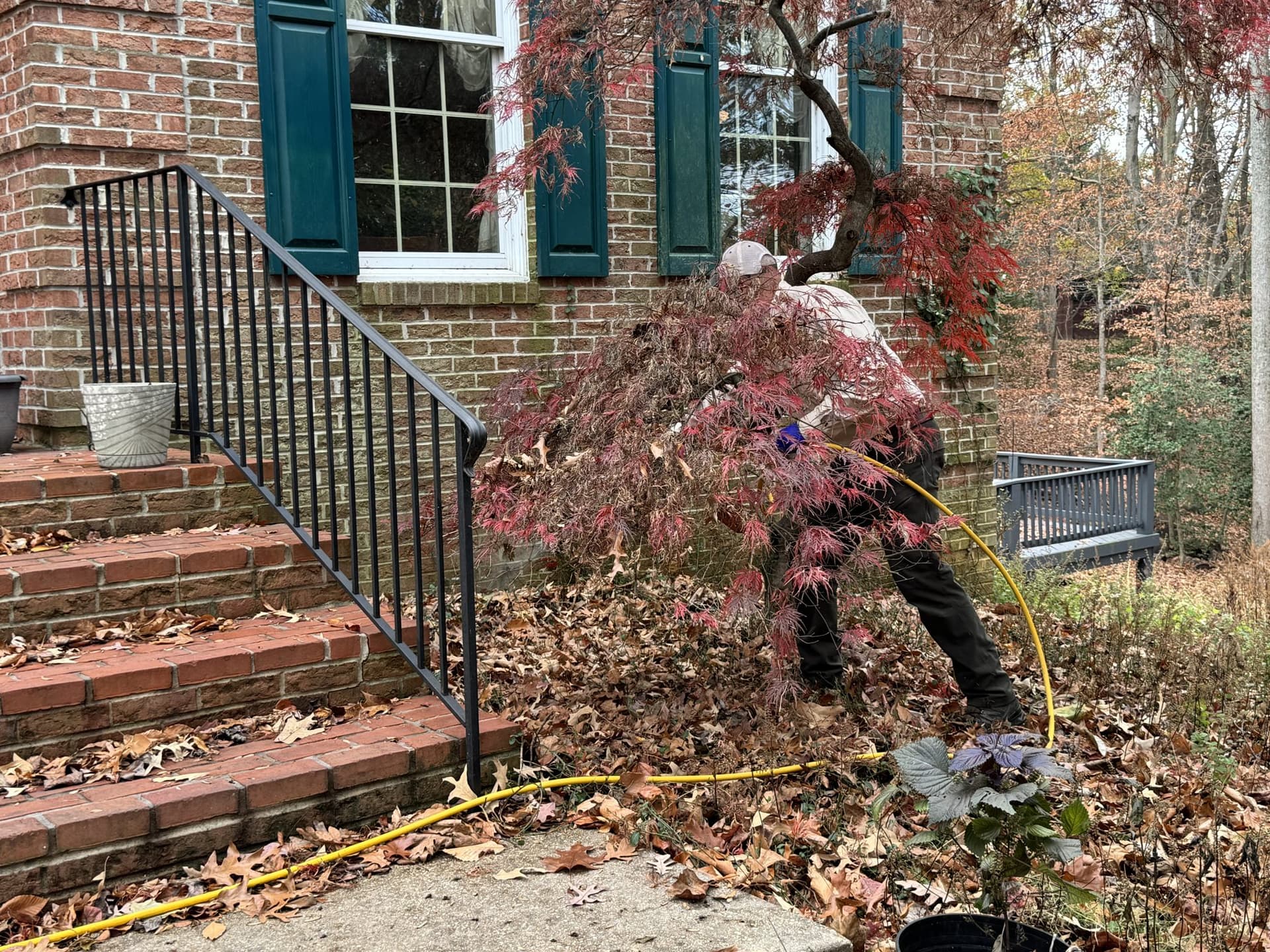
We treat tick control as an outdoor environmental management issue, not a blanket spraying service.
Our tick control process typically includes:
- Inspecting the property for tick habitat and activity zones
- Identifying shaded, high-risk areas and wildlife pathways
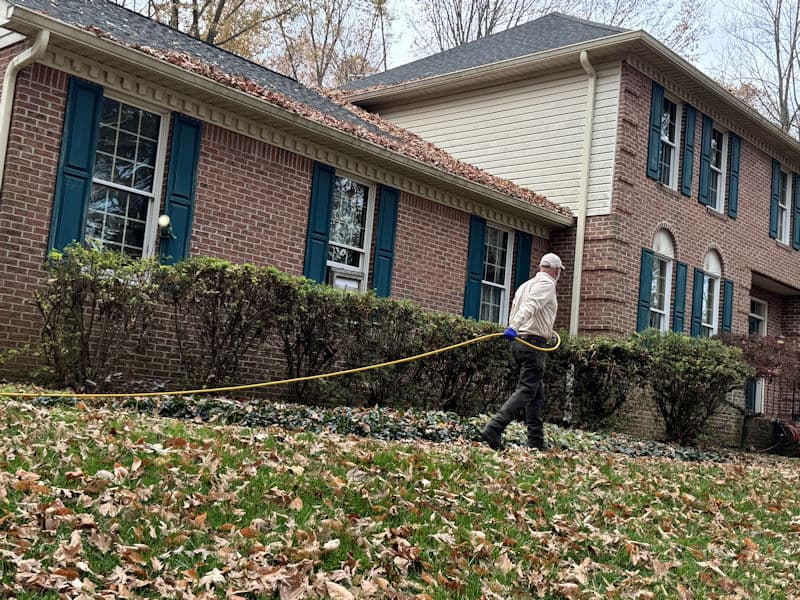
- Applying targeted exterior treatments where ticks live and travel
- Minimizing unnecessary product use
- Adjusting treatments as conditions and seasons change
This approach focuses on reducing tick populations over time, not just temporary knockdown.
Why This Matters for Homes in Our Region
Southern Maryland and Northern Virginia provide ideal conditions for ticks due to humidity, vegetation, and wildlife activity.
Uncontrolled tick activity can:
- Limit outdoor enjoyment
- Increase stress for families with children or pets
- Require repeated short-term fixes
- Create ongoing concern around outdoor safety
Reducing tick activity helps homeowners enjoy their property with greater peace of mind.

What Type of Tick Control Works Best?
For ongoing tick pressure, recurring seasonal treatments are typically more effective than one-time applications.
Ongoing tick control works because it:
- Interrupts tick life cycles
- Reduces population buildup over time
- Accounts for wildlife movement and re-introduction
- Adapts to weather and seasonal changes
This approach delivers more consistent, long-term results.
Recommended Tick Control Services
Most tick problems are best addressed with seasonal tick treatments, scheduled throughout peak activity months.
These services focus on:
- Treating high-risk outdoor areas
- Targeted applications instead of blanket spraying
- Ongoing monitoring and adjustment
- Long-term population reduction
A property inspection helps determine treatment frequency and coverage.
Reviews
Hear From Our Happy Customers
Hundreds of Google reviews across our verified service locations.
Excellent on Google
Josh F.
Google review · Sep 2026
Alex was great! Very professional and explained the whole process before doing any work. We had a wasp nest in our wall, getting in through a seam between our brick and siding. I thought it would be a costly problem, but it was taken care of in about 15 minutes.
Amy B.
Google review · Sep 2026
I am very pleased with the work of Planet Friendly Pest Control. I had a large wasp nest in the garage and they came out to treat it the same day! The process was clear and professional. I was told the price when I called and they didn't try to upsell me on a monthly or quarterly contract. As mentioned above, they came out the same day I called and they texted me when they were on their way. They treated the nest and then came back a week later to confirm it was taken care of and removed the nest. It's now been a couple of weeks since the initial visit and no sign of new wasps! I would not hesitate to use them again.
Cheryl P.
Google review · Aug 2026
Tech was very nice, explained what the chemical is designed to do.
Patrick H.
Google review · Jul 2026
I want to sincerely thank Planet Friendly Pest Control and its owner, Gene Wright, for their immediate response and action to deal with a hive of Bald Face Hornets who, unbeknownst to me, had taken home in a fair size shrub at the back of my house. As I attempted to trim the shrub, I was swarmed by Hornets and stung 8 or 9 times before I could get to safety. I left my tractor and tools in a hurry and was afraid to retrieve them until the bee issue was addressed. Again, PFPC responded quickly and allowed me to get my tools and continue my recovery from the bee stings. I considered the price to be very fair for the treatment of the issue at hand and the sharing of knowledge to avoid further such mishaps. I will only call PFPC when in need of pest control.
Betty E.
Google review · Jul 2026
Roger came out and killed hornets in large nest on our house. It was taken care of the day after I called for service.
Ken C.
Google review · Jun 2026
Planet Friendly has been doing our pest control for several years now. They are reliable, and perform a great service for us. We are notified by email when the appointment is confirmed. They are always professional and knowledgeable.
Nikole R.
Google review · Jun 2026
Really appreciate Roger coming out to the house to not only treat for common insects that like to make their way into the house (regularly scheduled maintenance), but also exterminate a hornet nest we found on our deck this last week. Great service, arrives on schedule (and sends a text with arrival time when he’s on his way), and most importantly - no critters coming inside my house - or hornets potentially stinging us. Recommend Planet Friendly Pest Control to anyone looking for an exterminator.
Kathleen M.
Google review · Jun 2026
Great service. No bugs in the house! They quietly and quickly get the job done, no hastle.
San D.
Google review · Jun 2026
Roger was very kind and professional. He did an excellent job attending to areas of the exterior of our home that required extra attention.
Patti W.
Google review · Jun 2026
Gene Wright came highly recommended by multiple neighbors. He came out the same day I called and showed great knowledge about our mouse problem! Gene was responsible, knowledgeable and a delight to deal with. We highly recommend Planet Friendly Pest Control.
Denise A.
Google review · Apr 2026
This is my third year using Planet Friendly to control ants in my home. I have yet to see an ant. What a relief. This is a real necessity where I live. Thank you.


Frequently Asked Questions About Tick Control
Yes. When applied consistently and correctly, professional tick treatments significantly reduce tick activity over time.
Yes. Our eco-smart approach uses targeted treatments applied strategically, with safety as a priority.
Most homeowners notice reduced tick activity within a few days, with continued improvement over subsequent treatments.
Ticks can return if treatments stop or wildlife activity increases, which is why ongoing service is recommended during the season.
Tick activity typically increases from spring through early fall, with peaks in late spring and early summer.
Reducing brush and leaf litter helps, but professional treatment is often needed for meaningful reduction.
Trusted locally
Local Tick Control Experience You Can Trust
Planet Friendly Pest Control serves Southern Maryland and Northern Virginia with inspection-first, outside-focused pest management designed to protect homes, families, and pets with minimal product use.
Owner Gene Wright has solved local pest problems since 1998.
- Licensed in MarylandLicense #31162
- Licensed in VirginiaLicense #13372
- A+ BBB ratingNot BBB accredited
- MSPCA memberMaryland State Pest Control Association
- NPMA memberNational Pest Management Association
People Also Ask About Tick Control
Yes, ticks are very common in yards near trees, brush, and wildlife. Many problems start right at the property edge.
Read the full article: Are ticks common in residential yards?Ticks prefer shaded, moist areas like leaf litter and tall grass. These areas allow them to wait for hosts safely.
Read the full article: Where do ticks usually hide in my yard?No, ticks can thrive in landscaped yards. Wildlife often brings them closer to homes.
Read the full article: Do ticks only come from the woods?Ticks are active whenever temperatures are mild. Spring and fall are peak seasons.
Read the full article: Are ticks active all year?They're most common near lawn edges and shade. Open, sunny grass is less attractive.
Read the full article: Can ticks live in lawns?Ticks attach to pets temporarily. Pets often carry ticks into living spaces.
Read the full article: Do ticks live on pets?Weather patterns and wildlife activity affect tick numbers. Some seasons are worse than others.
Read the full article: Why am I seeing more ticks lately?No, ticks persist without control. Ongoing protection helps reduce exposure.
Read the full article: Will ticks go away on their own?Safety & Health Concerns
Yes, some ticks can transmit diseases like Lyme disease. Reducing exposure lowers risk.
Read the full article: Can ticks transmit diseases?Risk increases the longer a tick is attached. Early removal reduces risk.
Read the full article: How long does a tick need to be attached to spread disease?Children are more exposed due to outdoor play. Yard control helps reduce risk.
Read the full article: Are tick bites dangerous to children?Yes, ticks can transmit diseases to pets. Integrated pest plans help protect them.
Read the full article: Are ticks harmful to pets?Targeted methods minimize impact on non-target insects. This is why placement matters.
Read the full article: Do tick treatments harm beneficial insects?Professional methods are designed with safety in mind. Treatments focus only on risk areas.
Read the full article: Is tick control safe for families?No, finding a tick doesn't mean illness. Reducing repeat exposure is the goal.
Read the full article: Should I panic if I find a tick?Ticks prefer outdoor conditions. Indoor survival is limited.
Read the full article: Can ticks survive indoors long-term?How Professional Tick Control Works
It reduces habitat and interrupts reproduction. This lowers tick populations over time.
Read the full article: How does professional tick control work?They target ticks through rodent nesting behavior. This disrupts the tick life cycle.
Read the full article: What are Thermacell tick tubes?No, treatments are targeted to high-risk areas. This limits unnecessary application.
Read the full article: Do you spray the entire yard for ticks?Results build gradually as reproduction is reduced. Protection improves over time.
Read the full article: How long does tick control take to work?Every yard has different risk zones. Inspection ensures proper placement.
Read the full article: Why is inspection important for tick control?They can if conditions change. Seasonal maintenance helps prevent resurgence.
Read the full article: Can ticks return after treatment?Yes, ticks and mosquitoes require different strategies. Many plans address both.
Read the full article: Is tick control different from mosquito control?Professionals target life cycles, not just visible pests. DIY methods are short-lived.
Read the full article: Why is professional control better than DIY?Timing, Cost & Expectations
Early spring is ideal. This limits population growth.
Read the full article: When should I start tick control?Most inspections take under an hour. Larger properties may take longer.
Read the full article: How long does a tick inspection take?Protection lasts through tick season. Ongoing service maintains results.
Read the full article: How long does tick control last?Cost depends on yard size and conditions. Inspection determines the right package.
Read the full article: Is tick control expensive?Yes, ticks return seasonally. Annual protection reduces exposure.
Read the full article: Do I need tick control every year?Remove leaf litter and trim vegetation. Professional control completes the solution.
Read the full article: What can I do to reduce ticks naturally?
Free & no obligation
Ready to Reduce Tick Activity Around Your Home?
Tick activity around homes is driven by shaded outdoor habitat, tall grass, leaf litter, and nearby wildlife. In Southern Maryland and Northern Virginia, ticks are most active during warmer months and along wooded or landscaped areas. Effective tick control focuses on treating outdoor habitat areas and interrupting tick life cycles through targeted, recurring treatments rather than reactive applications.
If a covered pest returns while the customer's service is active, Planet Friendly Pest Control will return and address the problem at no additional charge.
- Free initial inspection
- No long-term contracts