
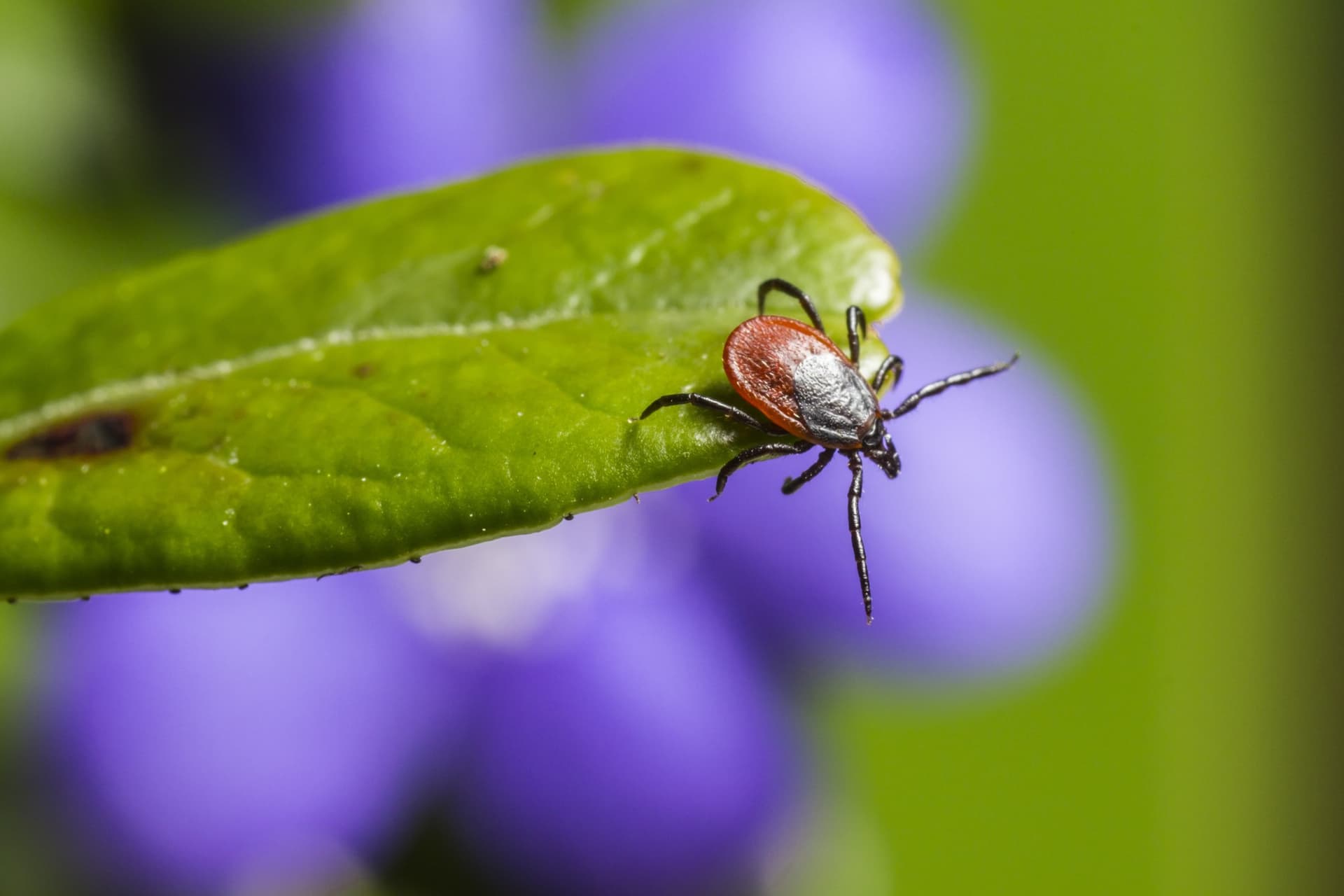
Tick Control
Are ticks harmful to pets?
Answers about tick control in Southern Maryland & Northern Virginia.
Yes, ticks can be harmful to pets because some ticks transmit diseases. Reducing tick exposure through an integrated yard protection plan helps keep pets safer.
Trusted Local Experience
Gene Wright began professional pest work in 1998, and founded Planet Friendly Pest Control in 2010 to bring that experience to homeowners across Northern Virginia and Southern Maryland.
Why This Happens
Pets spend their time exactly where ticks live.
Dogs and outdoor cats move through shaded grass, yard edges, leaf litter, and wooded borders—the same places ticks wait for a host. When a pet brushes past, ticks latch on and feed.
Ticks are drawn to body heat, movement, and scent. Thick fur makes attachment easier and detection harder. That’s why pets often pick up ticks before people ever notice activity in the yard.
In Northern Virginia and Southern Maryland, steady wildlife traffic and mild weather make tick exposure for pets very common.
What This Means for Your Home
A tick on a pet isn’t just a pet issue—it’s a household issue.
Pets can carry ticks indoors, where ticks may drop off onto floors, furniture, or bedding. That’s often when homeowners realize there’s a larger problem outside.
This question comes from care and responsibility. Homeowners want to protect their pets without overreacting or relying on constant treatments.
The biggest risk isn’t one tick—it’s repeated exposure over time when ticks are established in the yard.
How Professionals Address It
Professional tick control focuses on where pets pick ticks up, not just where ticks are found.
We inspect yard edges, dog paths, shaded rest areas, fence lines, and wildlife travel routes. These are the hotspots that matter most for pets.
The approach is exterior-first and targeted. Reducing tick populations outdoors dramatically lowers how often pets encounter ticks.
Interior treatments are rarely needed unless ticks have already spread inside. Prevention outside protects pets inside.
What Homeowners Can Do Now
Safe, DIY steps you can take:
Avoid relying on yard sprays or quick fixes without understanding where ticks are coming from.
- Check pets after every outdoor outing
- Keep grass trimmed, especially near edges
- Remove leaf litter and brush from pet areas
- Wash pet bedding regularly
- Limit access to wooded or brushy edges when possible
When to Call a Professional
If you’re finding ticks on pets regularly, the source is almost always the yard.
A professional inspection can show where ticks are being picked up and how to reduce exposure without over-treating the property. Integrated prevention helps protect pets long-term.
This isn’t about urgency—it’s about consistency and prevention.
Common Questions
Can ticks make pets sick? Yes. Some ticks can transmit diseases to pets.
Do ticks live on pets permanently? No. They attach temporarily, then drop off into the environment.
Does yard control really help pets? Yes. Fewer ticks in the yard means fewer ticks on pets.
Written by Planet Friendly Pest Control, serving Northern Virginia and Southern Maryland since 1998. This guidance reflects decades of hands-on inspection experience using outside-first, minimal-product pest control methods focused on long-term prevention and home protection.
Ready to book your free inspection?
Hundreds of Google reviews across our verified service locations. Schedule a free, no-obligation inspection and we’ll start with the exterior — where most problems begin.