
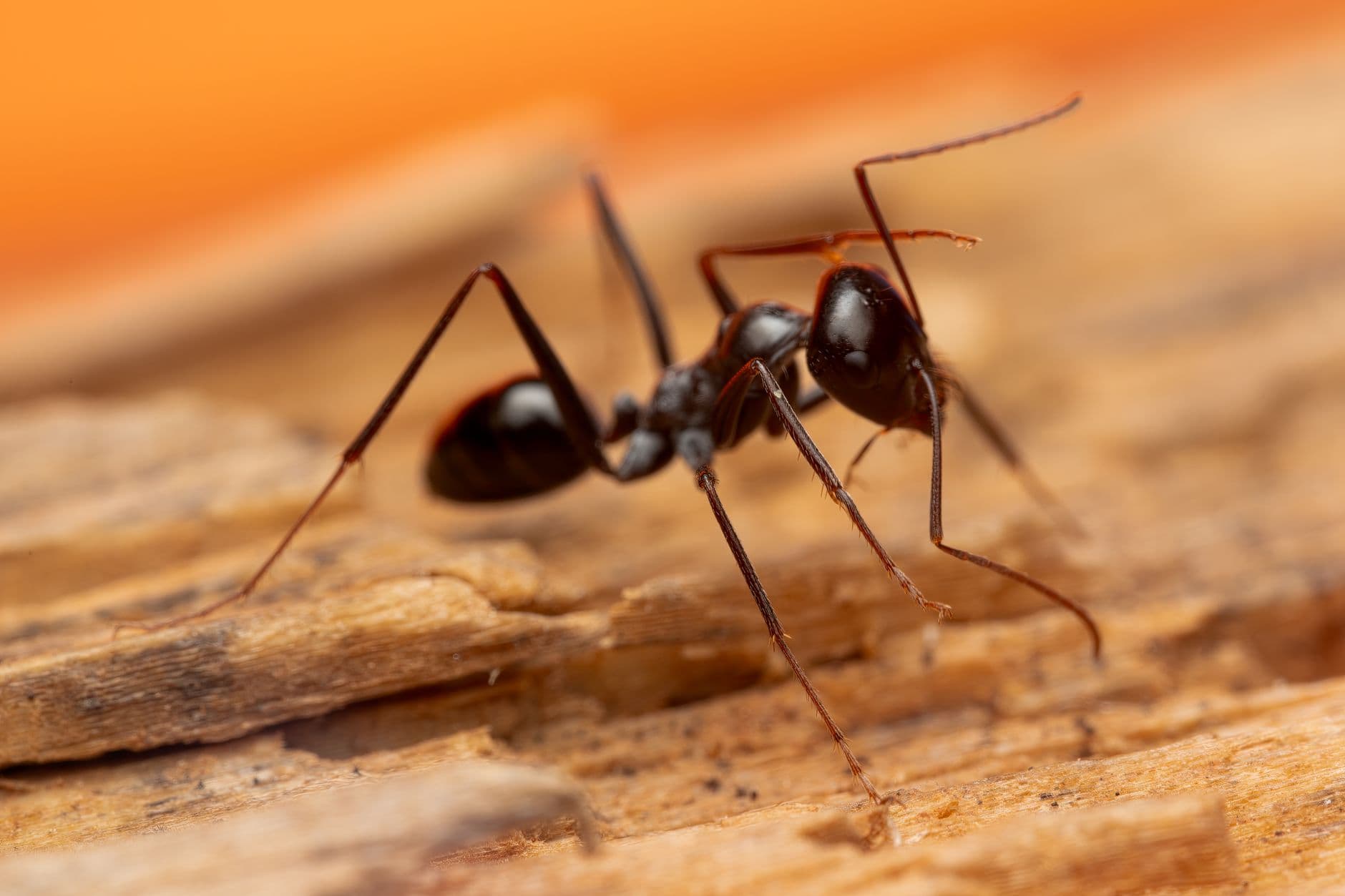
Ant Control in Southern Maryland & Northern Virginia
Stop Ant Problems at the Source — Without Unnecessary Indoor Spraying
Free & no obligation · By appointment · Southern MD & Northern VA
Why it keeps happening
In Southern Maryland and Northern Virginia, most recurring ant problems are caused by exterior colonies and access points rather than ants living inside the home.
The real question
Why do ants keep coming back even after spraying?
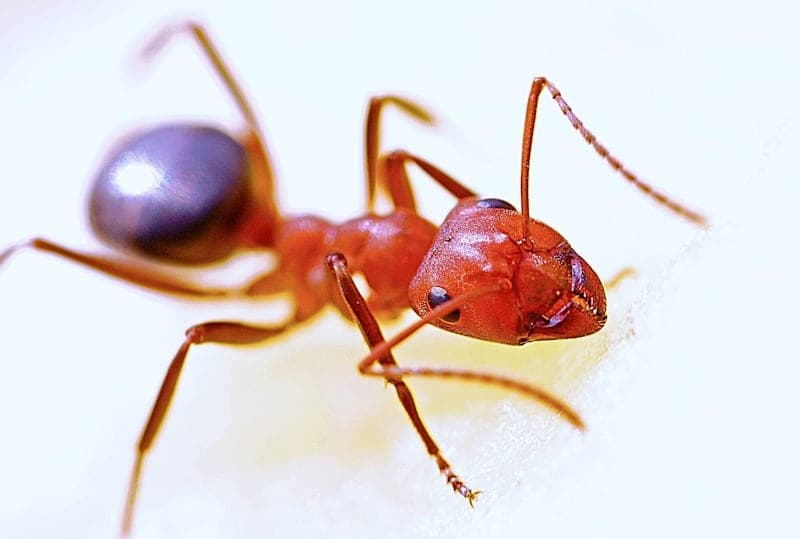
Ants usually return because the colony is located outside the home, not inside it. Indoor sprays may reduce visible ants temporarily, but they do not affect exterior nesting areas or the access points ants use to get inside. Effective ant control focuses on identifying outdoor colonies, limiting entry, and using targeted exterior treatments to stop ants before they enter the home.
Not sure what you’re seeing? An inspection tells you exactly what’s going on.
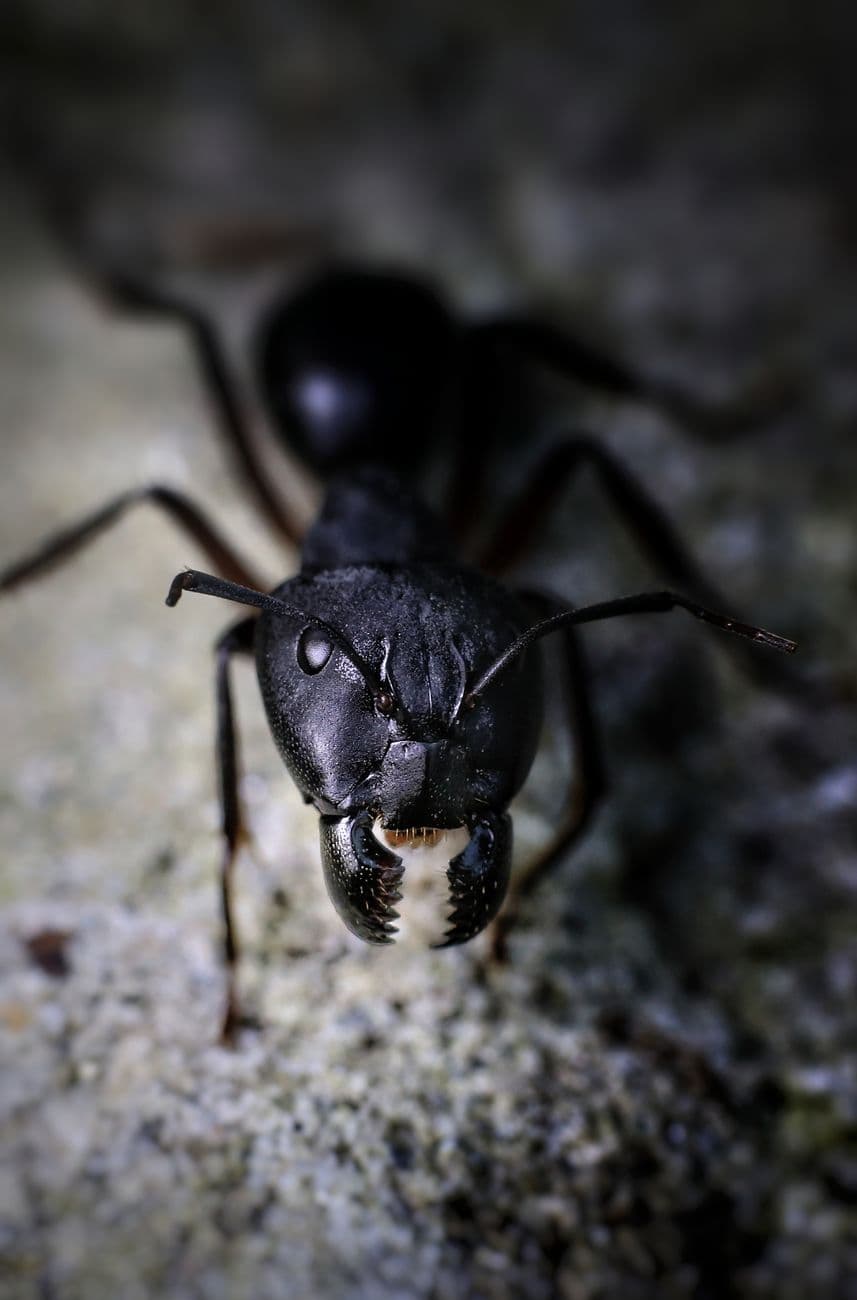
Exterior-first approach
Most indoor ant trails lead back to a colony living outside.
What Homeowners Are Seeing
Most homeowners contact us after experiencing one or more of the following:
- Ants appearing in kitchens, bathrooms, or along baseboards
- Trails of ants near windows, doors, or plumbing areas
- Ant activity that increases after rain or warm weather
- Ants disappearing briefly after spraying, then returning
- The same ant problem every spring or summer
These signs almost always point to an exterior ant issue, not an indoor one.
Why Ant Problems Keep Returning
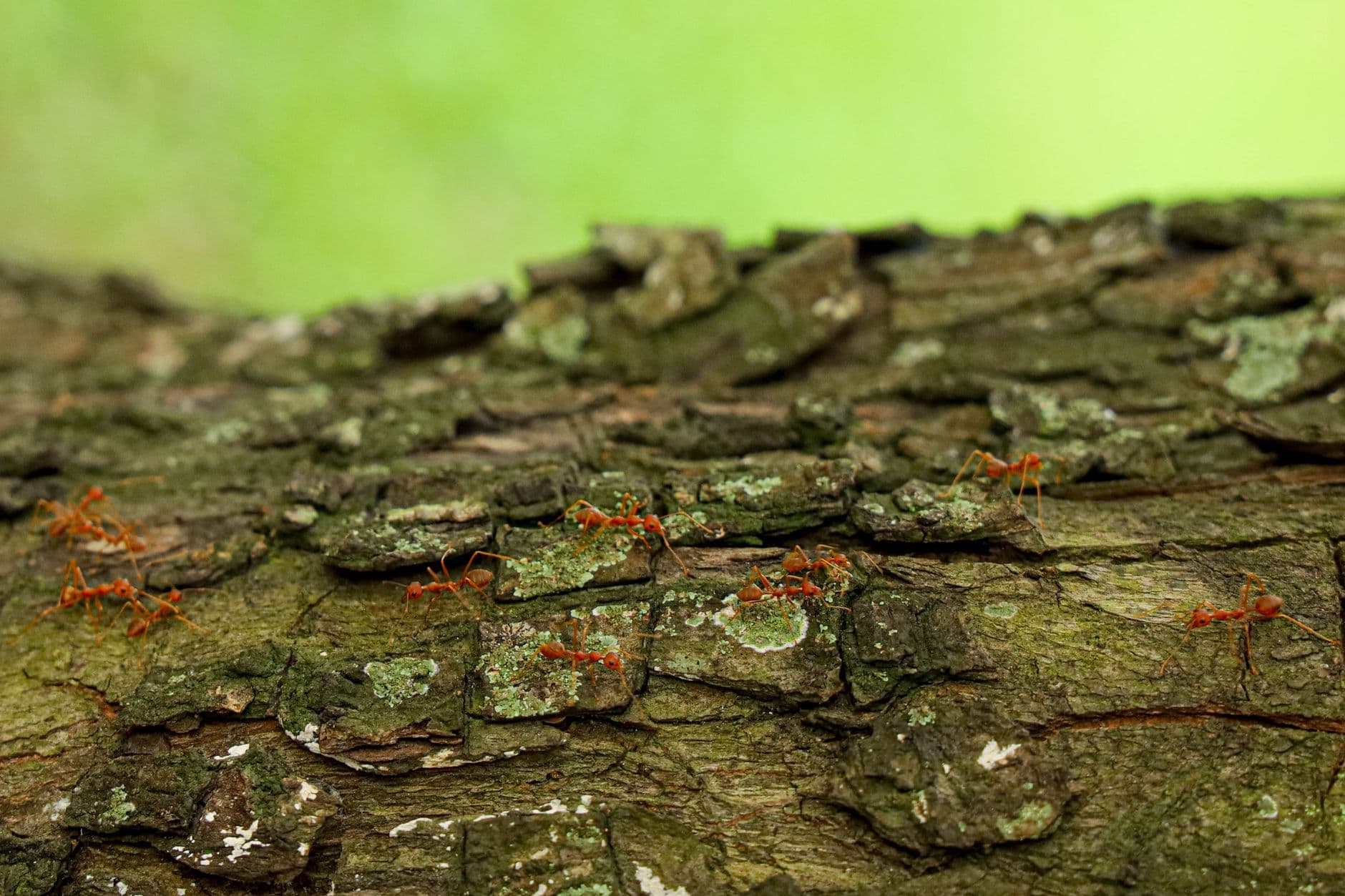
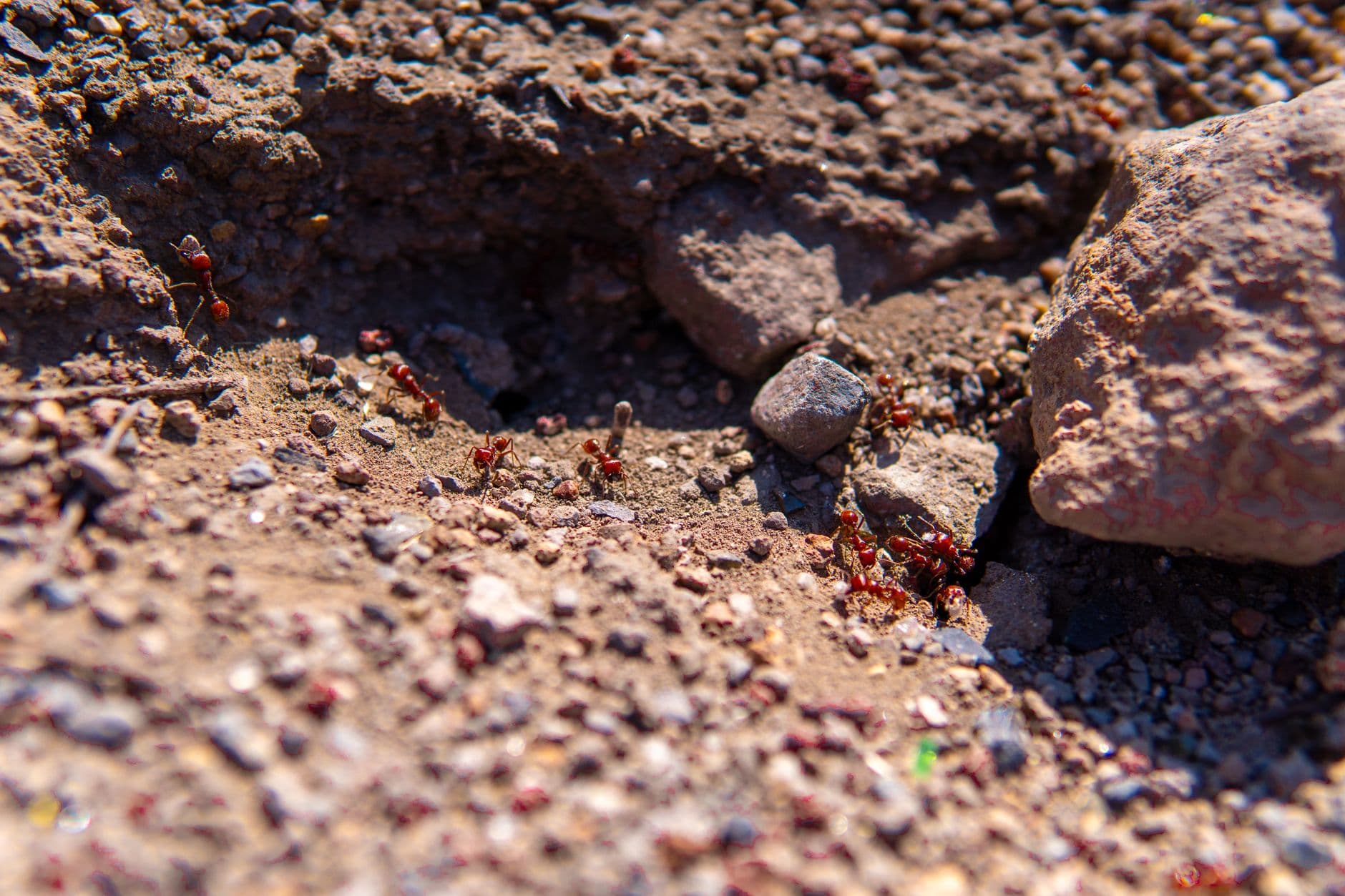
Most recurring ant problems are not indoor issues — they are exterior nesting and access problems.
Ant colonies commonly live:
- In soil along foundations
- In mulch beds and landscaping
- Under sidewalks, patios, and driveways
- Near moisture sources around the home
As long as the colony remains active outside and access points stay open, ants will continue to enter the home in search of food and water.
Why DIY Sprays and One-Time Treatments Fail
Store-bought sprays and one-time treatments usually target only the ants you can see. When the source isn't addressed, the problem returns — even after treatment.
Common reasons these methods fail include:
- The exterior colony is untouched
- Entry points remain open
- Indoor spraying disrupts ants temporarily but doesn't stop reproduction
- Seasonal pressure pushes ants back inside
This is why many homeowners feel like they are "always fighting ants."

Our Outside-First, Eco-Smart Ant Control Approach
We treat ant problems as an environmental and structural issue, not a reason to spray inside the home.
Our ant control process typically includes:
- Inspecting the exterior to locate nesting areas
- Identifying access points and conditions attracting ants
- Applying targeted exterior treatments only where needed
- Reducing or eliminating indoor product use
- Monitoring activity and adjusting with the seasons
This approach uses less product, focuses on prevention, and delivers longer-lasting results.
Why This Matters for Homes in Southern Maryland & Northern Virginia
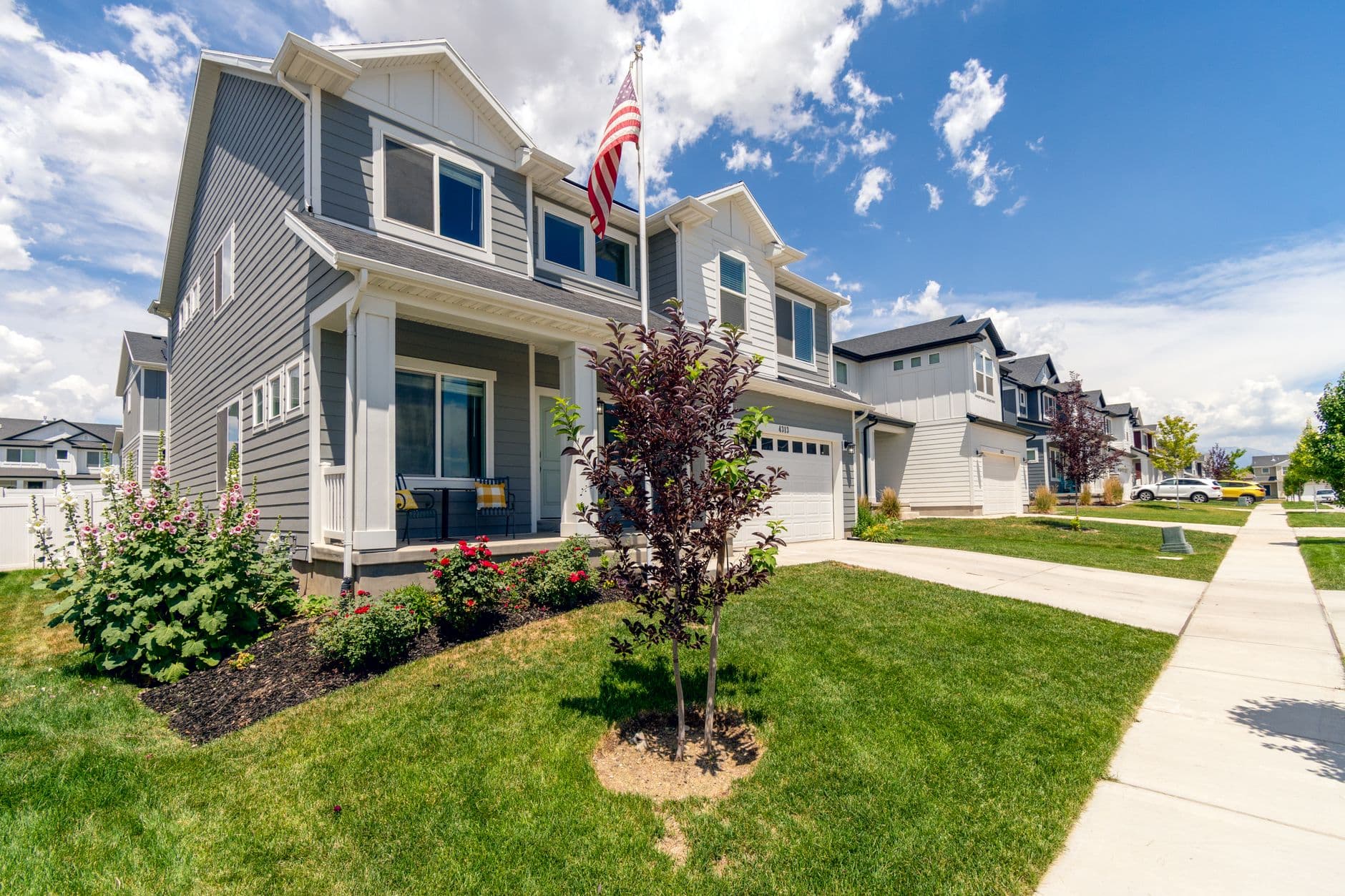
In Southern Maryland and Northern Virginia, ant activity increases quickly once colonies establish outdoors.
If left untreated, ant problems can lead to:
- Ongoing stress and frustration
- Repeated spending on temporary fixes
- Food contamination
- Potential structural concerns with certain ant species
Stopping ants early — and at the source — protects both comfort and peace of mind.
What Type of Ant Control Works Best?
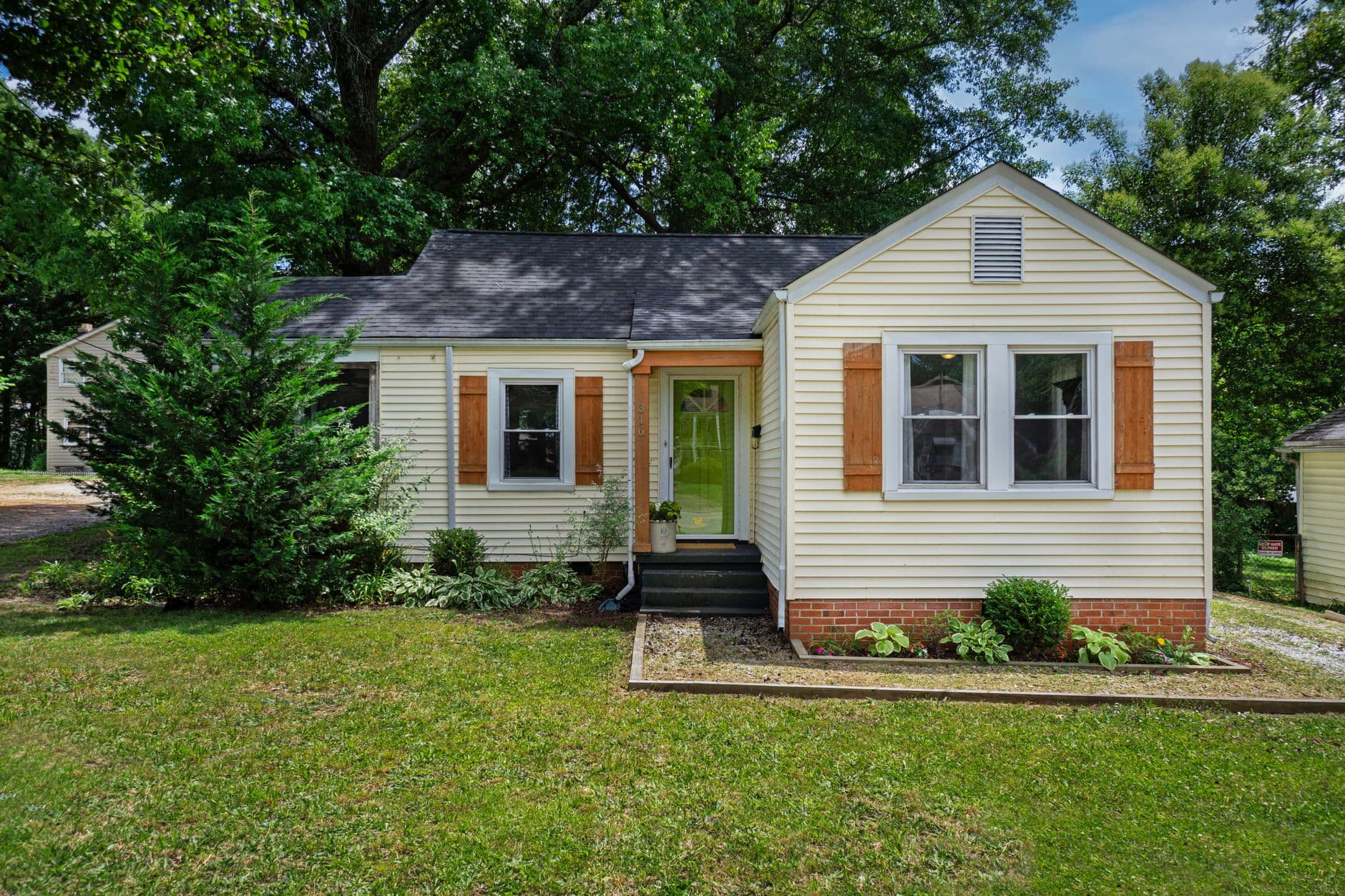
For recurring ant activity, ongoing exterior protection is typically more effective than one-time treatments.
Exterior-focused service works because it:
- Interrupts ant foraging patterns
- Reduces colony pressure over time
- Adapts to weather and seasonal changes
- Helps prevent reinfestation before it starts
This strategy is calmer, cleaner, and more reliable than reactive indoor spraying.
Recommended Ant Control Services
Most ant problems are best addressed with seasonal or year-round exterior pest protection, depending on activity level and property conditions.
These services focus on:
- Exterior barrier protection
- Targeted treatments instead of blanket spraying
- Ongoing monitoring and adjustment
- Long-term prevention rather than short-term relief
A professional inspection determines the appropriate level of protection.

Reviews
Hear From Our Happy Customers
Hundreds of Google reviews across our verified service locations.
Excellent on Google
Josh F.
Google review · Sep 2026
Alex was great! Very professional and explained the whole process before doing any work. We had a wasp nest in our wall, getting in through a seam between our brick and siding. I thought it would be a costly problem, but it was taken care of in about 15 minutes.
Amy B.
Google review · Sep 2026
I am very pleased with the work of Planet Friendly Pest Control. I had a large wasp nest in the garage and they came out to treat it the same day! The process was clear and professional. I was told the price when I called and they didn't try to upsell me on a monthly or quarterly contract. As mentioned above, they came out the same day I called and they texted me when they were on their way. They treated the nest and then came back a week later to confirm it was taken care of and removed the nest. It's now been a couple of weeks since the initial visit and no sign of new wasps! I would not hesitate to use them again.
Cheryl P.
Google review · Aug 2026
Tech was very nice, explained what the chemical is designed to do.
Patrick H.
Google review · Jul 2026
I want to sincerely thank Planet Friendly Pest Control and its owner, Gene Wright, for their immediate response and action to deal with a hive of Bald Face Hornets who, unbeknownst to me, had taken home in a fair size shrub at the back of my house. As I attempted to trim the shrub, I was swarmed by Hornets and stung 8 or 9 times before I could get to safety. I left my tractor and tools in a hurry and was afraid to retrieve them until the bee issue was addressed. Again, PFPC responded quickly and allowed me to get my tools and continue my recovery from the bee stings. I considered the price to be very fair for the treatment of the issue at hand and the sharing of knowledge to avoid further such mishaps. I will only call PFPC when in need of pest control.
Betty E.
Google review · Jul 2026
Roger came out and killed hornets in large nest on our house. It was taken care of the day after I called for service.
Ken C.
Google review · Jun 2026
Planet Friendly has been doing our pest control for several years now. They are reliable, and perform a great service for us. We are notified by email when the appointment is confirmed. They are always professional and knowledgeable.
Nikole R.
Google review · Jun 2026
Really appreciate Roger coming out to the house to not only treat for common insects that like to make their way into the house (regularly scheduled maintenance), but also exterminate a hornet nest we found on our deck this last week. Great service, arrives on schedule (and sends a text with arrival time when he’s on his way), and most importantly - no critters coming inside my house - or hornets potentially stinging us. Recommend Planet Friendly Pest Control to anyone looking for an exterminator.
Kathleen M.
Google review · Jun 2026
Great service. No bugs in the house! They quietly and quickly get the job done, no hastle.
San D.
Google review · Jun 2026
Roger was very kind and professional. He did an excellent job attending to areas of the exterior of our home that required extra attention.
Patti W.
Google review · Jun 2026
Gene Wright came highly recommended by multiple neighbors. He came out the same day I called and showed great knowledge about our mouse problem! Gene was responsible, knowledgeable and a delight to deal with. We highly recommend Planet Friendly Pest Control.
Denise A.
Google review · Apr 2026
This is my third year using Planet Friendly to control ants in my home. I have yet to see an ant. What a relief. This is a real necessity where I live. Thank you.


Frequently Asked Questions About Ant Control
In most cases, no. Because ant colonies are located outdoors, interior spraying is usually unnecessary and does not solve the root problem.
Yes. Treatments focus on exterior areas and targeted placement, which helps minimize indoor exposure for children and pets.
Many homeowners notice reduced activity within a few days. Continued improvement occurs as exterior pressure is brought under control.
Ants can return if exterior conditions change, which is why ongoing exterior protection is more effective than one-time treatments.
Ant activity typically increases in spring and summer, especially after rain or temperature changes.
Costs vary based on property conditions and activity level. A professional inspection helps determine the most appropriate option.
Yes. Carpenter ants require a more detailed inspection due to their nesting behavior and potential structural impact.
Trusted locally
Local Experience You Can Trust
Planet Friendly Pest Control serves Southern Maryland and Northern Virginia with inspection-first, outside-focused pest management designed to protect homes, families, and pets with minimal product use.
Owner Gene Wright has solved local pest problems since 1998.
- Licensed in MarylandLicense #31162
- Licensed in VirginiaLicense #13372
- A+ BBB ratingNot BBB accredited
- MSPCA memberMaryland State Pest Control Association
- NPMA memberNational Pest Management Association
People Also Ask About Ant Control
Sprays only kill the ants you see, not the colony outside. New ants quickly replace them.
Read the full article: Why do ants keep coming back after I spray them?Food crumbs, moisture, and easy entry points attract ants. Even clean homes can have ant problems.
Read the full article: What attracts ants into my home?Most ants nest outdoors and enter through cracks or gaps. Walls are usually just travel paths.
Read the full article: Are ants coming from inside my walls?No, ants are attracted to opportunity, not cleanliness. One food source is enough to draw them in.
Read the full article: Do ants mean my house is dirty?Yes, warmer weather increases ant activity and nesting. Spring and summer are peak seasons.
Read the full article: Are ants worse in spring and summer?Some species, like carpenter ants, can damage wood. Others are more of a nuisance.
Read the full article: Can ants cause damage to my home?Ants can quickly find food and leave scent trails. Once they do, others follow fast.
Read the full article: Why do ants suddenly appear overnight?Rarely. As long as the colony survives, ants will keep returning.
Read the full article: Do ants go away on their own?Safety & Health Concerns
Most ants aren't dangerous, but they can contaminate food. Some species can bite or sting.
Read the full article: Are ants dangerous to people?Ants are usually not harmful to pets. Stinging ants can cause irritation if disturbed.
Read the full article: Are ants harmful to pets?Yes, ants can carry bacteria from unsanitary areas onto food surfaces. This is why kitchen ants are a concern.
Read the full article: Can ants spread bacteria?Professional treatments are designed to be used safely. We focus on targeted exterior applications.
Read the full article: Are ant treatments safe for families?Yes, especially around food prep areas. Ants can contaminate surfaces quickly.
Read the full article: Should I worry about ants in my kitchen?Overuse of sprays can be unnecessary and ineffective. Exterior control reduces the need for indoor products.
Read the full article: Can ant sprays be harmful indoors?Ants don't typically cause allergies. Bites or stings can cause irritation in some people.
Read the full article: Do ants trigger allergies?Yes, carpenter ants can damage wood structures. They require professional evaluation.
Read the full article: Are carpenter ants more dangerous than other ants?How Professional Ant Control Works
It targets nests, entry points, and conditions outside the home. This stops ants at the source.
Read the full article: How does professional ant control work?Most treatments focus on the exterior. Indoor treatments are used only if needed.
Read the full article: Do you treat inside the house for ants?Most homeowners see improvement quickly. Full control depends on colony size and conditions.
Read the full article: How long does it take to stop ants?Different ants require different approaches. Inspection ensures the right solution.
Read the full article: Why is inspection important for ant control?They can if conditions change. Ongoing protection helps prevent this.
Read the full article: Can ants come back after treatment?The goal is to eliminate or disrupt the colony. This prevents continued indoor activity.
Read the full article: Do you eliminate the entire ant colony?Professionals treat the source, not just symptoms. DIY products rarely reach the colony.
Read the full article: What makes professional control better than DIY?In most cases, yes. Exterior-first control prevents indoor problems.
Read the full article: Is exterior treatment really enough?Timing, Cost & Expectations
At the first sign of repeat activity. Early action prevents larger infestations.
Read the full article: When should I call for ant control?Most inspections take less than an hour. Larger properties may take longer.
Read the full article: How long does an ant inspection take?Seasonal treatments last through peak activity. Year-round plans provide ongoing protection.
Read the full article: How long does ant treatment last?Cost depends on severity and service level. Inspection helps determine the best option.
Read the full article: Is ant control expensive?Homes with repeat issues benefit from ongoing service. It helps stop ants before they enter.
Read the full article: Do I need ongoing ant protection?Seal entry points and reduce food sources. Exterior protection does the rest.
Read the full article: What can I do to help prevent ants?
Free & no obligation
Ready to Schedule an Ant Inspection?
Ant problems typically occur when colonies nest outdoors and ants enter homes through small gaps while foraging for food and moisture. In Southern Maryland and Northern Virginia, warm weather and rainfall increase ant activity around foundations and landscaping. Effective ant control focuses on identifying exterior nesting areas, limiting access points, and applying targeted outdoor treatments rather than relying on indoor sprays alone.
If a covered pest returns while the customer's service is active, Planet Friendly Pest Control will return and address the problem at no additional charge.
- Free initial inspection
- No long-term contracts