Select Page

Pest Control in Northern Virginia for Homes With Pets

(And What Actually Stops Them Long-Term)
Get Your Inspection Today

In Northern Virginia, most pest problems begin outside the home before activity is noticed indoors. Wooded neighborhoods, mature landscaping, dense suburban development, and seasonal moisture create conditions where ants, rodents, ticks, spiders, and mosquitoes naturally live around residential properties. Effective pest control in Northern Virginia begins with a careful exterior inspection that identifies where pest activity starts and what environmental conditions are supporting it. For homes with pets, the most practical approach focuses on inspection-driven pest protection that addresses outdoor conditions first and uses targeted treatments only when necessary.


Understanding Pest Activity Around Northern Virginia Homes


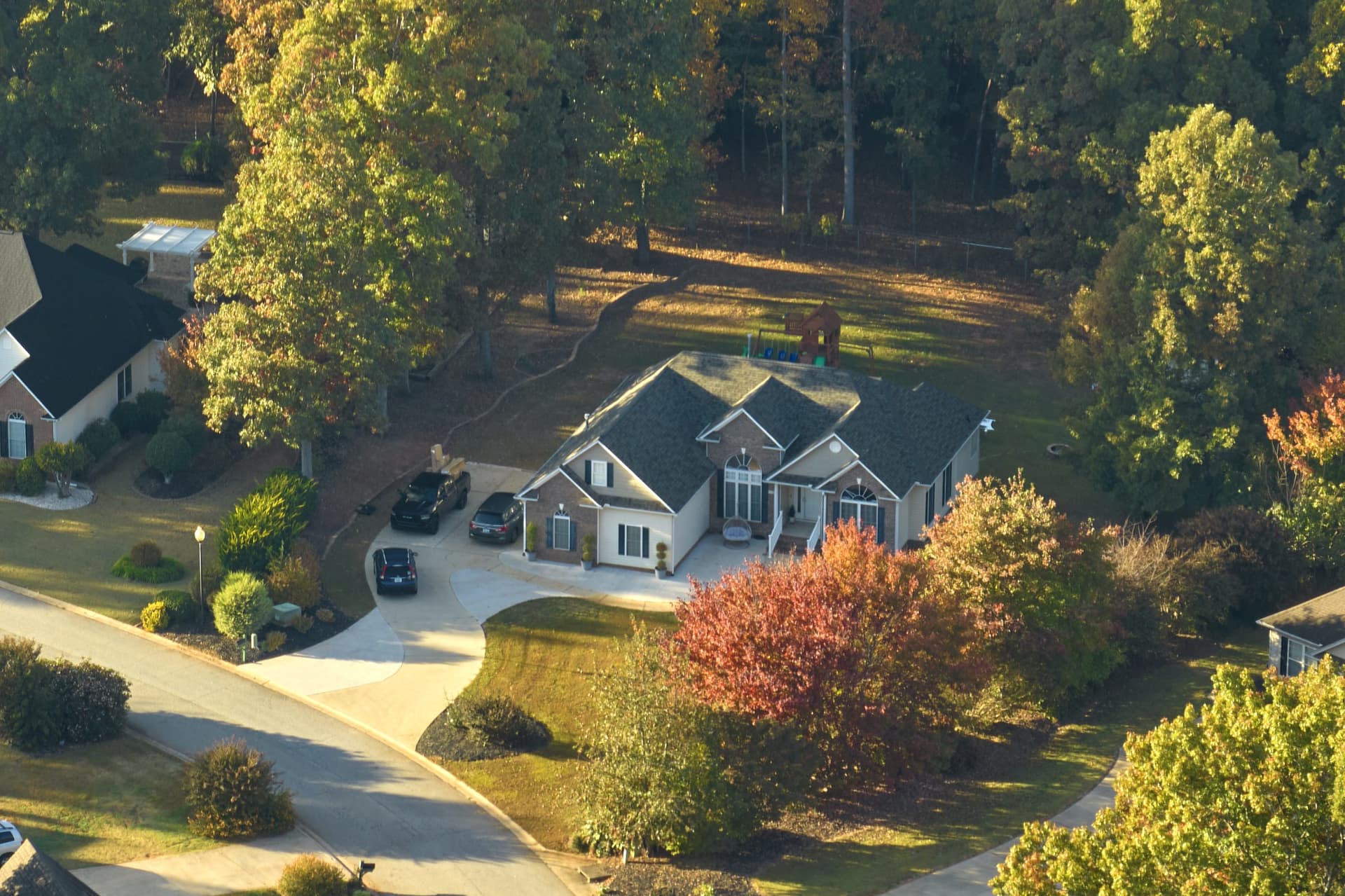
Northern Virginia’s landscape is shaped by wooded neighborhoods, mature trees, suburban landscaping, and dense residential development. Homes throughout the region often sit near tree lines, green spaces, parks, and community walking trails that provide natural habitat for many pests.

These environments support insects and animals that typically live outdoors but may eventually move closer to homes. Ants build colonies in soil and mulch beds, rodents travel along foundation edges and wooded property lines, ticks remain active in shaded vegetation, and mosquitoes develop in standing water found in landscaped yards and drainage areas.

Seasonal climate also influences pest behavior. Warm humid summers support insect development, while fall temperature changes often encourage rodents and spiders to move closer to structures in search of shelter.

Many Northern Virginia homes include crawlspaces, basements, patios, decks, retaining walls, and landscaped foundation beds that create transition zones between the outdoor environment and the structure itself. These areas often become the starting point for pest activity that later appears indoors.

Understanding how these environmental conditions influence pest behavior helps explain why pest problems in Northern Virginia often begin outside the home.


Regional Pest Behavior Patterns


Across Northern Virginia communities, pest activity tends to follow consistent environmental patterns.

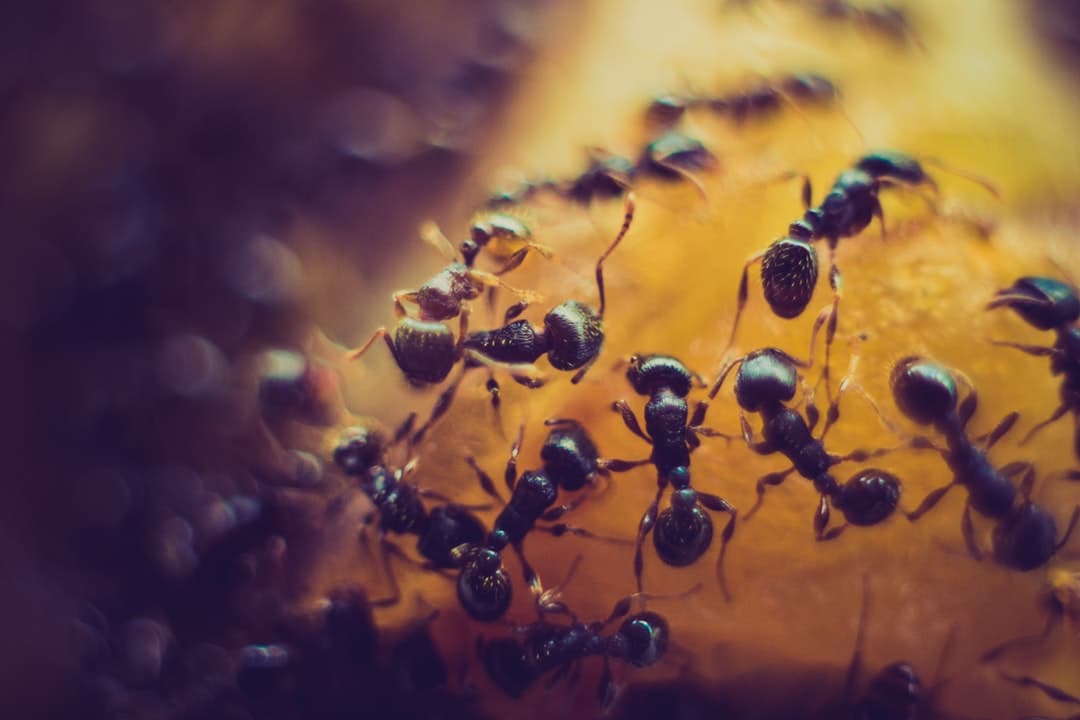
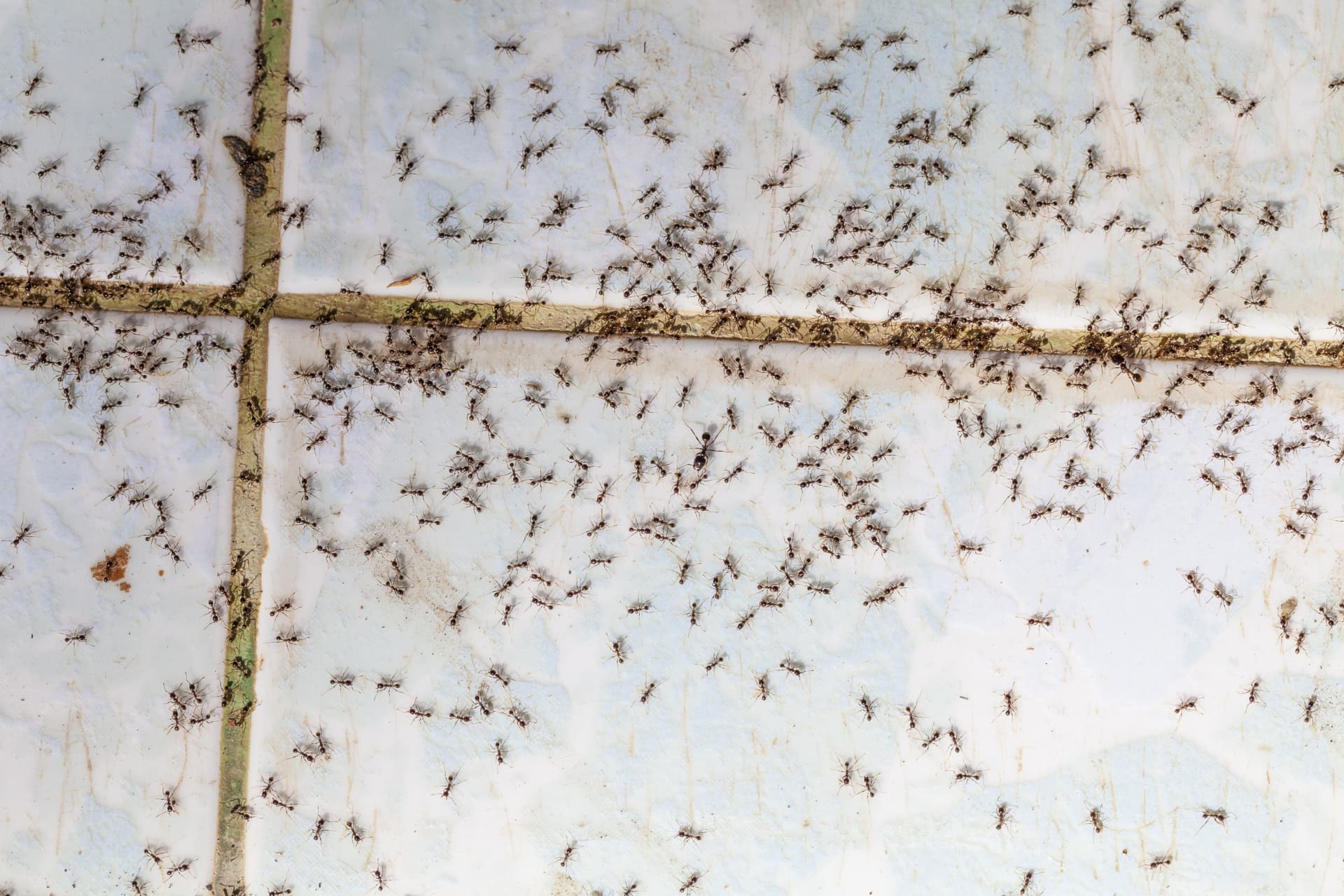
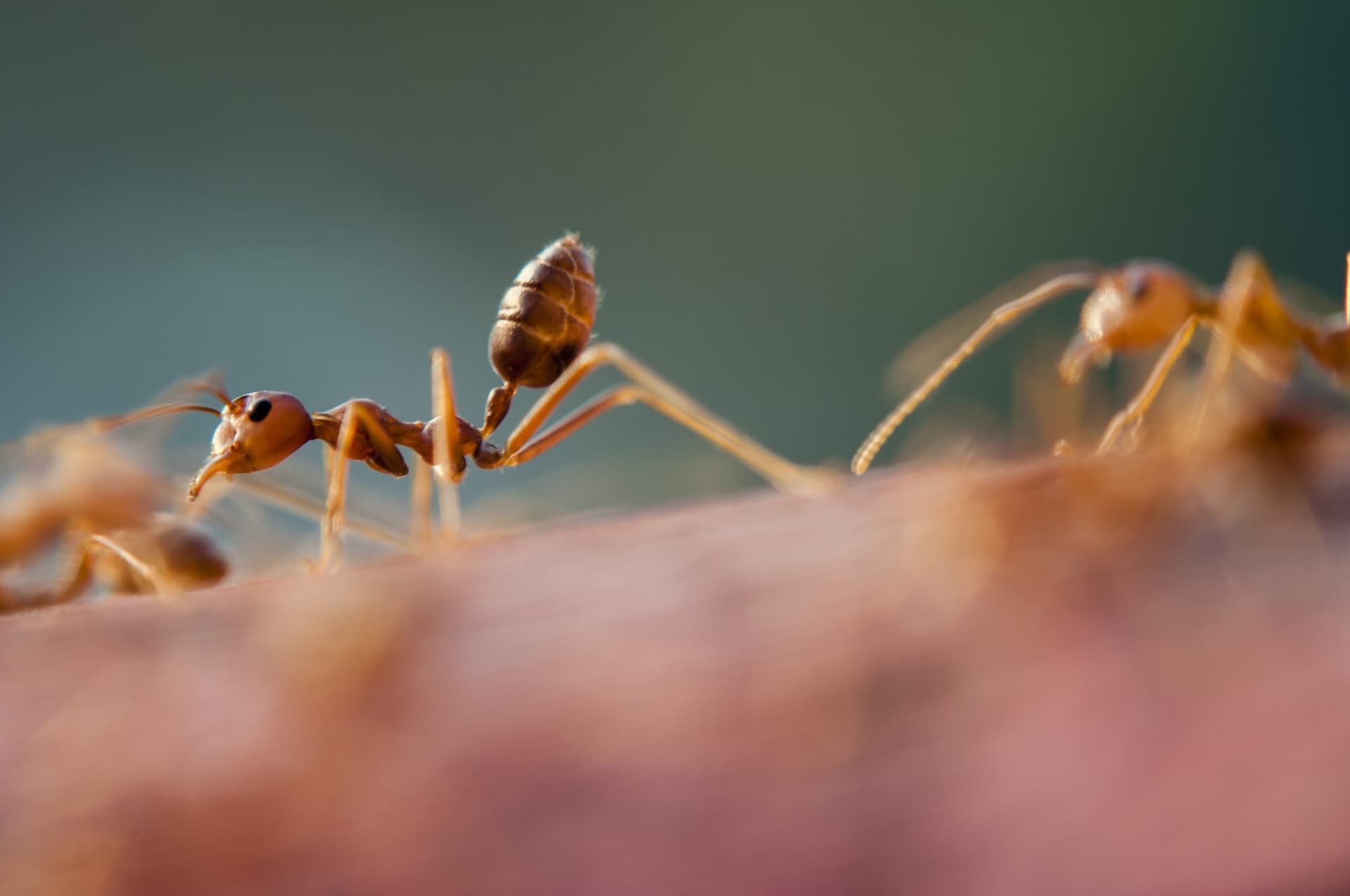
Ant colonies commonly develop in soil and mulch beds along foundations where moisture and organic material support nesting. Rodents frequently nest outdoors beneath decks, in landscaping, or along wooded property edges before entering crawlspaces or attic spaces.

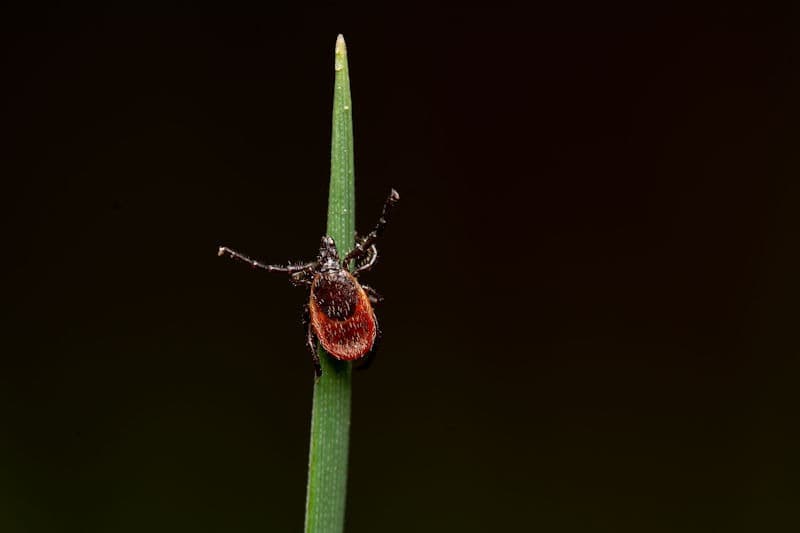
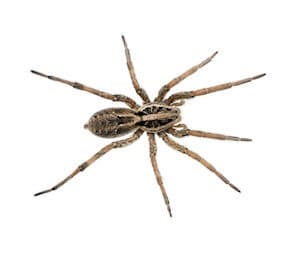
Ticks are commonly found along wooded property boundaries and shaded lawn transitions where deer and small wildlife move through residential landscapes. Spiders often gather near porch lighting and exterior entryways because flying insects are naturally attracted to these areas.

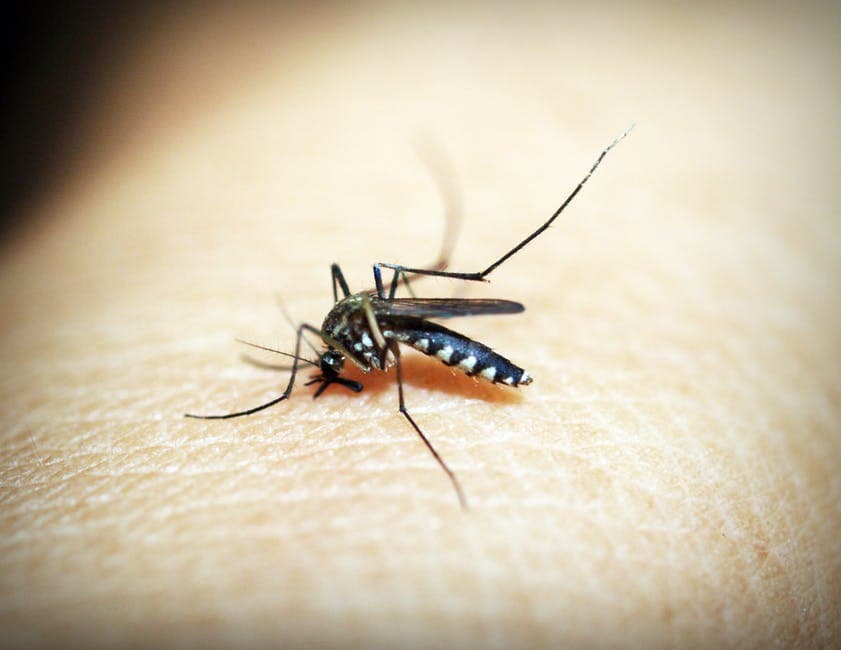
Mosquito activity frequently develops around shaded vegetation and areas where water collects after rain, including clogged gutters, yard drainage zones, and landscape containers.

These observations reflect a common pattern seen during inspections across Northern Virginia: the pest that appears indoors is often responding to conditions developing outside the home.


Common Pest Conditions in Northern Virginia


Landscaping and Foundation Moisture

Many Northern Virginia homes include landscaping beds placed close to the foundation. Mulch, irrigation, and shaded soil can retain moisture and create ideal nesting conditions for ants and other insects. Over time, these environments allow pest populations to develop near the structure.

Wooded Property Edges

Numerous Northern Virginia neighborhoods border wooded areas, greenbelts, and natural buffers. These wooded environments provide habitat for rodents, ticks, and other pests that naturally move between forested areas and residential yards.

Seasonal Pest Movement

Seasonal changes influence how pests interact with homes. During warmer months, insect activity increases as populations expand. In the fall, rodents and spiders often begin moving closer to structures as outdoor conditions become less favorable.

Exterior Lighting and Flying Insects

Exterior lighting attracts flying insects at night, which in turn attracts spiders and other predators. Porch lights, garage lighting, and entryway fixtures frequently become gathering points for insect activity.


Local Expertise Observations


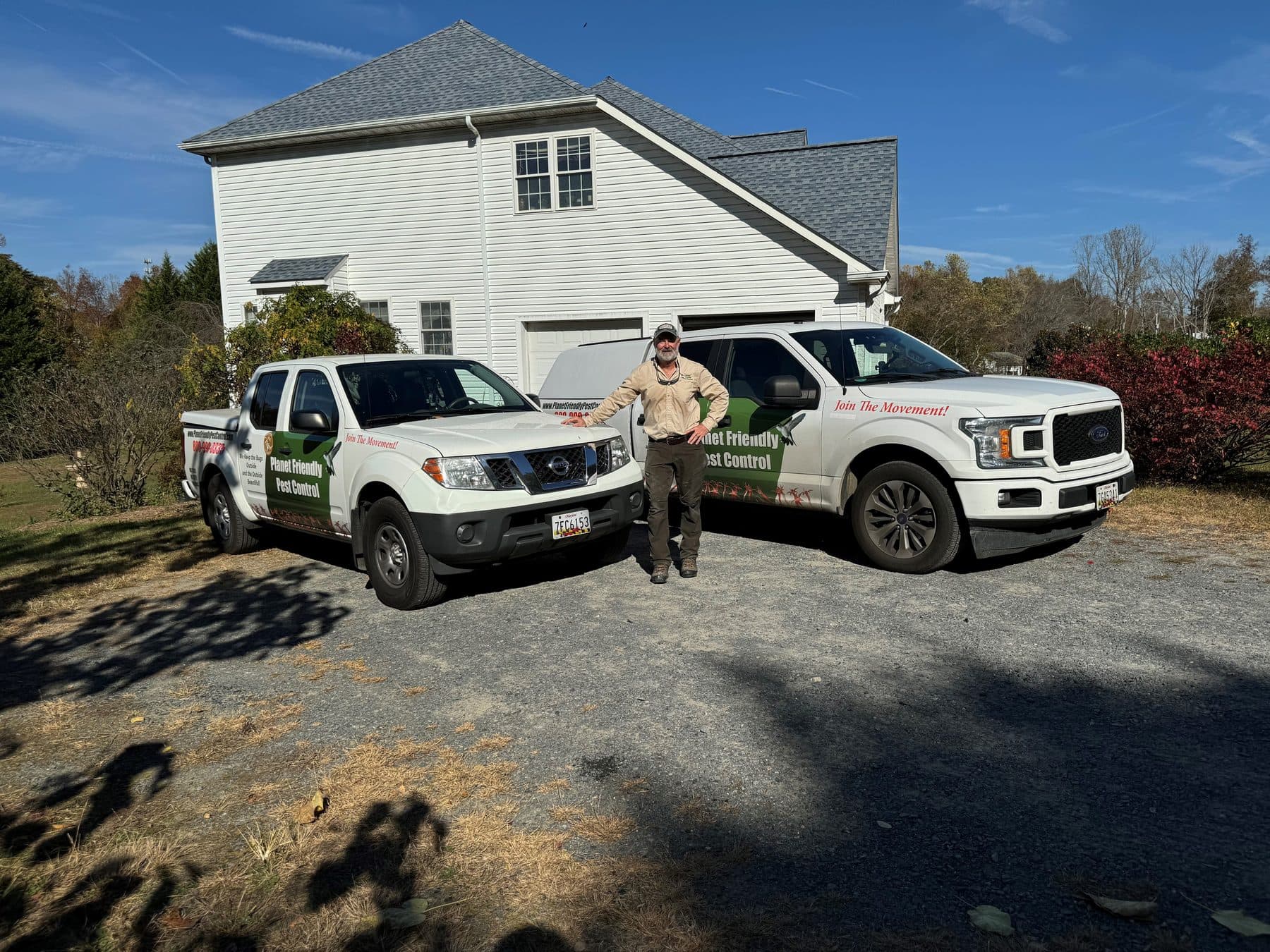
During inspections across Northern Virginia homes, Planet Friendly Pest Control technicians frequently see pest activity developing in outdoor environments surrounding the structure.

In Fairfax County communities such as Vienna, Reston, and Burke, ant colonies are commonly found beneath mulch beds along foundations where soil moisture and organic material support nesting activity.

Across Loudoun County neighborhoods including Ashburn, Leesburg, and Sterling, wooded property edges and larger suburban lots often support tick activity along lawn-to-woods transitions.

In Prince William County communities like Manassas, Gainesville, and Woodbridge, rodent activity frequently begins around garage perimeters, outdoor storage areas, and crawlspace entry points.

In Arlington and Alexandria, dense residential neighborhoods with mature landscaping often create hidden soil and hardscape edges where ants and occasional invaders travel along foundation cracks and masonry joints.

These inspection observations reinforce an important pattern: the conditions supporting pest activity usually begin outside the home.


Regional Pest Pattern Table


Pest Common Source Where Activity Begins
Ants Soil and mulch beds Around foundations and landscaping
Rodents Outdoor burrows and wooded edges Crawlspaces, garages, attic entry points
Ticks Leaf litter and wooded property lines Lawn-to-woods transitions
Spiders Flying insects near lighting Porches, soffits, entryways
Mosquitoes Standing water and shaded vegetation Yard drainage areas and low spots


How Planet Friendly Pest Control Approaches Homes in Northern Virginia


Planet Friendly Pest Control approaches pest protection with the understanding that most pest problems begin outside the home.

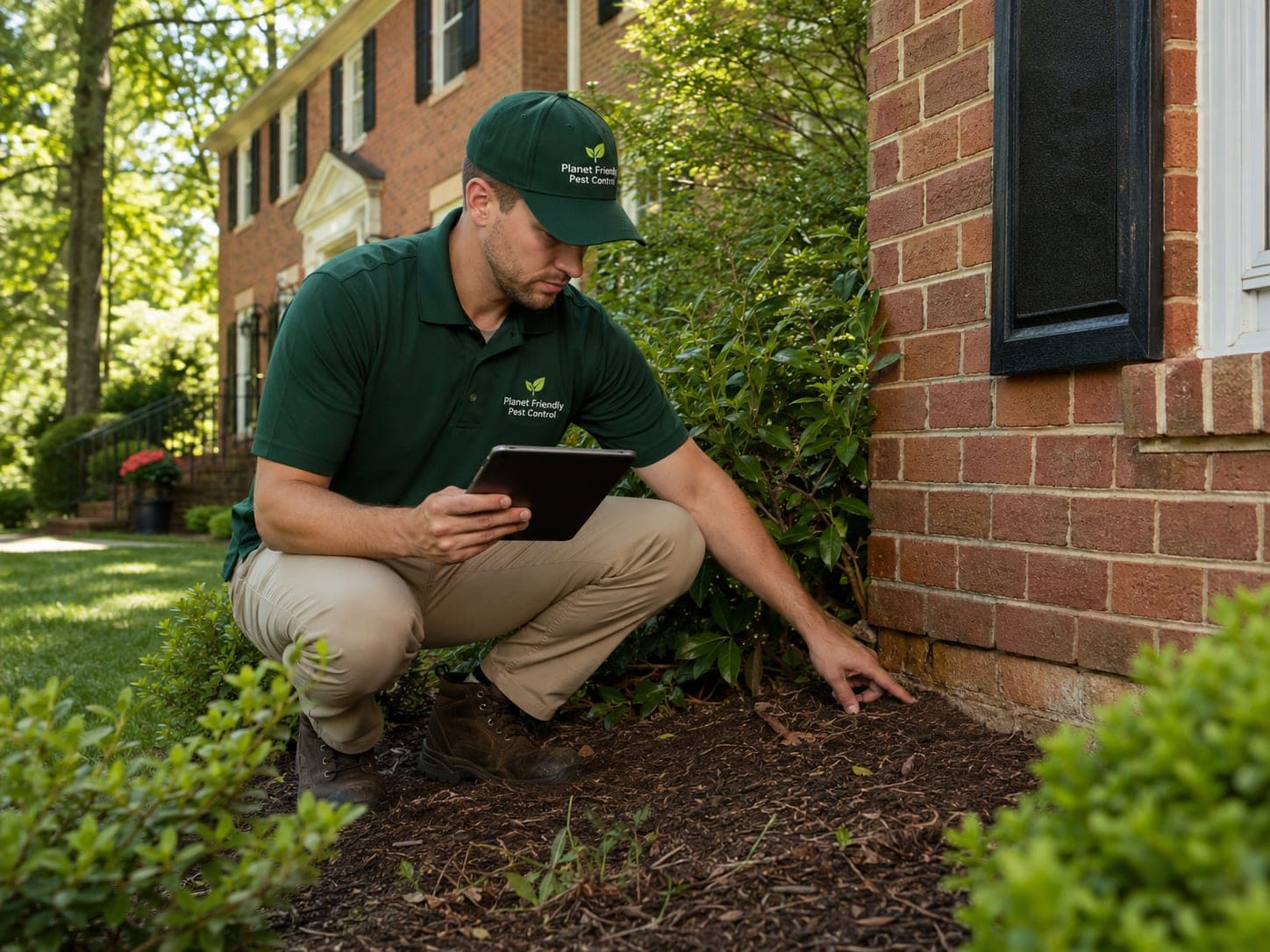
Technicians begin with a careful exterior inspection to evaluate landscaping conditions, foundation areas, drainage patterns, potential entry points, and surrounding environmental factors. These observations help identify where pest activity is developing and what conditions are supporting it.

When treatment is necessary, the goal is to use targeted solutions that address the source of pest activity while minimizing unnecessary product use. This inspection-driven approach focuses on correcting pest-supporting conditions rather than simply reacting to visible pests.

For homes with pets, this thoughtful approach allows pest protection to remain practical while maintaining a comfortable environment for animals that spend time both indoors and outdoors.


Northern Virginia Service Area


Planet Friendly Pest Control provides pest protection throughout Northern Virginia and surrounding aeas including:

Fairfax County

  • Central and Northern Fairfax County
    • Fairfax
    • Vienna
    • Reston
    • Herndon
    • Burke
    • McLean
    Fort Hunt / Mount Vernon Area
    • Fort Hunt
    • Mount Vernon
    • Hybla Valley
    • Belle Haven
    • Groveton
    • Hollin Hills
    • Waynewood
    Alexandria Area (Fairfax County Side)
    • Alexandria (Fairfax County portion)
    • Franconia
    • Rose Hill
    • Huntington
    • Kingstowne
    • Hayfield

Loudoun County

  • Ashburn
  • Leesburg
  • Sterling
  • South Riding

Prince William County

  • Manassas
  • Gainesville
  • Woodbridge
  • Haymarket

Arlington County

  • Arlington

City of Alexandria

  • Alexandria

  • Old Town Alexandria

  • Del Ray

  • Rosemont

  • West End Alexandria

These counties form the core Northern Virginia service area where Planet Friendly Pest Control provides inspection-driven pest protection for homes with pets.


Helpful Local Guides


Safe Pest Control for Children and Pets in Northern Virginia and Southern Maryland

How Often Do You Really Need Pest Control in Southern Maryland and Northern Virginia

How Do You Get Rid of Rodents in Southern Maryland and Northern Virginia

A Simple Guide to Controlling Ants in Your Northern Virginia Home

Tick Control How to Control Yard Ticks in Virginia and Maryland

What Attracts Spiders to My Maryland and Virginia Home


Frequently Asked Questions


Common Pest Problems


Why are ants common around Northern Virginia homes?

Ant colonies often develop in soil and mulch beds around foundations where moisture and organic material support nesting. Many Northern Virginia neighborhoods include mature landscaping and shaded foundation beds that provide ideal conditions for colonies to form. During inspections across the region, technicians frequently find ant nests beneath mulch beds or along hardscape edges. Once established outdoors, ants may begin entering homes in search of food and water.

Why do mice enter homes during the fall in Northern Virginia?

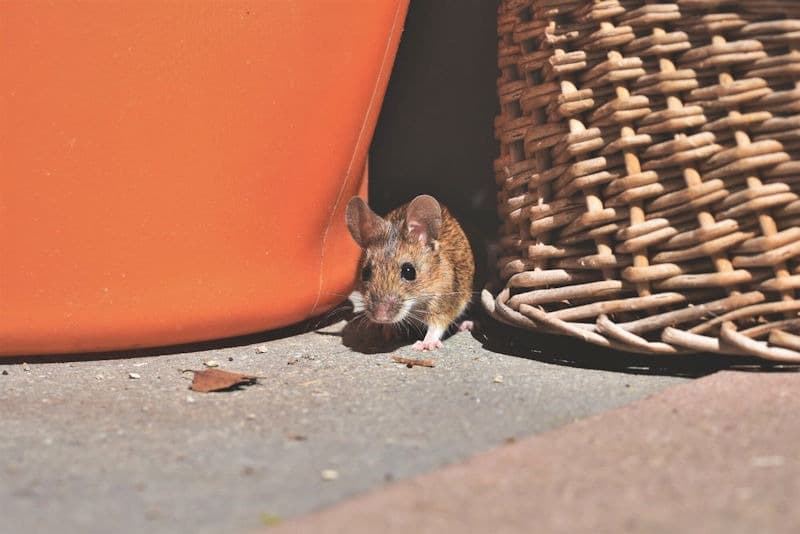
As temperatures cool in the fall, mice look for warm sheltered spaces where they can nest through the winter. Crawlspaces, garages, and attic areas provide protection from cold weather and predators. In wooded Northern Virginia neighborhoods, rodents often travel along property edges and foundation lines before entering structures through small gaps. These seasonal movements are commonly observed during fall inspections.

Why are ticks common along wooded property lines in Northern Virginia?

Ticks thrive in shaded environments where leaf litter and tall vegetation provide moisture and protection. Many Northern Virginia homes border wooded greenbelts, parks, and natural areas that support wildlife carrying ticks into residential landscapes. Lawn-to-woods transitions often become the areas where ticks are most active. Pets and people traveling through these areas can encounter ticks during warmer months.


Health and Safety Concerns for Homes With Pets


Are pest treatments safe for homes with pets?

Homes with pets benefit from a pest control approach that begins with understanding where pest activity originates. Inspection helps identify outdoor conditions that support pest populations so treatments can be applied thoughtfully and only where necessary. This helps minimize unnecessary product use around the home environment. For many households with pets, identifying and correcting pest conditions is just as important as treatment itself.

Are ticks dangerous for dogs in Northern Virginia?

Ticks can transmit diseases to both pets and people, which is why many Northern Virginia homeowners monitor tick activity around their property. Ticks are most active along wooded edges and shaded vegetation where wildlife frequently travels. Maintaining yard edges and monitoring tick habitat can help reduce exposure for pets. Inspections often focus on these outdoor transition areas.

Do rodents pose health concerns inside homes?

Rodents can contaminate surfaces with droppings and nesting materials if they establish themselves indoors. In Northern Virginia homes, rodents often begin nesting outdoors before entering crawlspaces or attic spaces. Identifying these outdoor nesting locations helps reduce the risk of interior infestations. Inspection helps locate the conditions that allow rodents to move toward the home.



How Professionals Solve Pest Problems


Why do pest professionals inspect the exterior first?

Most pest problems begin outside the home, which is why exterior inspection is an important first step. Technicians evaluate landscaping, soil conditions, entry points, and moisture patterns that support pest activity. These observations help explain why pests are appearing indoors. Understanding the exterior environment leads to more effective pest management decisions.

Why are targeted treatments more effective than blanket spraying?

Targeted treatments focus on areas where pest activity actually begins. When technicians identify nesting locations or travel routes, treatments can be applied precisely where they are needed. This approach reduces unnecessary product use and often provides longer-lasting results. Inspection helps determine which areas require attention.

Why do pest problems sometimes return after treatment?

Pest problems may return if the environmental conditions supporting them remain unchanged. Moisture around foundations, dense landscaping, structural gaps, and outdoor nesting areas can continue attracting pests. During inspections, technicians often identify these contributing factors. Addressing these conditions helps create more consistent long-term results.


Timing, Cost, and Expectations


When is pest activity highest in Northern Virginia?

Pest activity typically increases during spring and summer when insects reproduce and food sources are abundant. Ants, mosquitoes, and ticks are particularly active during warmer months. Rodents often become more noticeable in the fall when they seek shelter from cooler temperatures. Seasonal inspections often reflect these patterns.

What should homeowners expect during a pest inspection?

A pest inspection usually begins with evaluating the exterior environment around the home. Technicians examine landscaping, foundation areas, drainage patterns, and potential entry points. These observations help determine how pests are interacting with the property. The goal is to understand the environmental conditions supporting pest activity.

Can landscaping changes reduce pest activity?

In many cases, landscaping adjustments can help reduce pest activity around homes. Reducing dense vegetation near foundations, improving drainage, and managing mulch depth can limit areas where pests nest. These environmental changes are often discussed during inspections. Small landscape adjustments can sometimes significantly reduce pest pressure.


A Practical First Step for Northern Virginia Homeowners


For homeowners in Northern Virginia, the most helpful first step is understanding what is happening around the home. Pest activity often reflects environmental conditions surrounding the structure rather than a single isolated event indoors.

A careful inspection can help identify where pest activity begins and what conditions may be supporting it. Once those patterns are understood, homeowners can make informed decisions about prevention and pest protection.

Planet Friendly Pest Control works with homeowners throughout Northern Virginia to provide calm, inspection-driven pest protection designed specifically for homes with pets and the environments that surround them.

GET YOUR INSPECTION NOW

Not sure what you’re seeing? An inspection tells you exactly what’s going on.

Local Authority You Can Trust

Serving Southern Maryland and Northern Virginia since 1994, this guidance is written by professionals who specialize in inspection-first, eco-smart pest control focused on family and pet safety.

Ready to Get Answers for Your Home?

If you’re dealing with a pest problem and want clear answers — not guesswork — the next step is simple.

Schedule your Initial Site inspection or give us a call 800-990-0335
No contracts. No unnecessary spraying. Just smart, exterior-first protection.