
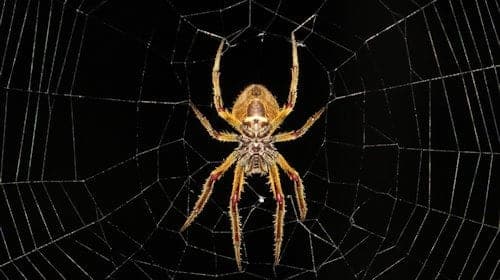
Spider Control in Southern Maryland & Northern Virginia
Reduce Spider Activity by Treating the Real Cause — Not Just the Spiders
Free & no obligation · By appointment · Southern MD & Northern VA
Why it keeps happening
In Southern Maryland and Northern Virginia, spider activity inside homes is usually driven by exterior insect populations rather than spiders nesting indoors.
The real question
Why are spiders coming into my house?
Spiders usually come inside because they are following other insects, which are their primary food source. Homes with exterior insect activity attract spiders that enter through small gaps and openings. Effective spider control focuses on reducing insects outside the home and limiting access points, rather than trying to kill spiders one by one indoors.
Not sure what you’re seeing? An inspection tells you exactly what’s going on.
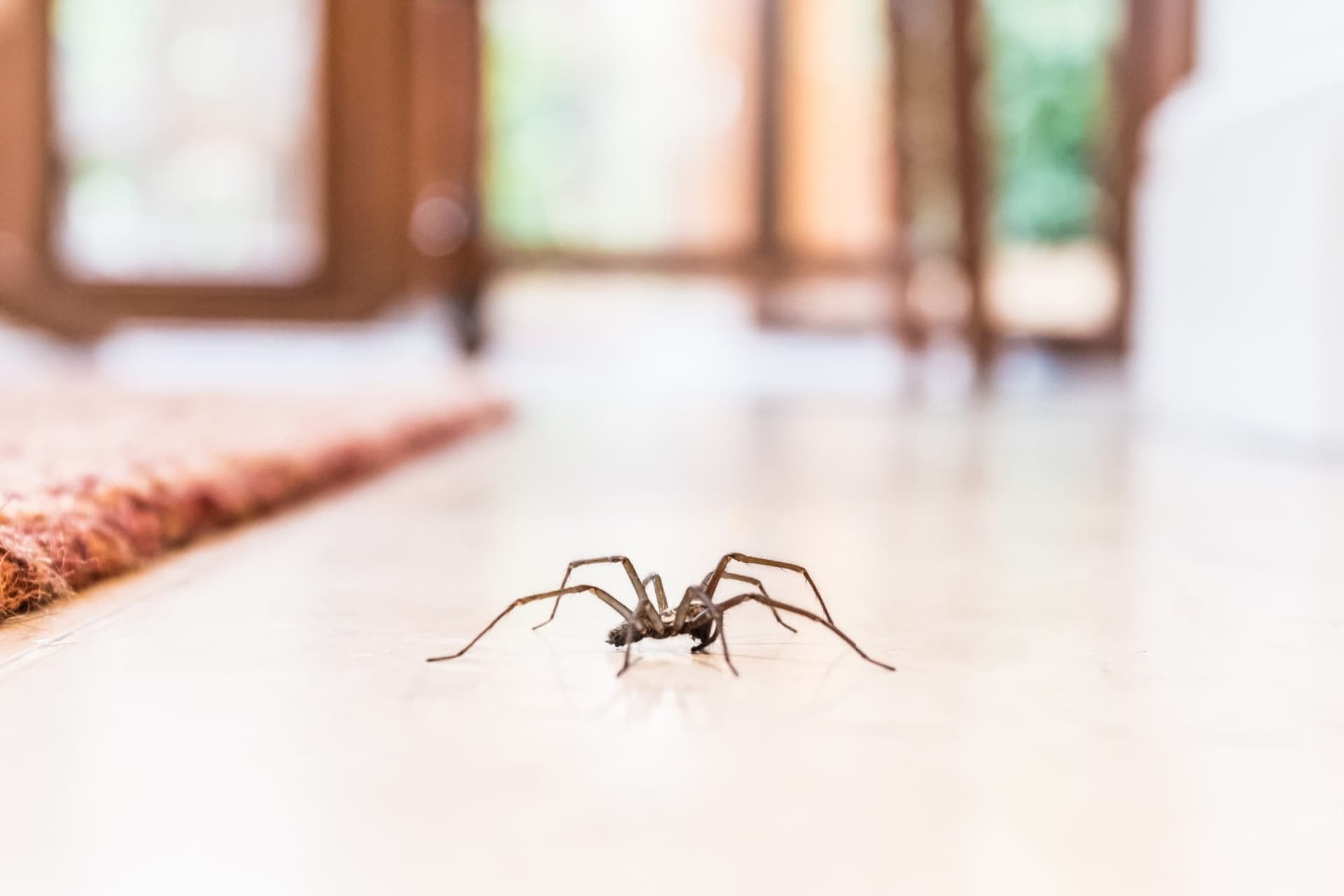
What Homeowners in Southern Maryland & Northern Virginia Are Seeing
Most homeowners contact us after noticing:
- Spiders appearing in basements, garages, or corners of rooms
- Webs forming near windows, doors, or light fixtures
- An increase in spiders during cooler weather
- Spiders returning even after being removed
- Spiders showing up despite a clean home
These signs usually indicate an underlying insect issue outside the home, not a spider-only problem.

Why Spider Problems Keep Returning
Most recurring spider problems are not indoor issues — they are exterior insect and access problems.
Spiders typically live:
- Around foundations and siding
- In mulch beds, landscaping, and woodpiles
- Near exterior lights that attract insects
- Around cracks, gaps, and entry points
As long as insects remain active outside and access points are available, spiders will continue to move indoors.
Why Killing Spiders Alone Doesn't Solve the Problem
Removing visible spiders does not stop new spiders from coming inside.
When the source isn't addressed, the problem returns — even after treatment.
This happens because:
- The insect food source is still present outdoors
- New spiders replace the ones removed
- Indoor treatments do not affect exterior conditions
- Seasonal changes drive spiders inside for shelter
Spider control works best when the entire environment is addressed.
Our Outside-First, Eco-Smart Spider Control Approach
We treat spider activity as a secondary issue caused by other pests, not something that requires routine indoor spraying.
Our approach typically includes:
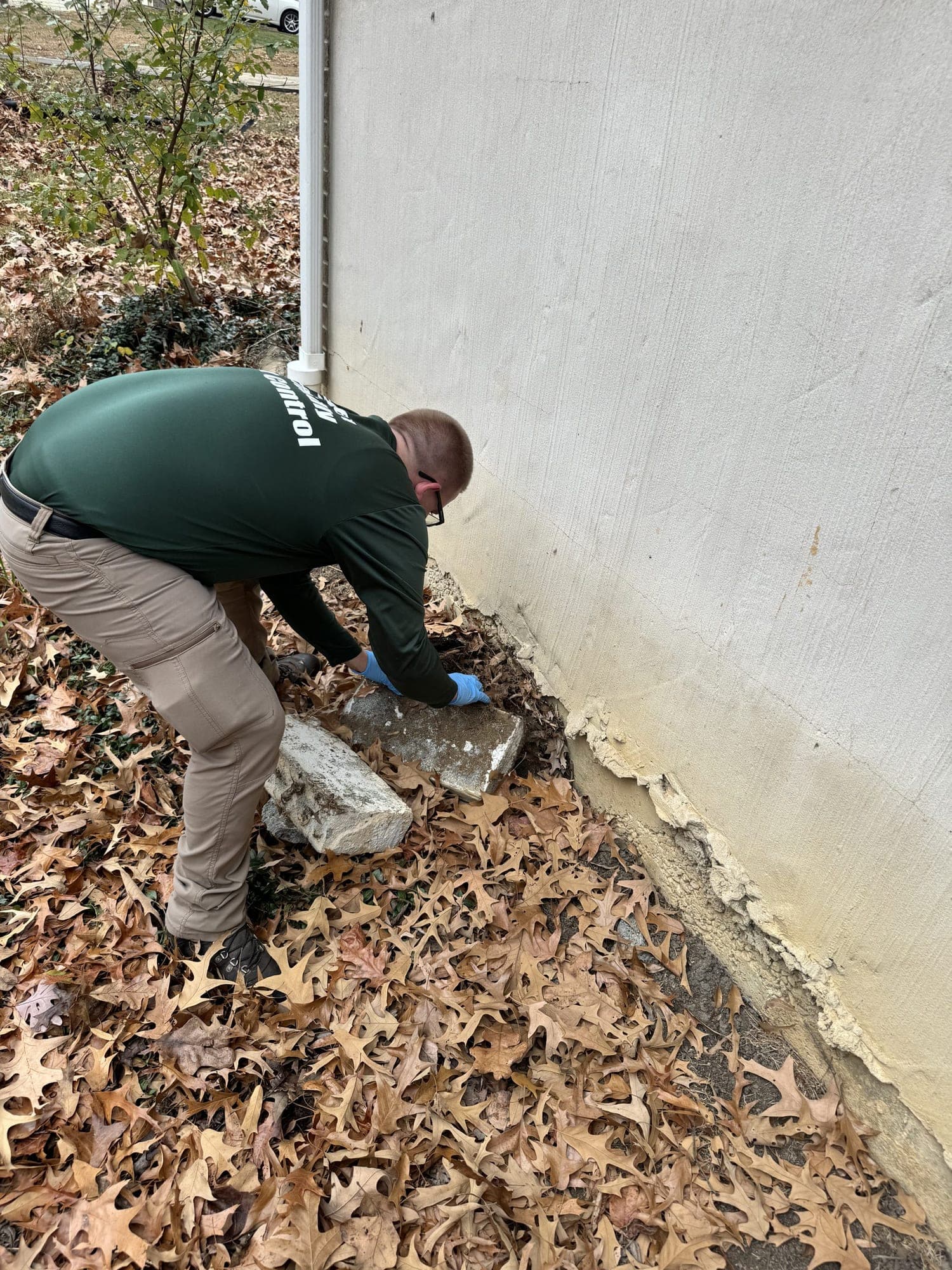
- Inspecting the exterior to identify insect activity and spider hiding areas
- Reducing exterior insects that attract spiders
- Applying targeted exterior treatments where needed
- Limiting spider access points around the home
- Minimizing or avoiding indoor product use
This approach reduces spider activity naturally by addressing what attracts them in the first place.
Why This Matters for Homes in Our Region
In Southern Maryland and Northern Virginia, spiders often move indoors as temperatures change or insect populations shift.
If the root cause isn't addressed, homeowners may experience:
- Ongoing spider sightings
- Repeated web removal
- Increased indoor stress or discomfort
- Frustration from treatments that don't last
Reducing spiders correctly helps restore comfort without unnecessary chemical use.

What Type of Spider Control Works Best?
For recurring spider activity, exterior-focused pest control that reduces insects is typically more effective than one-time indoor treatments.
Exterior-focused service works because it:
- Reduces insects spiders rely on for food
- Interrupts spider movement toward the home
- Adapts to seasonal changes
- Helps prevent re-entry over time
This method is more effective than spraying spiders indoors after they appear.
Recommended Spider Control Services
Most spider issues are best addressed through seasonal or year-round exterior pest protection, depending on insect activity and property conditions.
These services focus on:
- Managing insects that attract spiders
- Targeted exterior treatments
- Ongoing monitoring and adjustments
- Long-term prevention rather than short-term relief
A professional inspection helps determine the appropriate level of service.
Reviews
Hear From Our Happy Customers
Hundreds of Google reviews across our verified service locations.
Excellent on Google
Josh F.
Google review · Sep 2026
Alex was great! Very professional and explained the whole process before doing any work. We had a wasp nest in our wall, getting in through a seam between our brick and siding. I thought it would be a costly problem, but it was taken care of in about 15 minutes.
Amy B.
Google review · Sep 2026
I am very pleased with the work of Planet Friendly Pest Control. I had a large wasp nest in the garage and they came out to treat it the same day! The process was clear and professional. I was told the price when I called and they didn't try to upsell me on a monthly or quarterly contract. As mentioned above, they came out the same day I called and they texted me when they were on their way. They treated the nest and then came back a week later to confirm it was taken care of and removed the nest. It's now been a couple of weeks since the initial visit and no sign of new wasps! I would not hesitate to use them again.
Cheryl P.
Google review · Aug 2026
Tech was very nice, explained what the chemical is designed to do.
Patrick H.
Google review · Jul 2026
I want to sincerely thank Planet Friendly Pest Control and its owner, Gene Wright, for their immediate response and action to deal with a hive of Bald Face Hornets who, unbeknownst to me, had taken home in a fair size shrub at the back of my house. As I attempted to trim the shrub, I was swarmed by Hornets and stung 8 or 9 times before I could get to safety. I left my tractor and tools in a hurry and was afraid to retrieve them until the bee issue was addressed. Again, PFPC responded quickly and allowed me to get my tools and continue my recovery from the bee stings. I considered the price to be very fair for the treatment of the issue at hand and the sharing of knowledge to avoid further such mishaps. I will only call PFPC when in need of pest control.
Betty E.
Google review · Jul 2026
Roger came out and killed hornets in large nest on our house. It was taken care of the day after I called for service.
Ken C.
Google review · Jun 2026
Planet Friendly has been doing our pest control for several years now. They are reliable, and perform a great service for us. We are notified by email when the appointment is confirmed. They are always professional and knowledgeable.
Nikole R.
Google review · Jun 2026
Really appreciate Roger coming out to the house to not only treat for common insects that like to make their way into the house (regularly scheduled maintenance), but also exterminate a hornet nest we found on our deck this last week. Great service, arrives on schedule (and sends a text with arrival time when he’s on his way), and most importantly - no critters coming inside my house - or hornets potentially stinging us. Recommend Planet Friendly Pest Control to anyone looking for an exterminator.
Kathleen M.
Google review · Jun 2026
Great service. No bugs in the house! They quietly and quickly get the job done, no hastle.
San D.
Google review · Jun 2026
Roger was very kind and professional. He did an excellent job attending to areas of the exterior of our home that required extra attention.
Patti W.
Google review · Jun 2026
Gene Wright came highly recommended by multiple neighbors. He came out the same day I called and showed great knowledge about our mouse problem! Gene was responsible, knowledgeable and a delight to deal with. We highly recommend Planet Friendly Pest Control.
Denise A.
Google review · Apr 2026
This is my third year using Planet Friendly to control ants in my home. I have yet to see an ant. What a relief. This is a real necessity where I live. Thank you.


Frequently Asked Questions About Spider Control
Often, yes. Spiders are attracted to areas where insects are present, so spider activity can indicate an underlying insect issue.
In most cases, no. Because spiders originate from outside conditions, interior spraying is usually unnecessary.
Yes. Our eco-smart approach uses minimal product applied strategically, with safety as a priority.
Spider activity may decrease temporarily, but it often returns if insects and access points are not addressed.
Spiders are often more noticeable in late summer and fall, especially as temperatures change.
Most homeowners notice fewer spiders within days, with continued improvement as exterior insect pressure is reduced.
Spider bites are rare, but controlling spider activity helps reduce indoor encounters.
Trusted locally
Local Spider Control Experience You Can Trust
Planet Friendly Pest Control serves Southern Maryland and Northern Virginia with inspection-first, outside-focused pest management designed to protect homes, families, and pets with minimal product use.
Owner Gene Wright has solved local pest problems since 1998.
- Licensed in MarylandLicense #31162
- Licensed in VirginiaLicense #13372
- A+ BBB ratingNot BBB accredited
- MSPCA memberMaryland State Pest Control Association
- NPMA memberNational Pest Management Association
People Also Ask About Spider Control
Spiders usually appear when insect activity increases. They follow food sources, not people.
Read the full article: Why are spiders suddenly appearing in my house?No, spiders are attracted to insects, not dirt. Even clean homes can have spider issues.
Read the full article: Does seeing spiders mean my house is dirty?These areas are quiet and attract insects. They also offer easy access points.
Read the full article: Why do I see spiders mostly in the basement or garage?Yes, spider activity often increases in spring and fall. Seasonal insect changes drive this.
Read the full article: Are spiders more active in certain seasons?Spiders usually enter from outside. Walls are used for hiding, not nesting.
Read the full article: Do spiders come from inside the walls?Not usually. As long as insects remain, spiders will stay.
Read the full article: Will spiders go away on their own?Windows attract insects with light. Spiders build webs where food is easiest to catch.
Read the full article: Why do spiders build webs near windows?Most house spiders are harmless. They are more of a nuisance than a threat.
Read the full article: Are house spiders dangerous?Safety & Health Concerns
Most spiders are not dangerous. Bites are rare and usually mild.
Read the full article: Are spiders dangerous to people?Spider bites on pets are uncommon. Most encounters cause no issues.
Read the full article: Can spiders bite pets?Spiders are not known to spread diseases. Health risks are minimal.
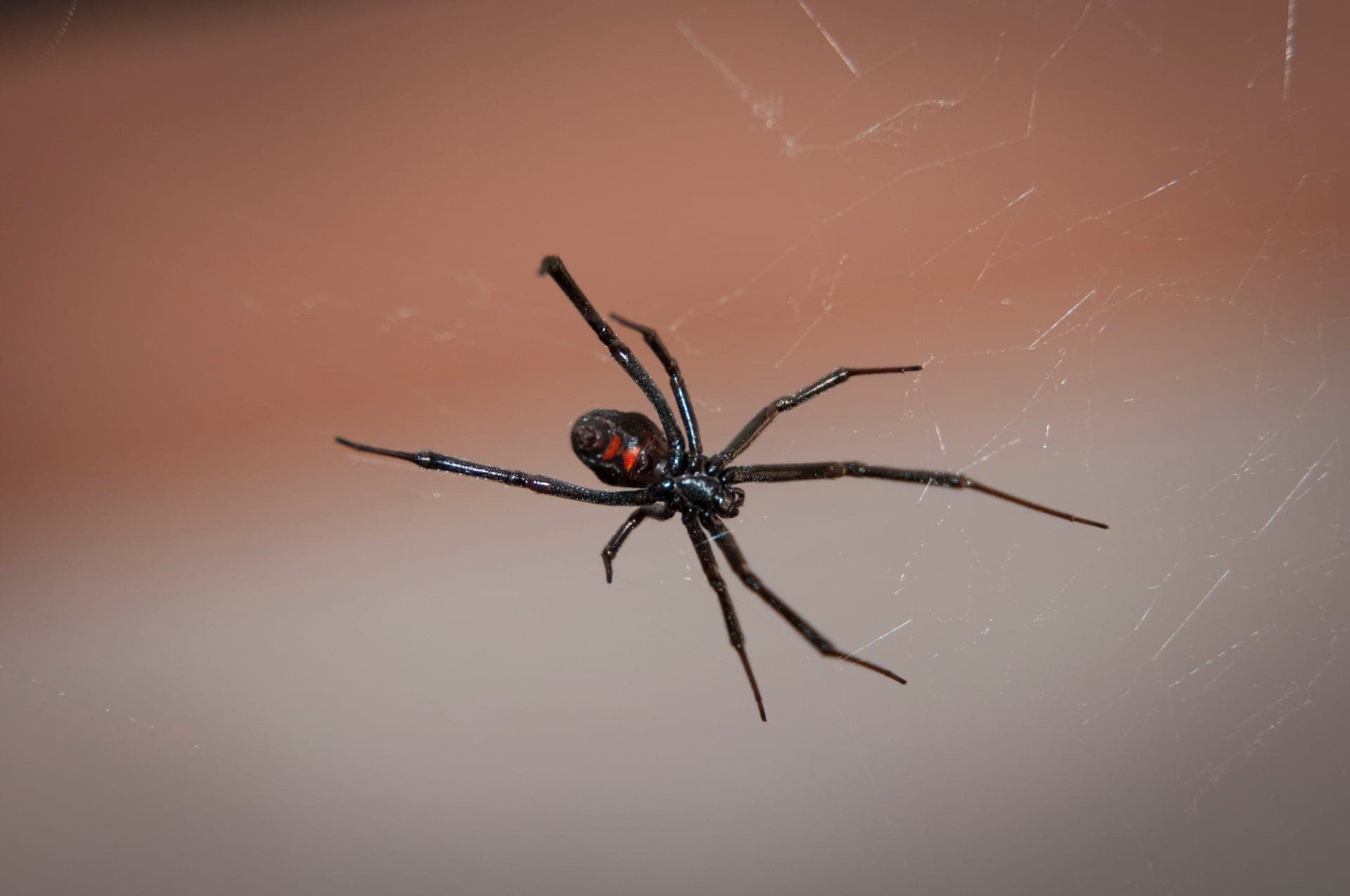
Read the full article: Do spiders carry diseases?Venomous spiders are rare in this region. Identification helps ease concern.
Read the full article: Should I worry about venomous spiders?Professional treatments are designed to be used safely. Exterior-focused control limits indoor exposure.
Read the full article: Are spider treatments safe for families?Webs don't affect air quality but indicate insect activity. Removing the source solves the problem.
Read the full article: Can spider webs affect air quality?Spiders themselves don't cause allergies. Dust buildup around webs may irritate some people.
Read the full article: Do spiders trigger allergies?Yes, for occasional spiders. Ongoing issues usually need professional control.
Read the full article: Is it safe to remove spiders myself?How Professional Spider Control Works
It focuses on reducing insects and treating exterior harborage areas. This removes the spider food supply.
Read the full article: How does professional spider control work?Most spider control is done outside. Interior treatments are rarely needed.
Read the full article: Do you spray inside for spiders?Most homeowners see improvement quickly. Full results depend on insect levels.
Read the full article: How long does spider treatment take to work?Different spiders follow different insects. Inspection ensures the right strategy.
Read the full article: Why is inspection important for spider control?They can if insects return. Ongoing exterior protection prevents this.
Read the full article: Can spiders come back after treatment?Yes, web removal is part of effective control. It helps reset spider activity.
Read the full article: Do you remove spider webs?Professionals eliminate the food source, not just the spiders you see. DIY solutions are temporary.
Read the full article: What makes professional spider control better than DIY?In most cases, yes. Stopping insects outside keeps spiders out.
Read the full article: Is exterior treatment really enough for spiders?Timing, Cost & Expectations
When spiders keep returning despite cleanup. Early action works best.
Read the full article: When should I call for spider control?Most inspections take less than an hour. Larger homes may take longer.
Read the full article: How long does a spider inspection take?Seasonal plans last through peak activity. Year-round plans provide continuous control.
Read the full article: How long does spider control last?Homes with repeat issues benefit from ongoing service. It keeps insects and spiders away.
Read the full article: Do I need ongoing spider protection?Reduce insects and seal entry points. Exterior protection does the rest.
Read the full article: What can I do to help prevent spiders?Cost depends on service level and insect pressure. Inspection determines the best approach.
Read the full article: Is spider control expensive?
Free & no obligation
Ready to Reduce Spider Activity the Smart Way?
Spider activity inside homes is usually driven by the presence of insects outdoors, which serve as their primary food source. In Southern Maryland and Northern Virginia, spiders often move indoors as temperatures change or exterior insect populations shift. Effective spider control focuses on reducing insects outside the home and limiting entry points, rather than attempting to remove spiders individually indoors.
If a covered pest returns while the customer's service is active, Planet Friendly Pest Control will return and address the problem at no additional charge.
- Free initial inspection
- No long-term contracts