
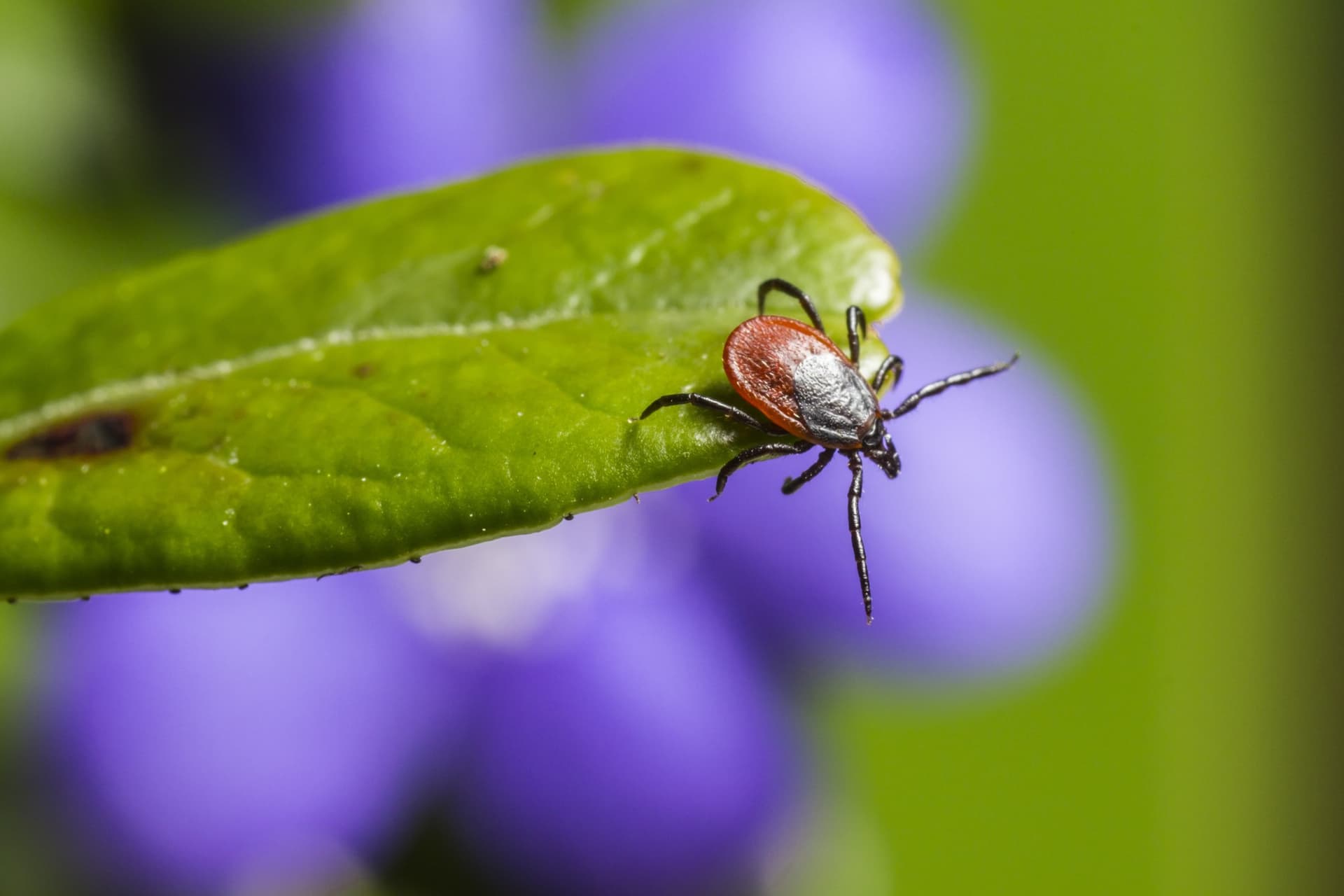
Tick Control
Are tick bites dangerous to children?
Answers about tick control in Southern Maryland & Northern Virginia.
Tick bites can be risky for children because they spend more time playing outdoors and closer to the ground. Reducing tick activity in the yard helps lower exposure and overall risk.
Trusted Local Experience
Gene Wright began professional pest work in 1998, and founded Planet Friendly Pest Control in 2010 to bring that experience to homeowners across Northern Virginia and Southern Maryland.
Why This Happens
Children and ticks cross paths more often than adults realize.
Kids play in grass, sit on the ground, explore edges of the yard, and move in and out of shaded areas where ticks wait. They’re also more likely to brush against tall grass, leaf litter, and low landscaping.
Ticks don’t seek out children specifically—but children’s play habits make contact more likely. Smaller size, thinner skin, and hard-to-see attachment areas like behind ears or along the hairline also matter.
In Northern Virginia and Southern Maryland, many family homes back up to wooded areas or have shaded yards, which increases tick pressure during much of the year.
What This Means for Your Home
A tick bite doesn’t automatically mean illness. Most do not cause problems.
The concern comes from repeated exposure and undetected attachment. Children may not notice a tick right away or may not mention it unless it’s uncomfortable.
This is why parents ask this question. It’s about safety, not fear.
When ticks are active in the yard, the chances of unnoticed bites increase—especially during peak seasons like spring and fall.
How Professionals Address It
Professional tick control focuses on reducing exposure where children actually play.
We inspect yard edges, shaded areas, play zones, fence lines, and paths between lawn and woods. These are the areas where ticks wait and where children often pass through.
Control is exterior-first and targeted. We reduce tick habitat and activity outside so ticks never reach children in the first place.
Interior treatments are rarely needed for tick concerns. Yard-focused prevention is what makes the real difference.
What Homeowners Can Do Now
Safe, DIY steps you can take:
Avoid yard sprays or foggers without understanding where ticks are actually coming from.
- Keep play areas in sunny, open parts of the yard
- Trim grass and remove leaf litter regularly
- Reduce brush and ground cover near play zones
- Check children after outdoor play
- Wash play clothes after yard activity
When to Call a Professional
If ticks are being found in areas where children play, it’s time for a professional inspection.
A proper inspection explains where ticks are coming from and how to reduce risk without over-treating the yard. Prevention now helps avoid repeated exposure later.
This is about protecting outdoor play—not taking it away.
Common Questions
Are children more at risk than adults? They’re more exposed due to play habits, not because they’re weaker.
Can tick bites be serious? They can be, which is why reducing exposure matters.
Does yard control really help? Yes. Fewer ticks in the yard means fewer chances for bites.
Written by Planet Friendly Pest Control, serving Northern Virginia and Southern Maryland since 1998. This guidance reflects decades of hands-on inspection experience using outside-first, minimal-product pest control methods focused on long-term prevention and home protection.
Ready to book your free inspection?
Hundreds of Google reviews across our verified service locations. Schedule a free, no-obligation inspection and we’ll start with the exterior — where most problems begin.