What an Exterior Rodent Inspection Should Look For
When you call someone about mice, the first visit tells you a lot about how the problem will be handled. A quick look under the sink and a few traps might catch the mice you have now. It won't tell you how they got in, and it won't stop the next ones.
A good exterior rodent inspection does. It covers the whole outside of your home, from the foundation to the roofline, and looks for three things: the openings mice or rats could use, signs they're already using them, and the conditions around your yard that draw them in. When it's done, you should have a written record of what was found and what happens next.
Here's what that inspection should cover, so you know what to expect and what to ask, whoever you hire.
A good exterior rodent inspection checks the whole outside of the home, from the foundation to the roofline, for entry points, signs of rodent activity and conditions that attract rodents. It should end with a written report and a clear plan.— The short answer
Why should a rodent inspection start outside?
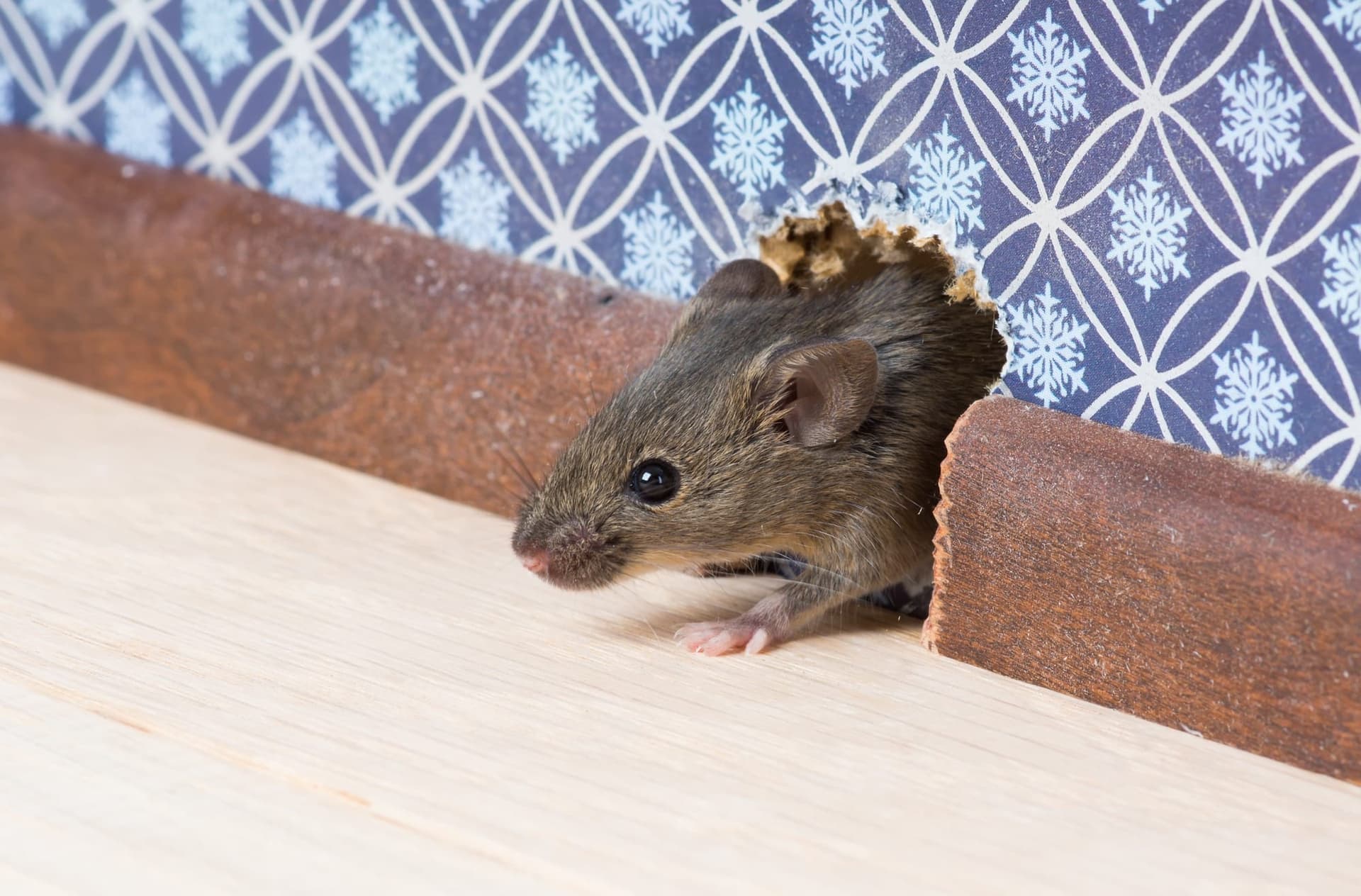
Scratching in the wall or droppings in a cabinet tell you rodents are inside. They don't tell you how they got there. That answer is usually on the outside of the house: a gap around a pipe, a worn door seal, a crack at the foundation.
The University of California's pest management guide calls exclusion, keeping rodents out by closing the ways in, the most successful and permanent form of house mouse control. Traps remove the mice already inside. If the gaps aren't sealed, new ones simply take their place. An exterior inspection is how those openings get found.
What gets checked at ground level?
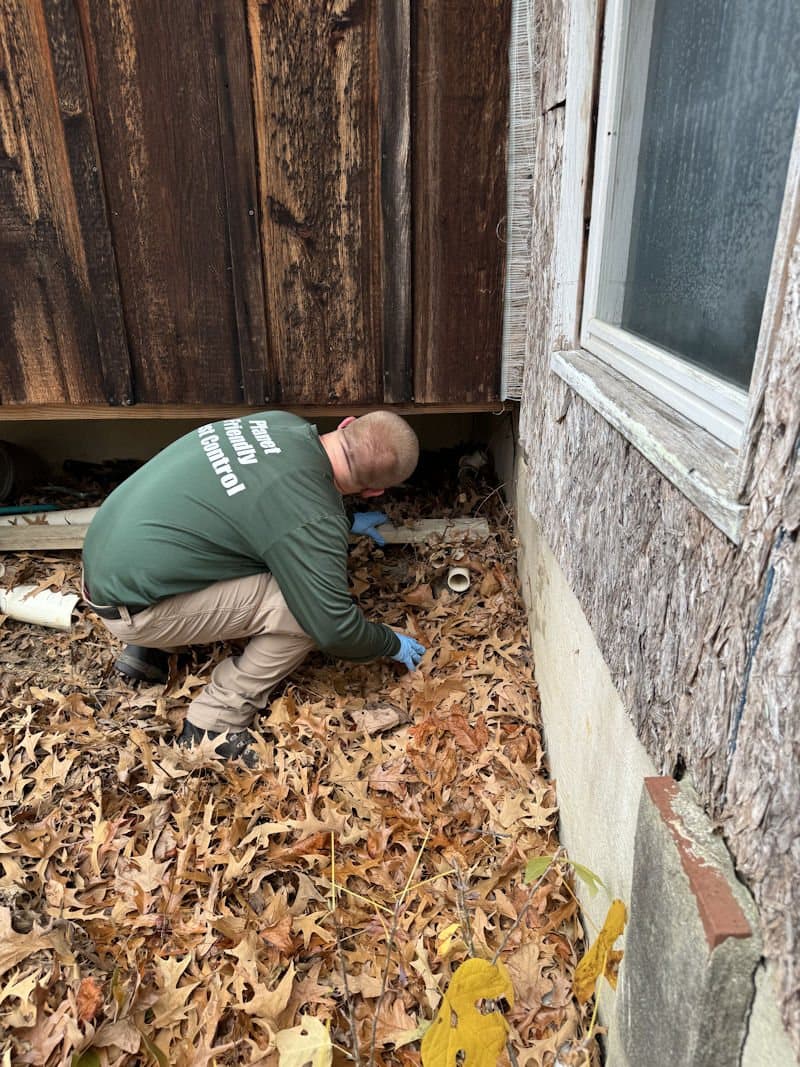
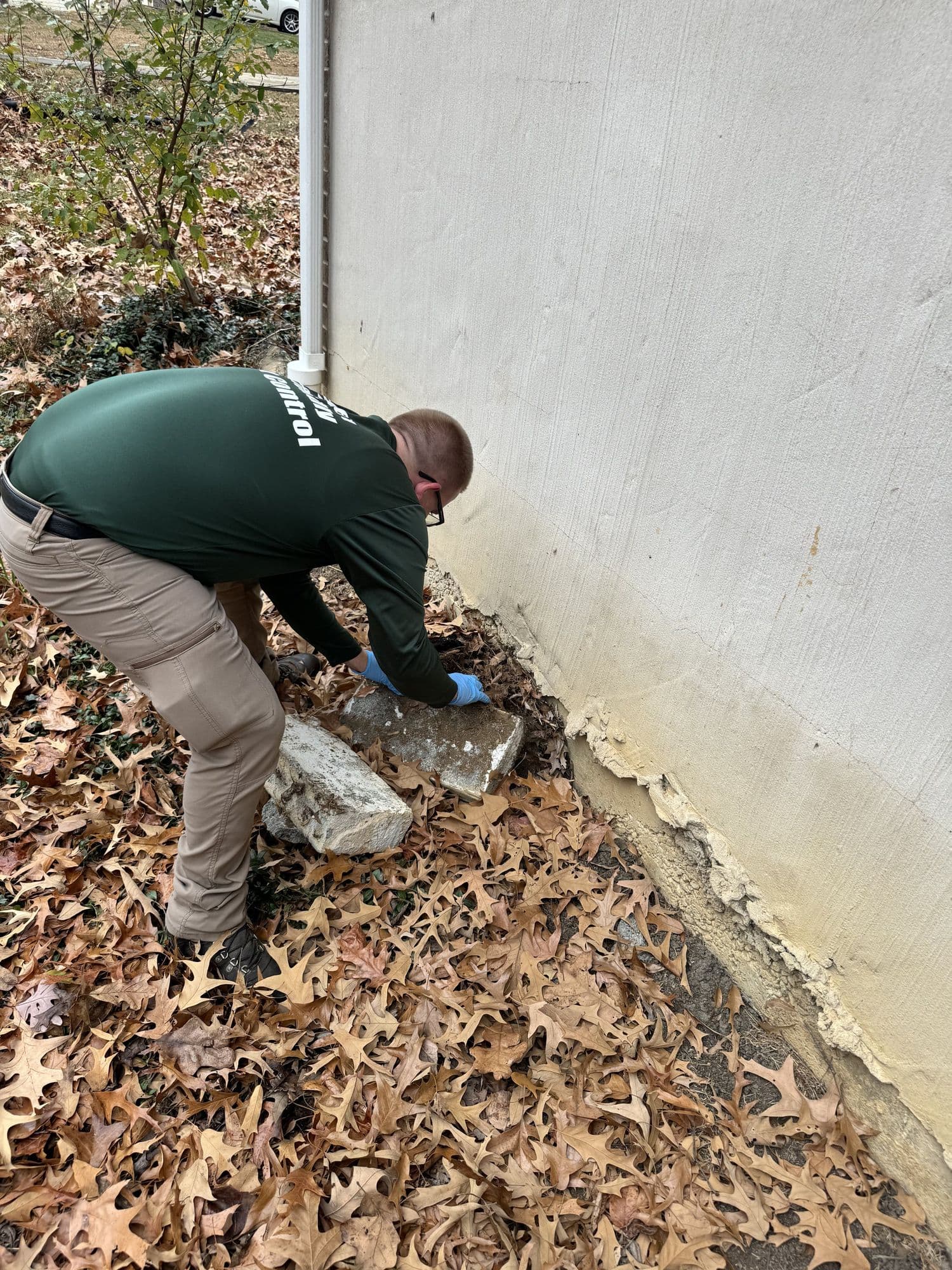
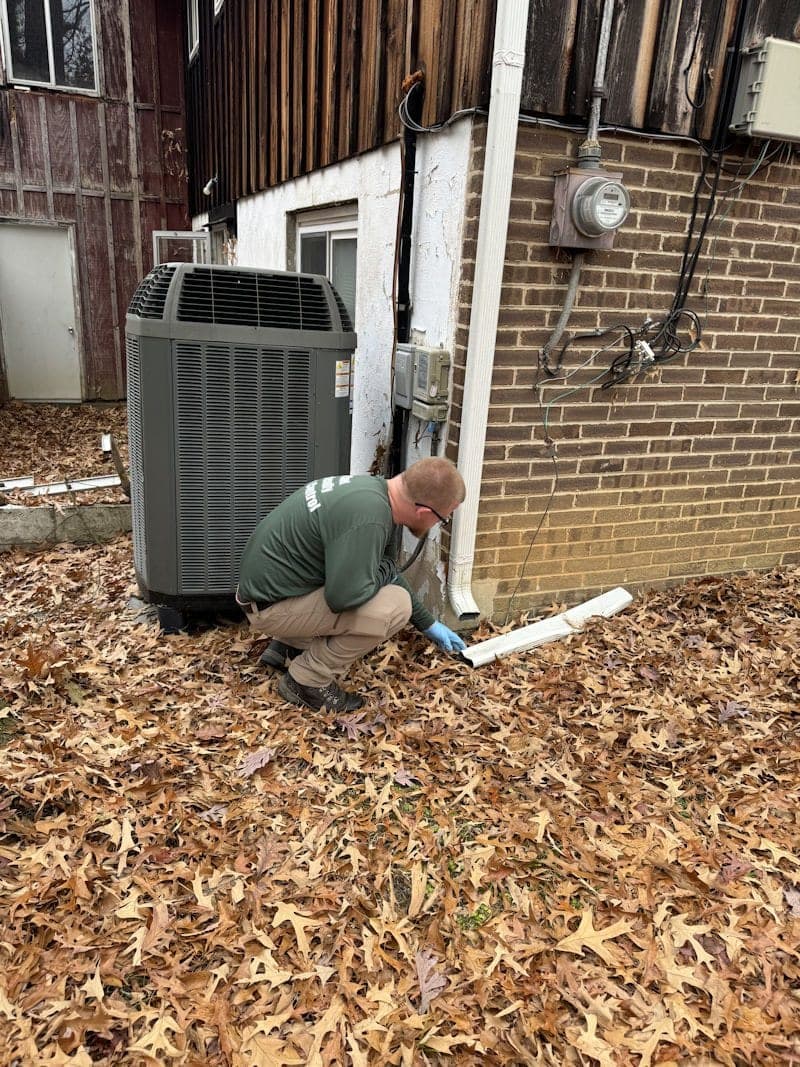
Most entry points are within a few feet of the ground, so this is where a careful inspector spends most of their time. Expect them to work all the way around the house and look closely at:
- Cracks in the foundation, and gaps where siding, brick or stucco meets it
- Every place a pipe, wire or cable goes into the wall: air-conditioning lines, gas lines, outdoor faucets, electrical conduit, and cable and phone lines
- Exterior doors and thresholds, including worn or missing door sweeps
- The garage door, especially the bottom seal and the corners where it meets the frame
- Crawl space vents, access doors and their screens
- Dryer vents and other wall vents
Why the roofline matters too
It's easy to assume mice only come in at ground level. They don't. The UC guide notes that house mice are excellent climbers and can run up any rough vertical surface, brick and many kinds of siding included. A thorough inspection also looks up at:
- Gaps along soffits, fascia boards and the roofline
- Roof vents, gable vents and attic vents with damaged or missing screens
- Openings around the chimney
- Tree limbs, shrubs or vines that touch the house and give rodents a way up
What signs of rodents should an inspector look for?
Finding a possible way in is only half the job. A careful inspector also looks for proof that rodents are using it. Droppings and gnaw marks are the main signs, with tracks as a further clue, and nests often turn up in garages, sheds, attics and basements. Things to look for include:
- Droppings near the foundation, in the garage or along walls
- Gnaw marks on doors, trim, siding or stored items
- Nesting material in garages, sheds and crawl spaces
- Tracks in dust or soft soil along walls
What around your yard is attracting rodents?
Rodents follow food and shelter. Good housekeeping rarely solves a rodent problem by itself, but poor sanitation draws them in and helps them thrive. A good inspection notes conditions like these:
- Bird seed, pet food or grass seed stored in bags in the garage or shed
- Firewood, lumber or debris stacked against the house
- Dense shrubs, ivy or leaf piles against the foundation
- Trash and recycling bins without tight lids
- Clutter along garage walls that gives rodents cover
What should a rodent inspection report include?
An inspection is only as useful as the record it leaves behind. When it's finished, you should be able to see:
- Where the entry points are, or where they're suspected
- Where rodent activity or nesting was found
- Which conditions around the home should be corrected
- The recommended plan, such as trapping and removal, sealing entry points, or both
- Whether follow-up visits and monitoring are included
At Planet Friendly Pest Control, every visit ends with a written inspection report. It records what we found, the decisions we made and what to keep an eye on next. Customers can find all of their reports together in the PFPC customer app.
Questions to ask before anyone starts rodent work
Whoever you hire, these questions help you understand the plan and what you're paying for:
- Did the inspection cover the whole outside of the home, including the roofline?
- What will you use to seal each opening? The University of California recommends metal or concrete, and notes that plastic, rubber, vinyl, expanding foam and wood are not effective for plugging holes used by mice.
- If bait is used, how will it be kept away from children and pets? EPA limits the rodenticides sold to homeowners to ready-to-use bait stations, and the National Pesticide Information Center recommends bait stations over loose bait.
- What happens if there's still activity after the work is done?
How PFPC handles a rodent inspection
We treat rodent control as a structural problem, not a quick fix. Our inspection covers both the exterior and the interior of your home. We identify entry points, nesting areas and activity zones, then build a removal and exclusion plan around what we actually find. Depending on the findings, that can include trapping and removal, sealing entry points and follow-up monitoring.
Our approach is built for homes with pets: we begin with an inspection, address exterior conditions first, and use targeted treatments only where needed. All products are applied according to their labels, which helps limit unnecessary pesticide use and indoor exposure. Owner Gene Wright has solved local pest problems since 1998.
You can read more about the process on our rodent control page.
When should you schedule a rodent inspection?
Good times to have the outside of your home checked:
- When the nights start turning cold in the fall, before mice settle in for the winter
- When you hear scratching in the walls or ceiling, especially at night
- When you find droppings in the garage, basement, kitchen or attic
- When you've trapped mice and more keep showing up
- After a renovation, a new deck or a new utility line that may have left gaps
Whether you're in Lusby, La Plata or Alexandria, your first PFPC inspection is free and comes with no obligation. Schedule a free inspection.
Common questions about rodent inspections
Q: Is an exterior inspection enough on its own?
A: It often finds the source, but not always the whole picture. If there are signs inside, the attic, basement, crawl space, garage and the areas around appliances should be checked too. PFPC's rodent inspections cover both the outside and the inside.
Q: Does an inspection mean I'll need treatment?
A: No. We inspect first and recommend work only when the findings support it.
Q: Can I check the outside of my house myself?
A: Yes, and it's worth doing. Our guide to how mice get into Southern Maryland homes in the fall includes a simple walk-around checklist. A professional inspection adds an experienced eye and a written record.
Q: I've already set traps. Do I still need an inspection?
A: Traps catch the mice already inside, but they rarely fix the problem if the ways in stay open. Here's why mice keep showing up after you set traps.
Q: Is the first inspection really free?
A: Yes. PFPC's first inspection is free, and there's no obligation.
Q: Do you serve my area?
A: PFPC serves Southern Maryland and Northern Virginia. See our Southern Maryland and Northern Virginia service area pages.