
Stinging Insect Control
Does seeing one wasp mean there’s a nest nearby?
Answers about stinging insect control in Southern Maryland & Northern Virginia.
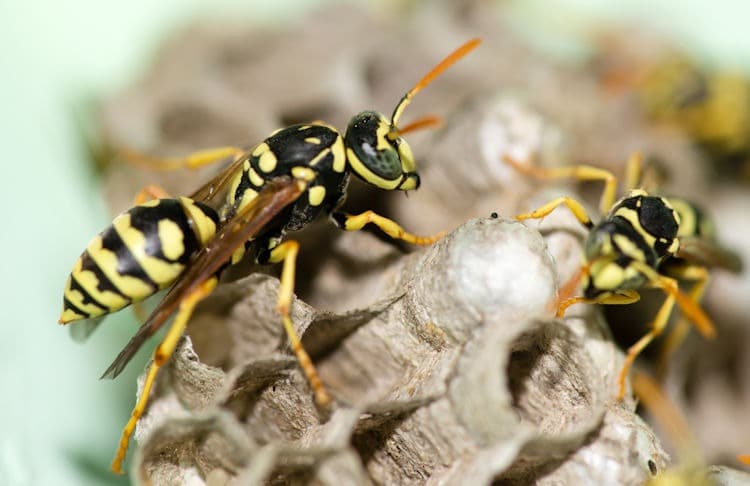
Often, yes. Seeing one wasp—especially repeatedly in the same area—usually means there is an active nest nearby that the wasp is traveling to and from.
Trusted Local Experience
Gene Wright began professional pest work in 1998, and founded Planet Friendly Pest Control in 2010 to bring that experience to homeowners across Northern Virginia and Southern Maryland.
Why This Happens
Wasps don’t wander far without a reason. Most are worker wasps traveling between the nest and food sources.
If you see a wasp once and never again, it may just be passing through. But when sightings repeat in the same spot, that usually means the nest is close enough for regular trips.
In Northern Virginia and Southern Maryland, wasps often build nests in eaves, soffits, decks, sheds, wall voids, or underground. These locations allow them to stay hidden while still moving freely around your home.
What This Means for Your Home
Repeated wasp sightings are an early warning sign.
At first, activity may seem minor. One wasp here and there. Over time, sightings increase as the nest grows and more workers are sent out.
This is when problems start. Regular traffic near doors, patios, garages, or play areas raises the risk of accidental stings—especially for children and pets.
Ignoring early signs often leads to larger nests and more aggressive behavior later in the season.
How Professionals Address It
Professionals don’t wait for a nest to become obvious.
The process starts with observing flight patterns. Wasps tend to fly the same path repeatedly when returning to a nest.
An exterior inspection then identifies likely nesting locations and entry points. Control focuses on resolving the nest safely and preventing future activity, not just chasing individual wasps.
Interior treatment is only considered if insects have already entered the home.
What Homeowners Can Do Now
Safe steps you can take right away:
Avoid swatting, spraying, or following wasps too closely. That often leads to stings.
- Watch where the wasp is flying to and from
- Note if sightings happen in the same area daily
- Check eaves, decks, and sheds from the ground
- Keep doors and windows closed nearby
- Keep pets and kids away from the activity area
When to Call a Professional
If you’re seeing wasps regularly in one area, a professional inspection is the safest next step.
Catching a nest early usually means less risk, fewer wasps, and simpler resolution. Waiting often allows the colony to grow and become more defensive.
Common Questions
Does one wasp always mean a nest? Not always, but repeated sightings almost always do.
How close is “nearby”? Often within a few yards, sometimes inside walls or structures.
Is early professional inspection safer? Yes. Early inspection prevents stings and larger nest problems.
Written by Planet Friendly Pest Control, serving Northern Virginia and Southern Maryland since 1998. This guidance reflects decades of hands-on inspection experience using outside-first, minimal-product pest control methods focused on long-term prevention and home protection.
Ready to book your free inspection?
Hundreds of Google reviews across our verified service locations. Schedule a free, no-obligation inspection and we’ll start with the exterior — where most problems begin.