
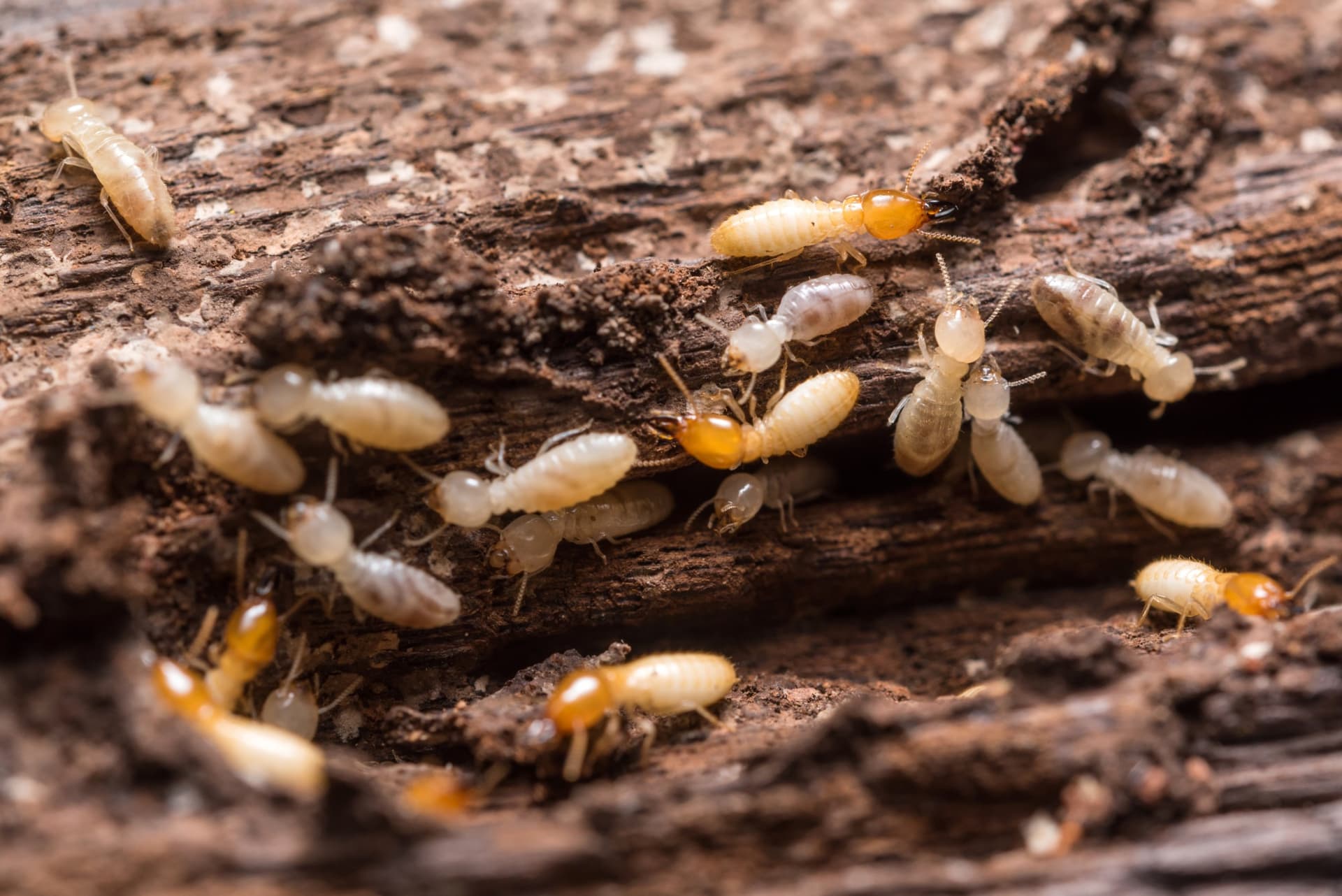
Termite Control
Can termites affect indoor air quality?
Answers about termite control in Southern Maryland & Northern Virginia.
Indirectly, yes. Termites themselves don’t affect air quality, but long-term moisture and wood damage can create conditions that allow mold to grow, which can impact indoor air quality.
Trusted Local Experience
Gene Wright began professional pest work in 1998, and founded Planet Friendly Pest Control in 2010 to bring that experience to homeowners across Northern Virginia and Southern Maryland.
Why This Happens
Termites need moisture to survive. In many homes, that moisture comes from damp crawlspaces, basement walls, plumbing leaks, or poor drainage near the foundation.
When termites damage wood over time, they can trap moisture inside walls, floors, or framing. That damp, hidden environment is where mold is most likely to develop—not overnight, but slowly.
In Northern Virginia and Southern Maryland, humidity is a big factor. Our climate makes it easier for moisture problems to linger, especially in older homes, homes with crawlspaces, or houses surrounded by heavy landscaping.
What This Means for Your Home
Most homeowners ask this question because they’re worried about health, kids, pets, and breathing air inside the home. That concern is understandable.
The reassuring part: termites alone are not an air-quality threat. The concern comes when an infestation has been active long enough for moisture problems and wood decay to go unchecked.
In those long-term cases, mold growth can contribute to:
This doesn’t happen in every termite situation. It’s more common when damage and moisture have been present for a long time without inspection.
- Musty odors
- Increased allergy or asthma symptoms
- Poor overall indoor air comfort
How Professionals Address It
A professional inspection looks beyond just “Are there termites?”
We also look at:
By addressing termites and the conditions that support them, professionals help reduce the chance of secondary issues like mold. The focus is on stopping activity, correcting habitat problems, and protecting the structure moving forward.
- Where moisture is entering or staying
- Whether wood damage is allowing damp conditions to persist
- Crawlspace and basement conditions that affect the whole home
What Homeowners Can Do Now
Safe, smart steps you can take without treating anything yourself:
Avoid ignoring moisture just because you don’t see termites. The two often go together.
- Control moisture: fix leaks, improve drainage, and use proper ventilation
- Keep basements and crawlspaces clean and uncluttered
- Watch for musty smells or persistent dampness
- Store cardboard and paper items off floors and away from walls
- Take note of where damage or odors seem strongest
The Experience Behind This Answer
This information is provided by Planet Friendly Pest Control, a locally owned pest control company serving Northern Virginia and Southern Maryland.
Our recommendations are based on real-world experience protecting homes in this region since 1998. We focus on inspection-first, exterior-focused termite control using the least amount of treatment necessary to protect the structure, families, and pets.
Every home is different. That’s why our guidance is based on how termites actually behave in local soil, moisture, and construction conditions—not generic advice or one-size-fits-all solutions.
When to Call a Professional
If you’ve noticed termites and ongoing moisture, musty odors, or unexplained air-quality concerns, a professional inspection is the right next step—especially if the home hasn’t been checked in years.
An inspection helps determine whether there’s an indirect risk to indoor air quality and what conditions need attention now versus later. Catching these issues early usually keeps them simpler and less costly.
If you’re in Northern Virginia or Southern Maryland, Planet Friendly Pest Control offers inspection-first evaluations focused on protecting the home, the structure, and the living environment—without overdoing treatment.
Common Questions
Do termites release anything into the air? No. Termites themselves don’t affect the air directly.
Is mold guaranteed if you have termites? No. Mold is more likely in long-term infestations with ongoing moisture issues.
Can this affect children or pets? Only indirectly if mold develops. Termites alone aren’t an air-quality risk.
Will fixing moisture help? Yes. Reducing moisture helps limit both termite activity and mold risk.
Ready to book your free inspection?
Hundreds of Google reviews across our verified service locations. Schedule a free, no-obligation inspection and we’ll start with the exterior — where most problems begin.