
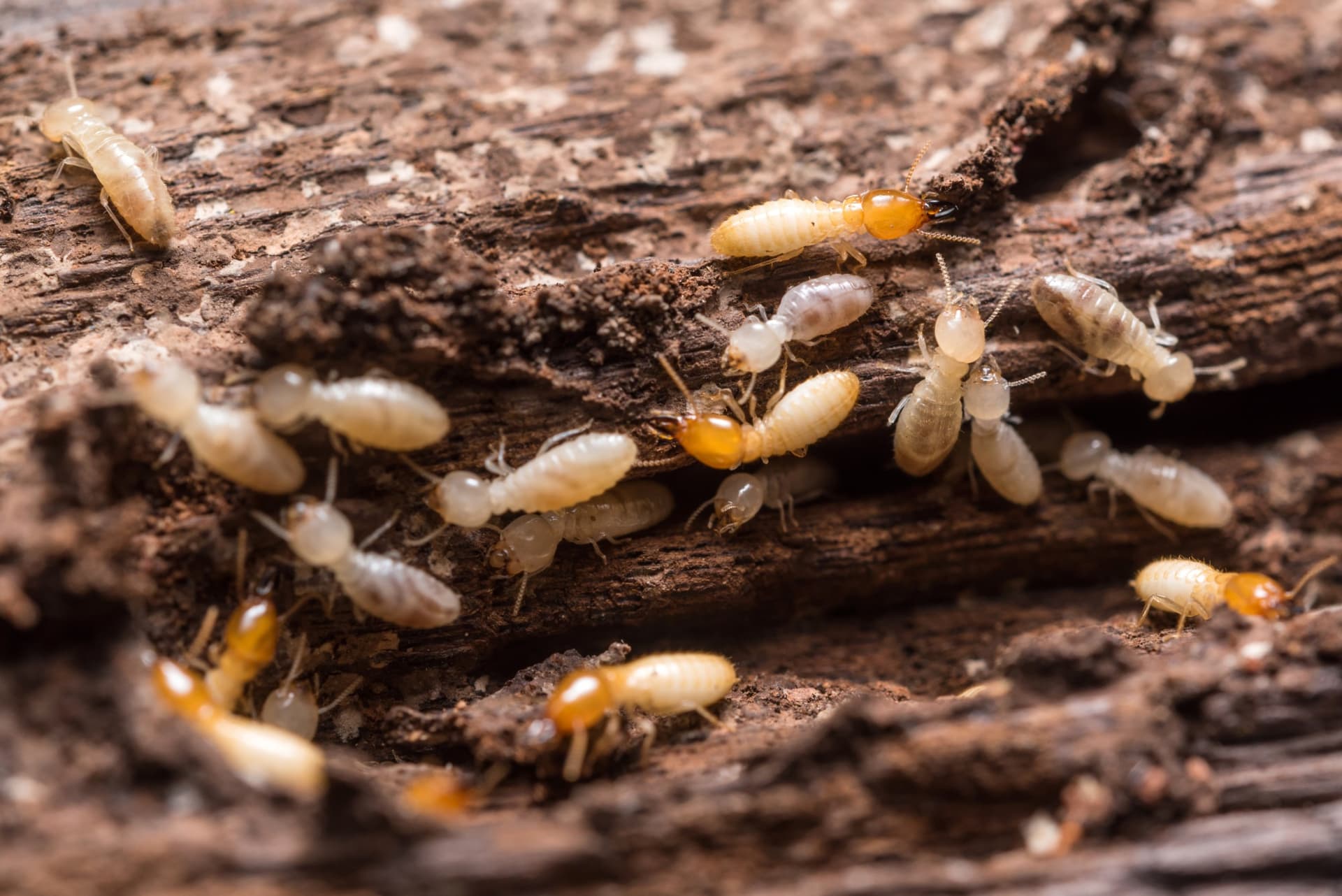
Termite Control
Can termites damage insulation or wiring?
Answers about termite control in Southern Maryland & Northern Virginia.
Yes. Termites can damage insulation and sometimes chew around wiring. While they don’t feed on wires, this activity can increase repair needs and safety concerns.
Trusted Local Experience
Gene Wright began professional pest work in 1998, and founded Planet Friendly Pest Control in 2010 to bring that experience to homeowners across Northern Virginia and Southern Maryland.
Why This Happens
Termites are after cellulose found in wood and paper-backed materials. Many types of insulation—especially older or faced insulation—contain materials termites can tunnel through.
When termites move through walls, crawlspaces, or attics, they don’t avoid wiring. They may chew around it or displace it while creating tunnels. The wiring itself isn’t food, but it can end up exposed or compromised as surrounding materials are damaged.
In Northern Virginia and Southern Maryland, crawlspaces and basements are common. These areas often combine wood framing, insulation, moisture, and utilities—exactly the kind of environment where termite activity can go unnoticed.
What This Means for Your Home
This is where homeowners start thinking about safety, not just pests.
Over time, termite damage can:
This doesn’t mean termites will immediately create a fire hazard. But long-term, hidden activity can turn a manageable termite issue into a broader home repair problem if it’s not caught early.
For many homeowners, the concern isn’t panic—it’s prevention and protecting what’s behind the walls.
- Reduce the effectiveness of insulation, raising energy costs
- Expose or shift wiring that was previously protected
- Add complexity and cost to repairs once termites are discovered
How Professionals Address It
Professionals don’t just look for surface signs. A proper inspection checks areas where insulation, wiring, and framing come together.
The process typically includes:
The focus is on protecting the structure and systems of the home, not just eliminating visible signs.
- Inspecting crawlspaces, basements, and utility runs
- Identifying how termites are moving through the structure
- Assessing whether insulation or surrounding materials are affected
- Stopping activity and preventing further spread
What Homeowners Can Do Now
Safe, practical steps you can take:
Avoid opening walls or disturbing suspected areas yourself. That can make repairs more complicated later.
- Keep crawlspaces and basements dry and well-ventilated
- Avoid storing cardboard or paper materials near walls or utilities
- Watch for uneven temperatures or rising energy bills
- Note any exposed insulation or unusual debris
- Schedule periodic inspections, especially in older homes
The Experience Behind This Answer
This information is provided by Planet Friendly Pest Control, a locally owned pest control company serving Northern Virginia and Southern Maryland.
Our recommendations are based on real-world experience protecting homes in this region since 1998. We focus on inspection-first, exterior-focused termite control using the least amount of treatment necessary to protect the structure, families, and pets.
Every home is different. That’s why our guidance is based on how termites actually behave in local soil, moisture, and construction conditions—not generic advice or one-size-fits-all solutions.
When to Call a Professional
If you’ve seen termite signs and your home has crawlspaces, older insulation, or visible utility runs, it’s smart to have a professional inspection. Early detection helps limit both pest damage and secondary repair issues.
An inspection provides clarity: whether insulation or wiring has been affected, how serious it is, and what makes sense to do next.
If you’re in Northern Virginia or Southern Maryland, Planet Friendly Pest Control takes an inspection-first, exterior-focused approach designed to protect the entire home—not just treat symptoms.
Common Questions
Do termites eat wiring? No. They don’t eat wires, but they may chew around them while tunneling.
Can termite damage affect energy efficiency? Yes. Damaged insulation can reduce effectiveness and raise heating or cooling costs.
Is this a safety hazard? It can become one over time if damage is extensive and goes unnoticed.
Is this common? It’s more common in long-term infestations, especially in crawlspaces and basements.
Ready to book your free inspection?
Hundreds of Google reviews across our verified service locations. Schedule a free, no-obligation inspection and we’ll start with the exterior — where most problems begin.