Termite Control
Do termites carry diseases?
Answers about termite control in Southern Maryland & Northern Virginia.
No. Termites are not known to carry or spread diseases to humans. The real risk comes from the damage they cause to the structure of a home, not from illness.
Trusted Local Experience
Gene Wright began professional pest work in 1998, and founded Planet Friendly Pest Control in 2010 to bring that experience to homeowners across Northern Virginia and Southern Maryland.
Why This Happens
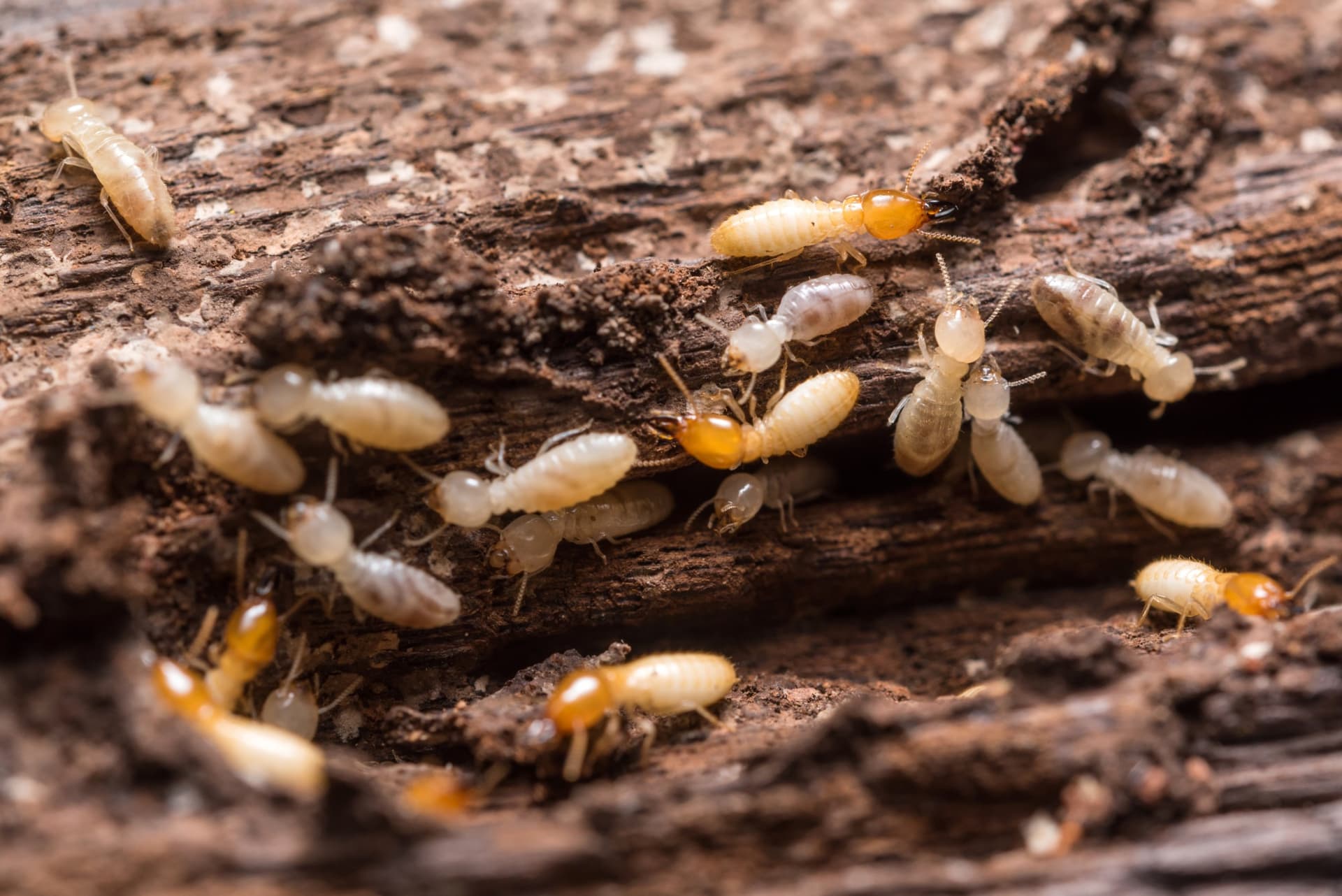
Termites feed on wood and cellulose—not garbage, waste, or food scraps. Because of that, they don’t carry the same bacteria or pathogens that pests like rodents or flies can.
Subterranean termites stay hidden in soil, walls, and framing. Their activity is quiet and out of sight, which is why homeowners sometimes worry there may be health risks involved.
In Northern Virginia and Southern Maryland, termites are common because of moisture, soil conditions, and construction styles. But common does not mean dangerous from a disease standpoint.
What This Means for Your Home
This is often a relief for homeowners—especially families with kids or pets. Termites are not a health hazard in the traditional sense.
However, that doesn’t mean they’re harmless. Over time, termite activity can:
So while you don’t need to worry about sickness, you do need to think about long-term safety and home value.
- Weaken floors, walls, and support beams
- Affect decks, porches, and stair structures
- Increase repair costs if damage spreads
How Professionals Address It
Professional termite control focuses on protecting the structure, not reacting out of fear.
The process starts with an inspection to:
From there, professionals work to stop feeding activity and prevent further damage—using an outside-first, targeted approach whenever possible.
- Confirm termite activity
- Determine how long damage may have been occurring
- Identify moisture and access points
- Evaluate any structural concerns
What Homeowners Can Do Now
Safe, practical steps that help reduce risk:
Avoid DIY treatments. They don’t address hidden damage and can delay the right solution.
- Watch for signs like mud tubes, discarded wings, or soft wood
- Keep moisture under control in crawlspaces and basements
- Avoid storing wood, cardboard, or paper against walls
- Make note of any changes in floors, trim, or doors
- Schedule inspections periodically, even without visible signs
The Experience Behind This Answer
This information is provided by Planet Friendly Pest Control, a locally owned pest control company serving Northern Virginia and Southern Maryland.
Our recommendations are based on real-world experience protecting homes in this region since 1998. We focus on inspection-first, exterior-focused termite control using the least amount of treatment necessary to protect the structure, families, and pets.
Every home is different. That’s why our guidance is based on how termites actually behave in local soil, moisture, and construction conditions—not generic advice or one-size-fits-all solutions.
When to Call a Professional
If termites are suspected, a professional inspection gives peace of mind without panic. You’ll know whether damage is present, how serious it is, and what makes sense to do next.
Termites don’t spread disease—but untreated damage can quietly grow. Early inspection is usually the calmest and most cost-effective path.
If you’re in Northern Virginia or Southern Maryland, Planet Friendly Pest Control offers inspection-driven termite evaluations focused on protecting the home, not overselling treatment.
Common Questions
Can termites make people sick? No. They are not known to spread diseases.
Are termites a health risk for pets? No. Pets are not at risk from termites themselves.
What is the main danger of termites? Structural damage to the home over time.
Should I worry if I see termites indoors? Not about disease—but you should schedule an inspection to assess damage.
Ready to book your free inspection?
Hundreds of Google reviews across our verified service locations. Schedule a free, no-obligation inspection and we’ll start with the exterior — where most problems begin.