
Termite Control
Are termites common in Southern Maryland and Northern Virginia?
Answers about termite control in Southern Maryland & Northern Virginia.
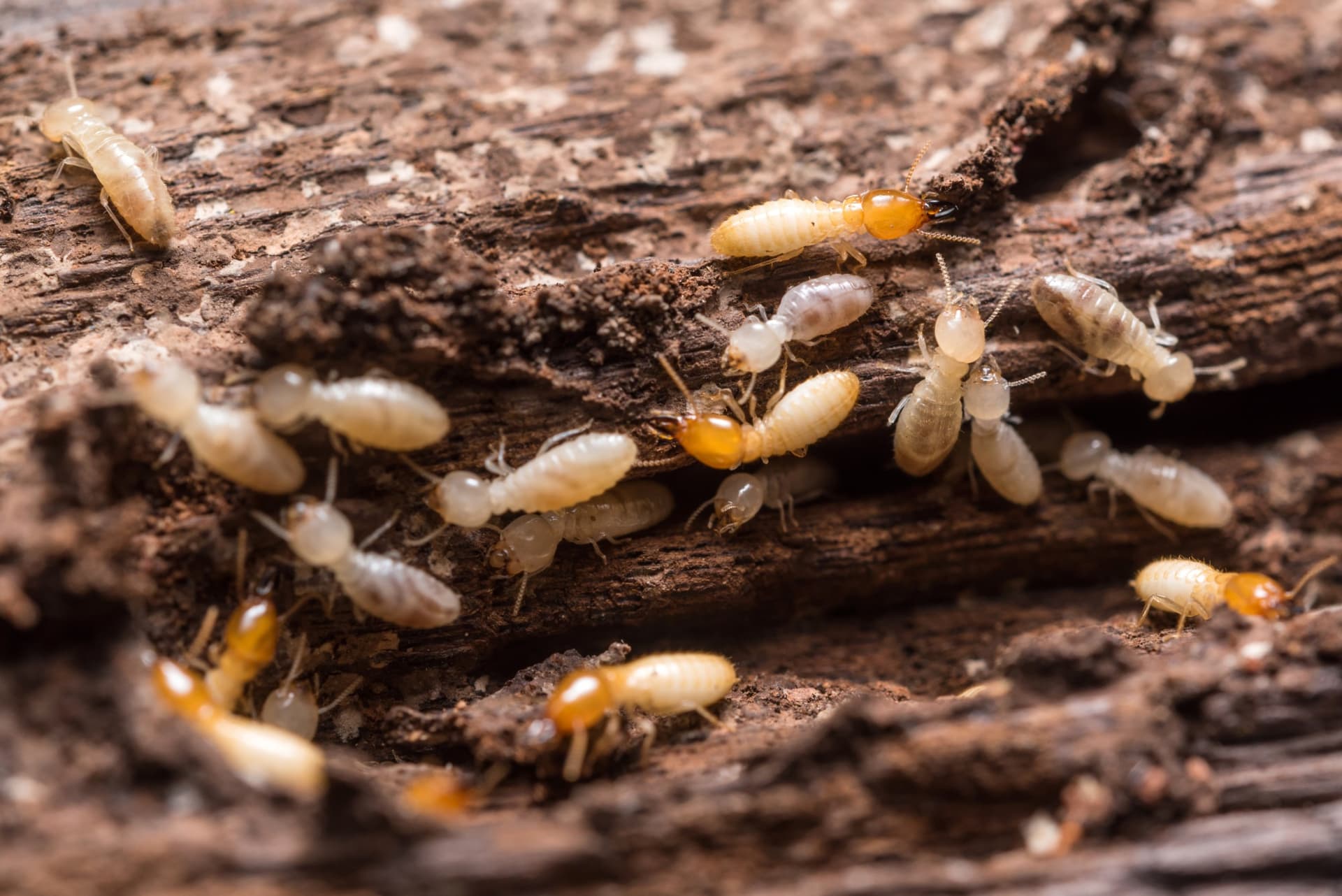
Yes. Southern Maryland and Northern Virginia are considered high-risk areas for subterranean termites. The climate, soil conditions, and common home construction styles here make most homes vulnerable at some level.
Trusted Local Experience
Gene Wright began professional pest work in 1998, and founded Planet Friendly Pest Control in 2010 to bring that experience to homeowners across Northern Virginia and Southern Maryland.
Why This Happens
Termites thrive in warm, moist environments, and our region provides exactly that. Moderate winters, humid summers, and consistent rainfall allow termite colonies to stay active most of the year.
The soil across Southern Maryland and Northern Virginia is especially favorable for subterranean termites. These termites live underground and use the soil to travel unnoticed into homes through tiny cracks, expansion joints, and areas where wood meets the ground.
Add in the way many homes are built—basements, crawlspaces, attached garages, and wood framing close to soil—and you have ideal conditions for hidden termite activity.
What This Means for Your Home
Being in a high-risk area doesn’t mean every home has termites right now. It does mean that most homes are at risk over time, even well-built and well-maintained ones.
Termite activity is often silent. Homes can look perfectly fine on the surface while damage develops out of sight. That’s why many homeowners are surprised when termites are found during a routine inspection or real estate transaction.
The reassuring part is that risk doesn’t equal inevitability. Homes that are inspected regularly and maintained with prevention in mind are far less likely to experience serious damage.
How Professionals Look at Termite Risk
Professionals don’t just ask, “Are there termites here today?” They look at conditions.
A proper inspection evaluates:
In many cases, inspections show no active termites—only risk factors that can be corrected early. That’s how long-term protection starts.
- Soil contact and moisture levels
- Foundation type and entry points
- Crawlspace or basement conditions
- Exterior features that attract or support termites
What Homeowners Can Do Now
You don’t need to treat anything yourself to lower risk. Safe, practical steps include:
These steps help reduce risk and catch problems early.
- Keep mulch, soil, and firewood away from the foundation
- Address moisture issues in crawlspaces and basements
- Avoid wood-to-soil contact around the home
- Watch for mud tubes or swarming insects in spring
- Schedule periodic professional inspections
The Experience Behind This Answer
This information is provided by Planet Friendly Pest Control, a locally owned pest control company serving Northern Virginia and Southern Maryland.
Our recommendations are based on real-world experience protecting homes in this region since 1998. We focus on inspection-first, exterior-focused termite control using the least amount of treatment necessary to protect the structure, families, and pets.
Every home is different. That’s why our guidance is based on how termites actually behave in local soil, moisture, and construction conditions—not generic advice or one-size-fits-all solutions.
When to Call a Professional
If your home has never been inspected for termites—or if it’s been several years—it’s smart to start with an inspection. In high-risk regions like ours, prevention is far less costly than repairs.
A professional inspection gives you clarity: whether termites are present, how vulnerable the home is, and what prevention looks like moving forward. There’s real peace of mind in knowing where your home stands.
Serving homeowners across Southern Maryland and Northern Virginia since 1998, we focus on inspections that educate first and protect long-term.
Common Questions
Does every home in this area get termites? No, but most homes are at some level of risk due to climate and soil conditions.
Are newer homes safer from termites? Newer homes can still be vulnerable, especially if moisture or soil contact issues exist.
Is termite risk seasonal? Termites are active year-round, but signs like swarming are more visible in spring.
Ready to book your free inspection?
Hundreds of Google reviews across our verified service locations. Schedule a free, no-obligation inspection and we’ll start with the exterior — where most problems begin.