
Termite Control
Are basements and crawlspaces higher risk for termites?
Answers about termite control in Southern Maryland & Northern Virginia.
Yes. Basements and crawlspaces are higher risk because of moisture and ground contact. These areas are key focus points during termite inspections.
Trusted Local Experience
Gene Wright began professional pest work in 1998, and founded Planet Friendly Pest Control in 2010 to bring that experience to homeowners across Northern Virginia and Southern Maryland.
Why This Happens
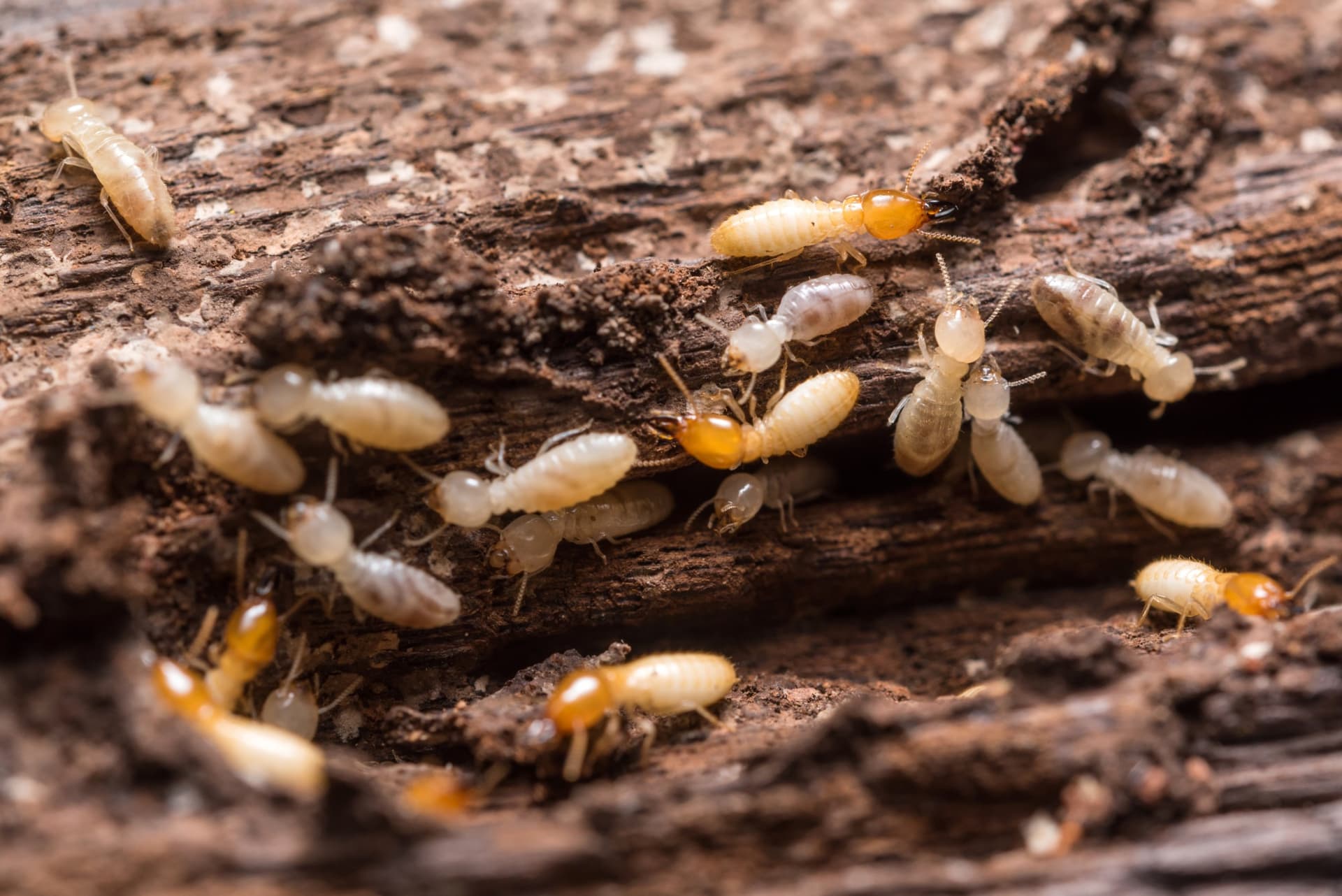
Subterranean termites live in the soil and need moisture to survive. Basements and crawlspaces sit closest to both.
In Northern Virginia and Southern Maryland, homes often have:
That combination makes it easier for termites to move from the ground into structural wood without being noticed.
Crawlspaces, in particular, tend to have limited airflow and hidden framing. Basements can have small cracks, utility entry points, or moisture seepage. These are exactly the conditions termites look for.
- Damp soil conditions
- Seasonal humidity
- Older foundations or crawlspaces
What This Means for Your Home
If termites are going to show up, basements and crawlspaces are often where it starts.
That doesn’t mean every basement or crawlspace has termites. It means problems tend to hide there first. By the time activity shows up elsewhere, termites may have already been active below for a while.
For homeowners, this raises practical concerns:
The risk isn’t panic-worthy—but it is something you want inspected carefully.
- Hidden damage to floor framing
- Moisture staying unchecked
- Activity spreading upward into living areas
How Professionals Address It
A professional inspection gives extra attention to these areas because they tell the real story.
Inspectors look for:
From there, the plan focuses on exterior-first protection and correcting conditions that make these spaces attractive to termites. Interior treatment is only considered if inspection shows it’s necessary.
- Mud tubes on foundation walls or piers
- Moisture sources feeding activity
- Wood-to-soil contact
- Structural areas termites prefer to enter first
What Homeowners Can Do Now
Safe, non-DIY steps you can take:
You don’t need to crawl around regularly—but knowing these areas matter helps you stay ahead of problems.
- Keep crawlspaces and basements as dry as possible
- Fix leaks, seepage, or condensation issues
- Avoid storing cardboard or wood directly on floors
- Make sure vents and access points aren’t blocked
- Periodically look for mud tubes or damaged wood
The Experience Behind This Answer
This information is provided by Planet Friendly Pest Control, a locally owned pest control company serving Northern Virginia and Southern Maryland.
Our recommendations are based on real-world experience protecting homes in this region since 1998. We focus on inspection-first, exterior-focused termite control using the least amount of treatment necessary to protect the structure, families, and pets.
Every home is different. That’s why our guidance is based on how termites actually behave in local soil, moisture, and construction conditions—not generic advice or one-size-fits-all solutions.
When to Call a Professional
If your home has a crawlspace or basement—and especially if it’s older—regular inspections are a smart investment. These areas are often out of sight but carry the highest risk.
An inspection can confirm whether conditions are normal or if termites are already taking advantage of them. Early awareness almost always means simpler solutions.
If you’re in Northern Virginia or Southern Maryland, Planet Friendly Pest Control focuses inspections where risk is highest—basements, crawlspaces, and foundations—so nothing important gets missed.
Common Questions
Are crawlspaces riskier than basements? Often yes, due to limited airflow and higher moisture.
Does a dry basement mean no termites? Not necessarily. Even small moisture sources can be enough.
Are these areas always treated? Only if inspection shows it’s needed. Inspection comes first.
Should new homes be concerned too? Yes. New construction can still have moisture and soil contact risks.
Ready to book your free inspection?
Hundreds of Google reviews across our verified service locations. Schedule a free, no-obligation inspection and we’ll start with the exterior — where most problems begin.