
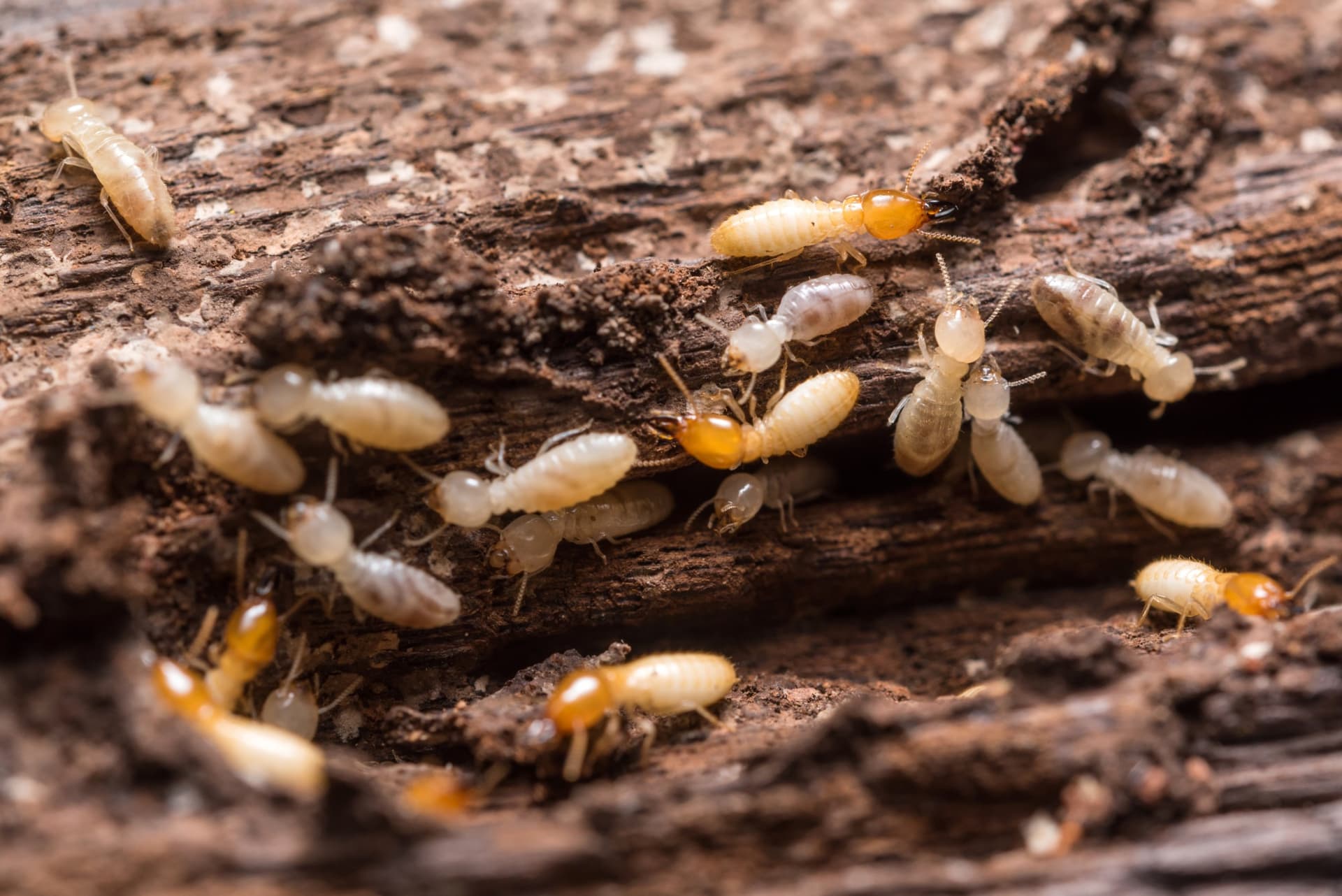
Termite Control
What do termite mud tubes look like?
Answers about termite control in Southern Maryland & Northern Virginia.
Termite mud tubes look like thin, pencil-sized tunnels made of dirt and soil, usually found along foundations, basement walls, or crawlspaces. Termites use these tubes to travel safely between the soil and the wood in your home without being exposed to air or light.
Trusted Local Experience
Gene Wright began professional pest work in 1998, and founded Planet Friendly Pest Control in 2010 to bring that experience to homeowners across Northern Virginia and Southern Maryland.
Why This Happens
In our area, most termite activity comes from subterranean termites that live underground. These termites need moisture and protection, so they build mud tubes as covered highways from the soil to the wood they feed on.
The tubes are made from soil, saliva, and wood particles. This keeps the inside humid and dark—perfect conditions for termites to survive while traveling back and forth.
Because homes in Northern Virginia and Southern Maryland often have basements, crawlspaces, and wood framing close to soil, mud tubes are a very common early warning sign.
What This Means for Your Home
Seeing a mud tube usually means termites are actively traveling to or from the structure. It doesn’t always mean there is major damage yet, but it does mean the home is being used as a food source.
Mud tubes are often found in places homeowners don’t look often, like behind storage items, along foundation walls, or inside crawlspaces. That’s why they can go unnoticed for long periods.
The presence of a tube tells us something important: termites have found a protected path into the home. Ignoring it gives them more time to feed and expand.
How Professionals Evaluate Mud Tubes
A professional doesn’t just remove the tube and move on. The key is understanding where it leads and why it’s there.
An inspection looks at:
In some cases, tubes are discovered early and damage is minimal or nonexistent. In others, the tube is a sign of longer-term activity that needs to be addressed thoughtfully.
- Whether the tube is active or old
- Where it originates in the soil
- What wood or structural areas it connects to
- What conditions allowed it to form
What Homeowners Can Do Now
If you see something that looks like a mud tube:
Removing the tube without understanding the source doesn’t solve the problem and can actually make activity harder to detect.
- Don’t scrape it away before it’s inspected
- Avoid spraying or disturbing the area
- Take note of where it’s located
- Check nearby areas for similar tubes
- Schedule a professional inspection
The Experience Behind This Answer
This information is provided by Planet Friendly Pest Control, a locally owned pest control company serving Northern Virginia and Southern Maryland.
Our recommendations are based on real-world experience protecting homes in this region since 1998. We focus on inspection-first, exterior-focused termite control using the least amount of treatment necessary to protect the structure, families, and pets.
Every home is different. That’s why our guidance is based on how termites actually behave in local soil, moisture, and construction conditions—not generic advice or one-size-fits-all solutions.
When to Call a Professional
Any suspected mud tube is worth having inspected. Because termites stay hidden, this is one of the clearest visible signs homeowners ever get.
A professional inspection confirms whether the tube is active, how termites are accessing the home, and what prevention or protection makes sense moving forward. Clear answers early often prevent costly repairs later.
Common Questions
Are mud tubes always active? Not always. Some are old or abandoned, which is why proper evaluation matters.
Can mud tubes appear indoors? Yes. They’re often found on basement or crawlspace walls and behind stored items.
Should I break the tube to see if termites are inside? No. Disturbing it can hide evidence without addressing the cause.
Ready to book your free inspection?
Hundreds of Google reviews across our verified service locations. Schedule a free, no-obligation inspection and we’ll start with the exterior — where most problems begin.