
Pest Control Solutions in Loveville MD for Homes With Pets
(And What Actually Solves Pest Problems Long-Term)
Free & no obligation · By appointment · Loveville & Calvert County
Local overview · Loveville MD
Understanding Pest Activity in Loveville
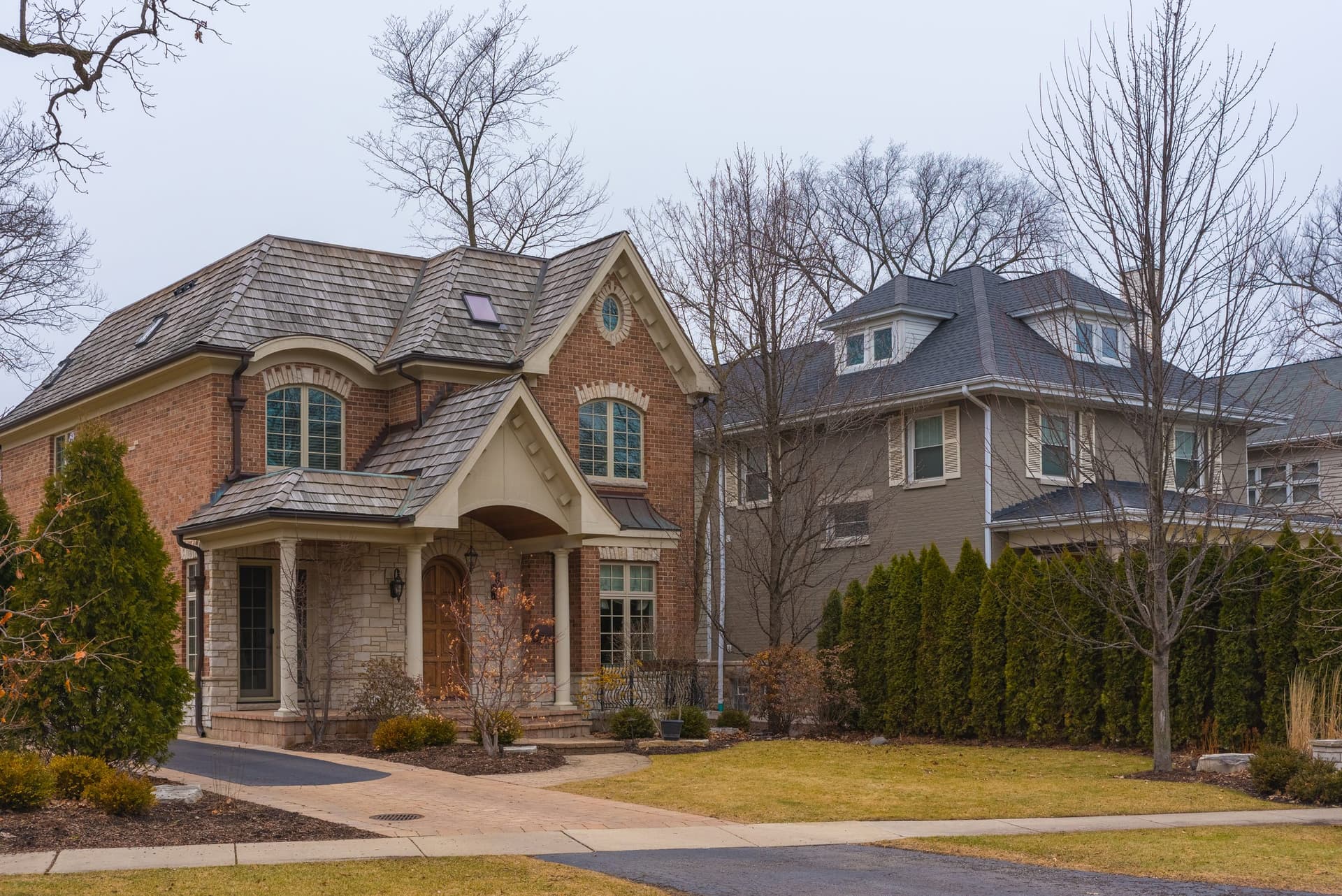
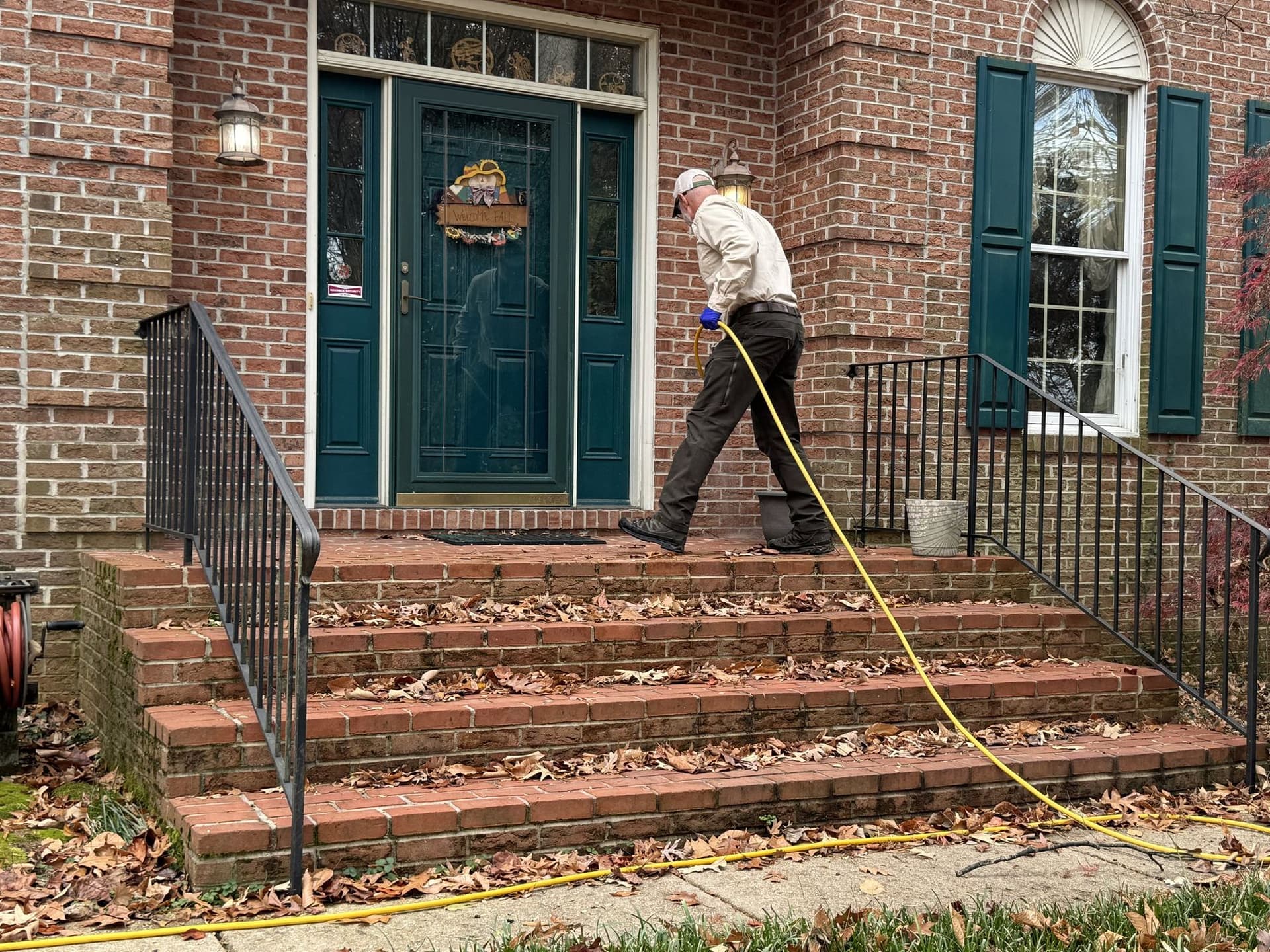
In Loveville Maryland, pest problems typically begin outside the home due to rural landscapes, farmland, and Southern Maryland's humid climate. Ants, rodents, termites, spiders, ticks, and mosquitoes develop in the surrounding environment before becoming noticeable indoors. Effective pest control in Loveville starts with a detailed exterior inspection to identify where pest activity originates and what conditions are supporting it. For homes with pets, a thoughtful approach focuses on understanding outdoor pest behavior and using targeted treatments only when necessary.
Loveville is a rural agricultural community in St. Mary's County where homes are surrounded by farmland, wooded areas, and open land. Properties are typically larger and more spaced out, creating a strong connection between the home and the surrounding environment.
Homes in Loveville often include crawlspaces, barns, sheds, detached garages, and other outbuildings that interact directly with natural conditions. Many properties are bordered by fields or wooded edges, which serve as ideal environments for pest populations to develop outdoors.
Because of the rural setting, pest activity in Loveville is driven primarily by environmental conditions such as moisture, vegetation, and wildlife movement rather than residential density.
Why Pest Problems Often Start Around Homes in Loveville
Where it starts
- Ants
- Rodents
- Ticks
- Mosquitoes
Pests in Loveville develop naturally in outdoor environments before interacting with homes.
Moist soil supports ant and termite colonies near foundations. Rodents establish nesting areas in fields and wooded areas before entering homes through small openings.
Ticks develop in vegetation and wildlife pathways, while mosquitoes rely on standing water and shaded conditions. Exterior lighting attracts insects, which then attract spiders.
These environmental conditions create consistent pest pressure around homes, meaning pest problems typically begin outside.
How Pests Behave Around Homes in Loveville
Pest behavior in Loveville reflects its agricultural and wooded environment.
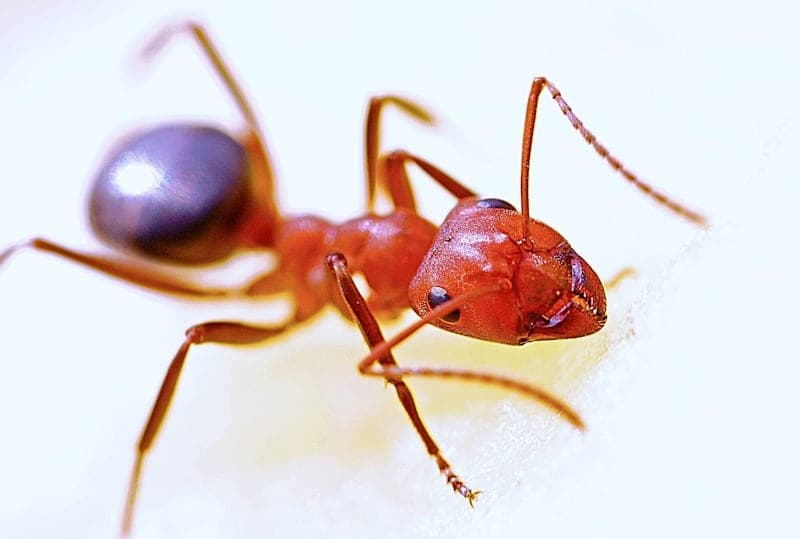
Ant colonies commonly develop in soil, mulch, and organic material near foundations where moisture is present. Termites rely on these same damp conditions and are often active near crawlspaces and areas where wood is in contact with soil.
Rodents frequently establish nesting areas along field edges, wooded boundaries, and beneath outbuildings before moving into crawlspaces and garages. These environments provide shelter and access to homes.
Ticks are commonly found in tall grass, wooded areas, and along property edges where wildlife travels. Mosquitoes develop in low-lying areas, drainage zones, and shaded environments where water collects.
Spiders gather around exterior lighting where insect activity is high, particularly near vegetation and open land.
Environmental Risk Factors in Loveville
Loveville's agricultural landscape creates ideal conditions for pest development. Farmland and wooded areas provide shelter and food sources for rodents and insects.
Humidity and rainfall contribute to moisture retention near foundations, supporting termite and ant activity. Soil often remains damp in shaded or low-lying areas.
Outbuildings, barns, and woodpiles provide additional shelter for pests. Limited development allows pest populations to grow naturally without disruption.
Common Pest Conditions in Loveville
01 — Common Pest
Agricultural Fields and Property Edges
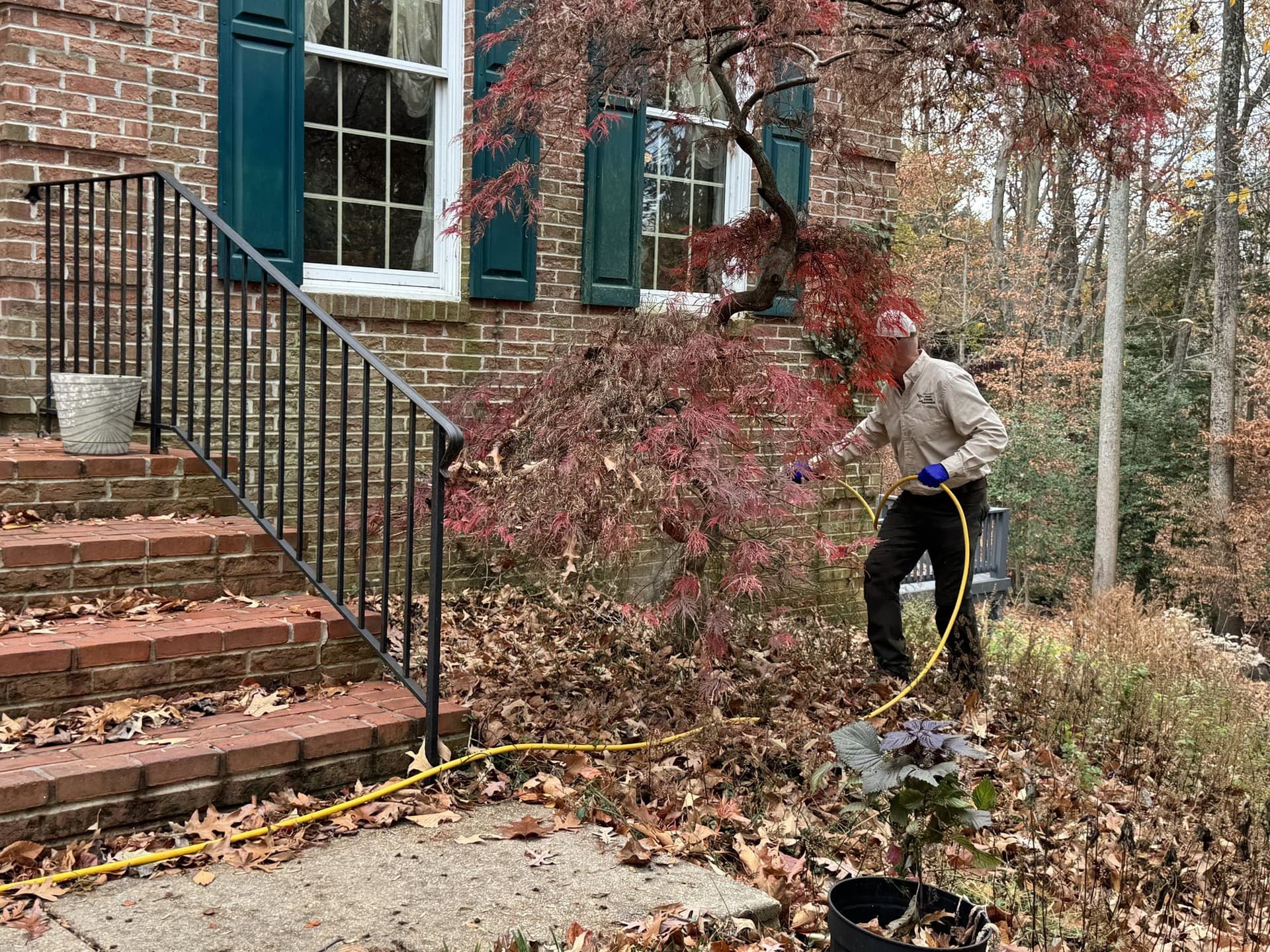
Homes in Loveville are often surrounded by farmland and open land. During inspections, these areas frequently show rodent burrowing activity and wildlife movement, creating ongoing pest pressure near structures.
 Condition 01
02 — Common Pest
Wooded Areas and Natural Boundaries
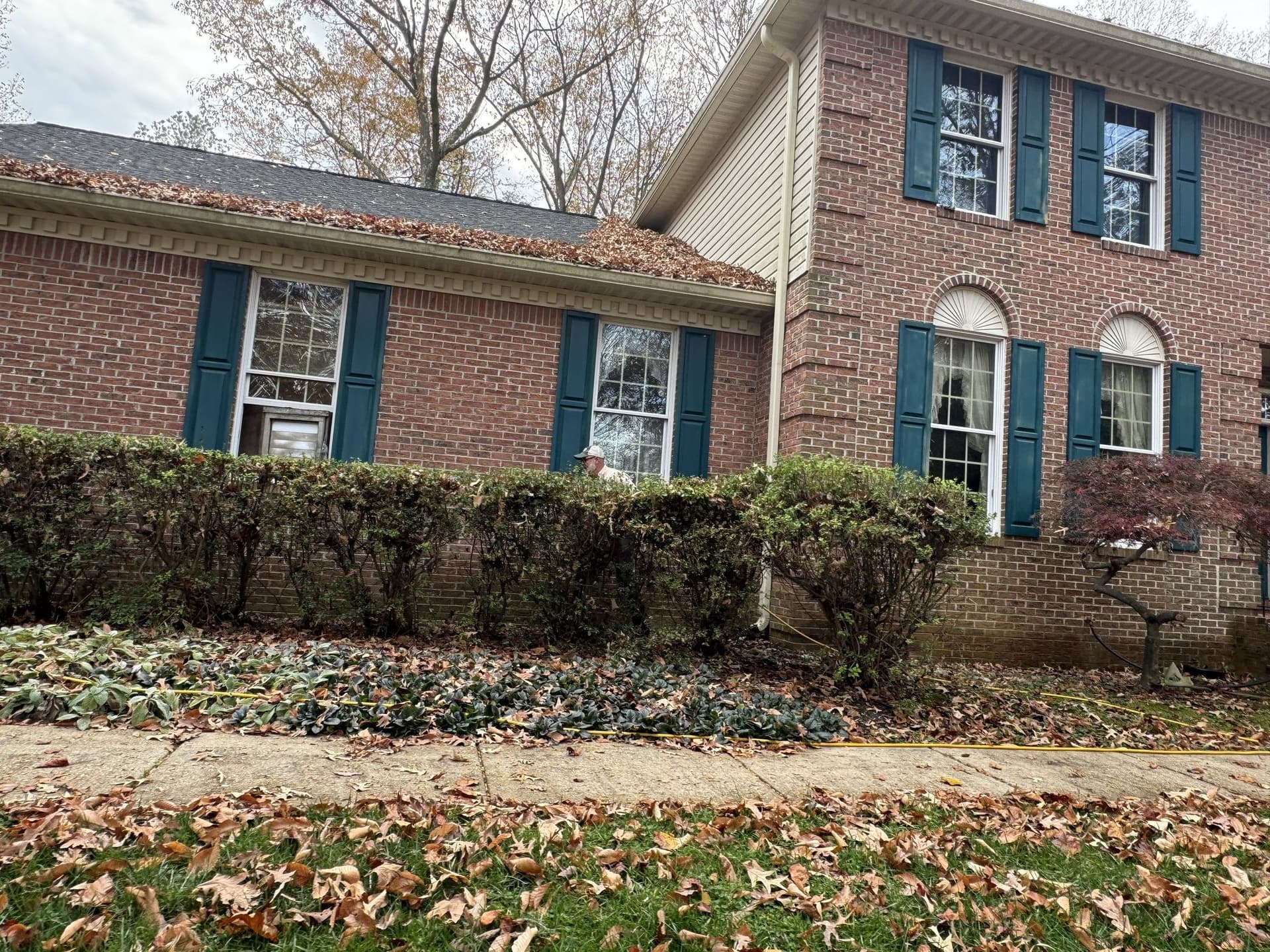
Many properties border wooded areas that provide shelter for rodents and ticks. During inspections, these zones commonly show pest activity along transition areas between woods and open land.
 Condition 02
03 — Common Pest
Moisture Around Foundations and Crawlspaces
Natural terrain and environmental conditions contribute to damp soil near homes. During inspections, these areas frequently support ant colonies and termite activity near structural components.
 Condition 03
04 — Common Pest
Outbuildings and Barn Structures
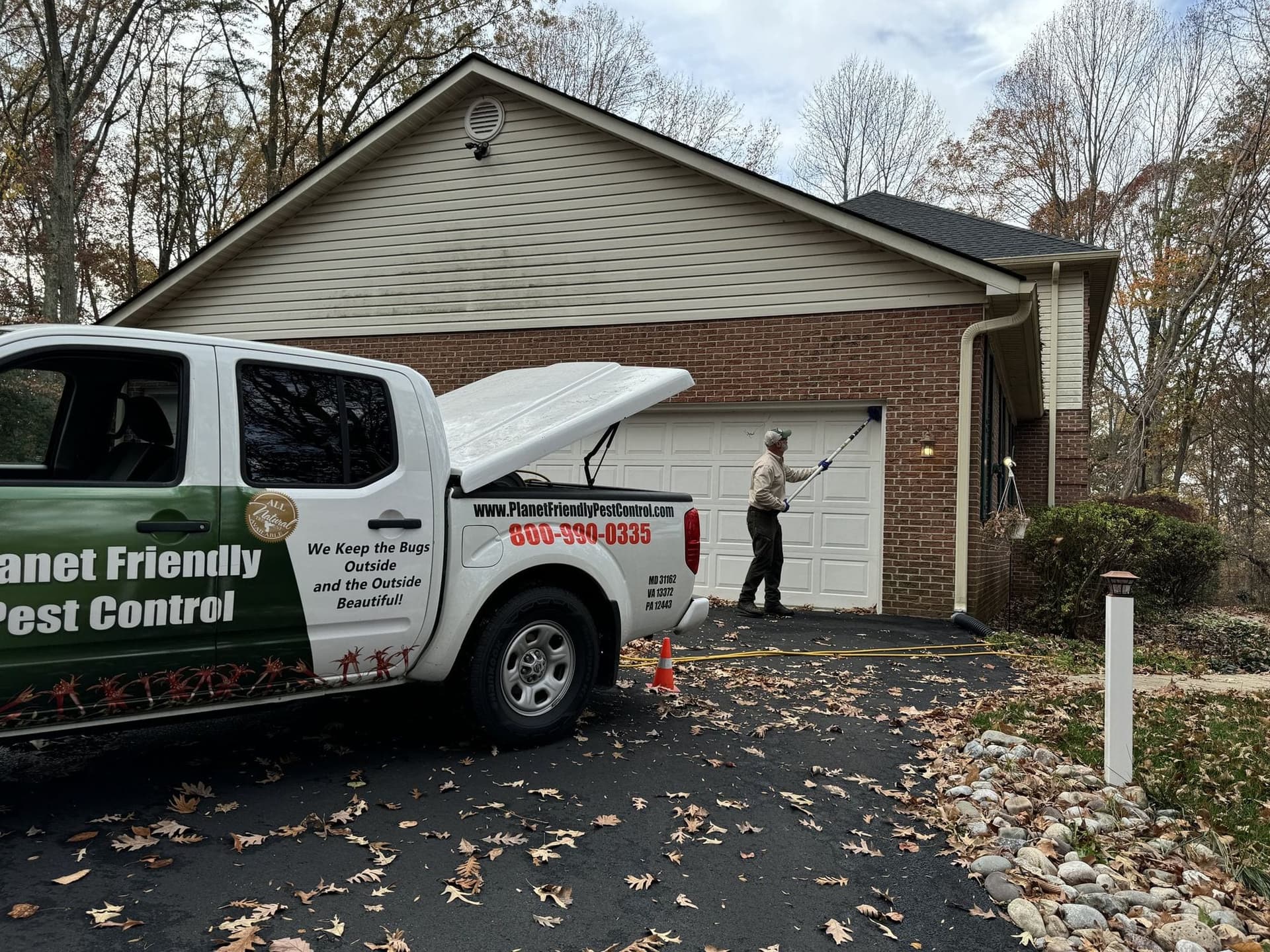
Barns, sheds, and detached garages provide ideal shelter for pests. During inspections, rodent nesting is often found beneath or inside these structures.
 Condition 04
05 — Common Pest
Tall Grass and Vegetation
Unmanaged vegetation creates ideal conditions for ticks and insects. During inspections, these areas frequently show pest presence, particularly where shade and moisture are present.
 Condition 05
What We Commonly See During Pest Inspections in Loveville
- 01
During inspections across Loveville, technicians consistently observe pest activity developing in outdoor environments tied to agricultural and rural conditions.
- 02
Rodent burrows are often found along field edges, wooded areas, and beneath outbuildings before indoor activity is noticed. Ant colonies are commonly located in soil and organic material near foundations where moisture is present.
- 03
Termite activity is frequently associated with crawlspaces and damp soil conditions near structural wood. Tick activity is often observed along wooded property lines and tall grass areas.
- 04
These patterns clearly show that pest activity begins outside the home.
Pest Issues Common in Loveville
Rodent Activity in Loveville
Rodents are highly active in Loveville due to farmland and natural habitat. During inspections, nesting activity is often found along field edges, beneath structures, and near wooded areas.
As environmental conditions change, rodents may move into crawlspaces, garages, and storage areas through small openings.
Termite Risk in Loveville
Termites thrive in Loveville due to consistent moisture and wood exposure. During inspections, activity is often found near foundations and areas with wood-to-soil contact.
Crawlspaces with elevated moisture levels significantly increase termite risk.
Roach Activity in Loveville
Roach activity is influenced by moisture and indoor environmental conditions such as kitchens and crawlspaces. Outdoor environments may also contribute to their presence near homes.
Roaches may enter through small openings and are often linked to environmental conditions outside.
General Pest Activity (Ants, Spiders, and Other Insects)
Ants, spiders, and moisture-driven insects are commonly found around foundations, wooded edges, and exterior lighting. Seasonal conditions influence their presence indoors.
Seasonal Pest Activity Timeline
Pest pressure shifts with the seasons — here is what typically drives activity through the year.
| Season | Common Pest Activity |
|---|---|
| Spring | Ant colonies expand and termite swarms may occur |
| Summer | Mosquito, tick, and spider activity increases |
| Fall | Rodents move toward homes seeking shelter |
| Winter | Indoor pest activity becomes more noticeable |
Regional field guide
Regional Pest Pattern Table
How the most common pests move from an outdoor source toward the home — and where activity usually starts.
| Pest | Common Source | Where Activity Begins |
|---|---|---|
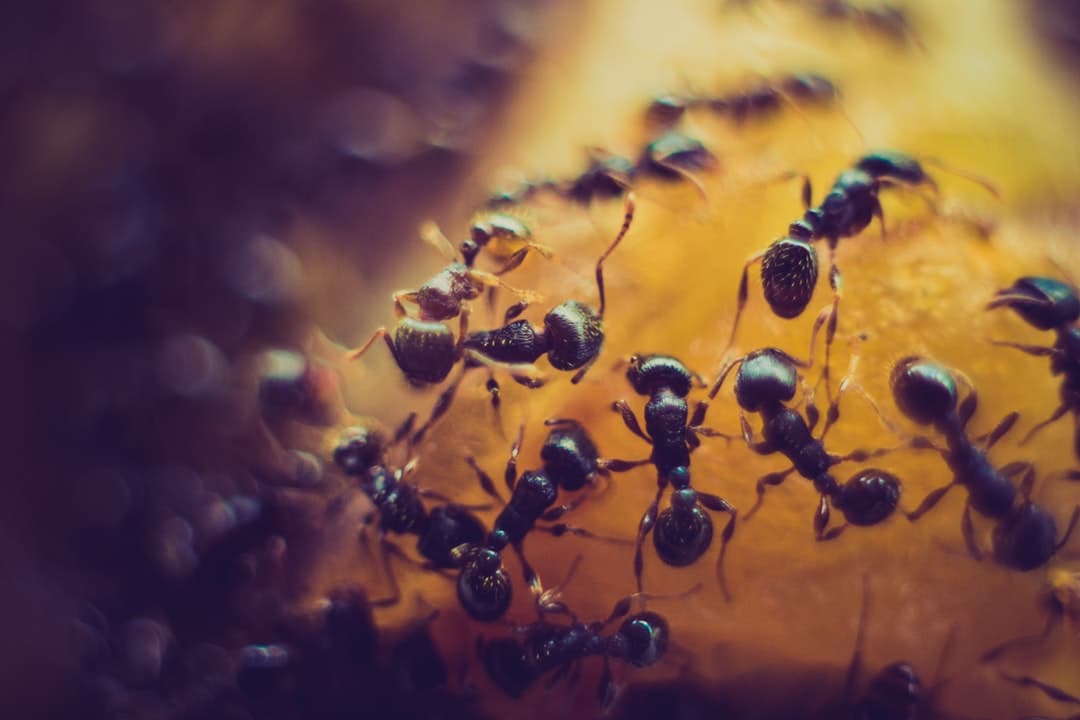 Ants Ants | Soil and organic material | Foundation edges |
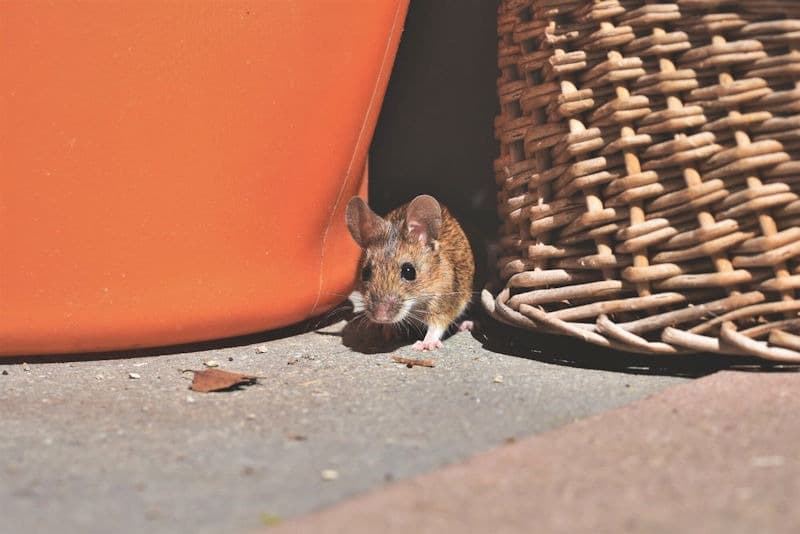 Rodents Rodents | Fields and wooded areas | Crawlspaces and garages |
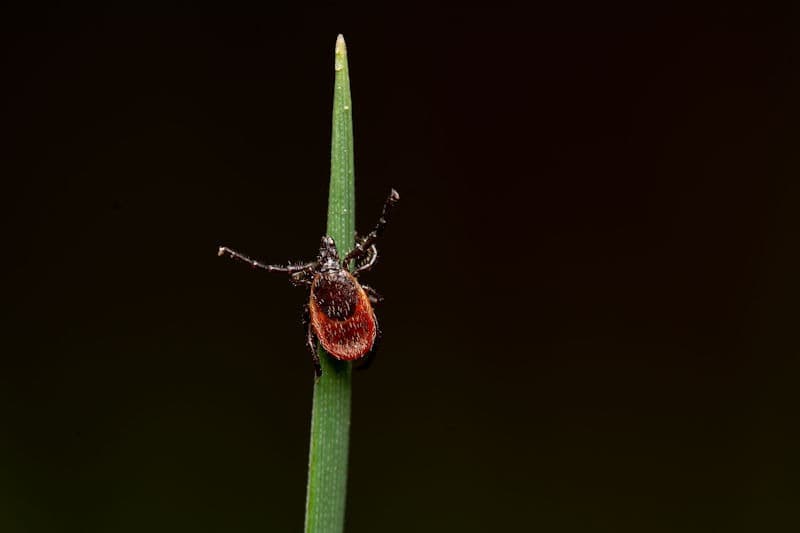 Ticks Ticks | Tall grass and vegetation | Yard edges |
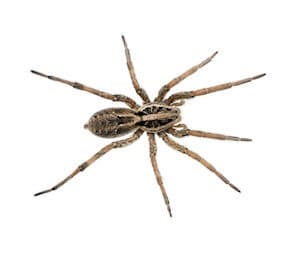 Spiders Spiders | Flying insects | Exterior lighting |
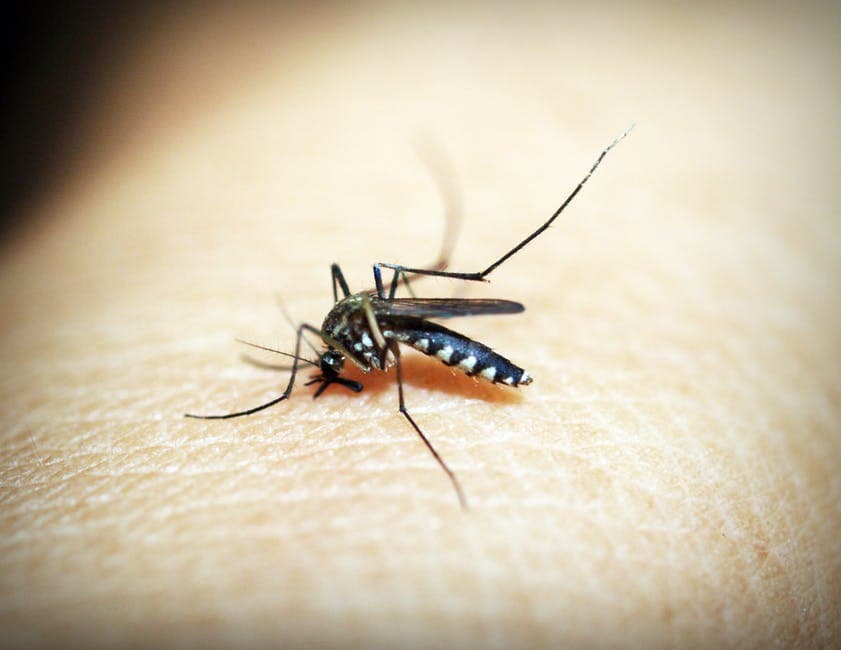 Mosquitoes Mosquitoes | Standing water | Low-lying areas |
Home Inspection Checklist for Loveville
In Loveville, inspections focus on how agricultural surroundings, rural landscapes, and property layout influence pest activity around the home.
During inspections, open land and field edges frequently show rodent burrowing activity and wildlife movement. These areas are commonly identified as primary sources of pest pressure.
Wooded edges surrounding properties often show rodent and tick activity. During inspections, these zones are key areas where pest activity begins.
Soil near foundations often remains damp due to environmental conditions. During inspections, these areas frequently support ant colonies and termite activity.
Barns and sheds provide shelter for pests. During inspections, rodent nesting is commonly observed beneath or inside these structures.
Tall grass and unmanaged vegetation support tick and insect activity. During inspections, these areas frequently show pest presence.
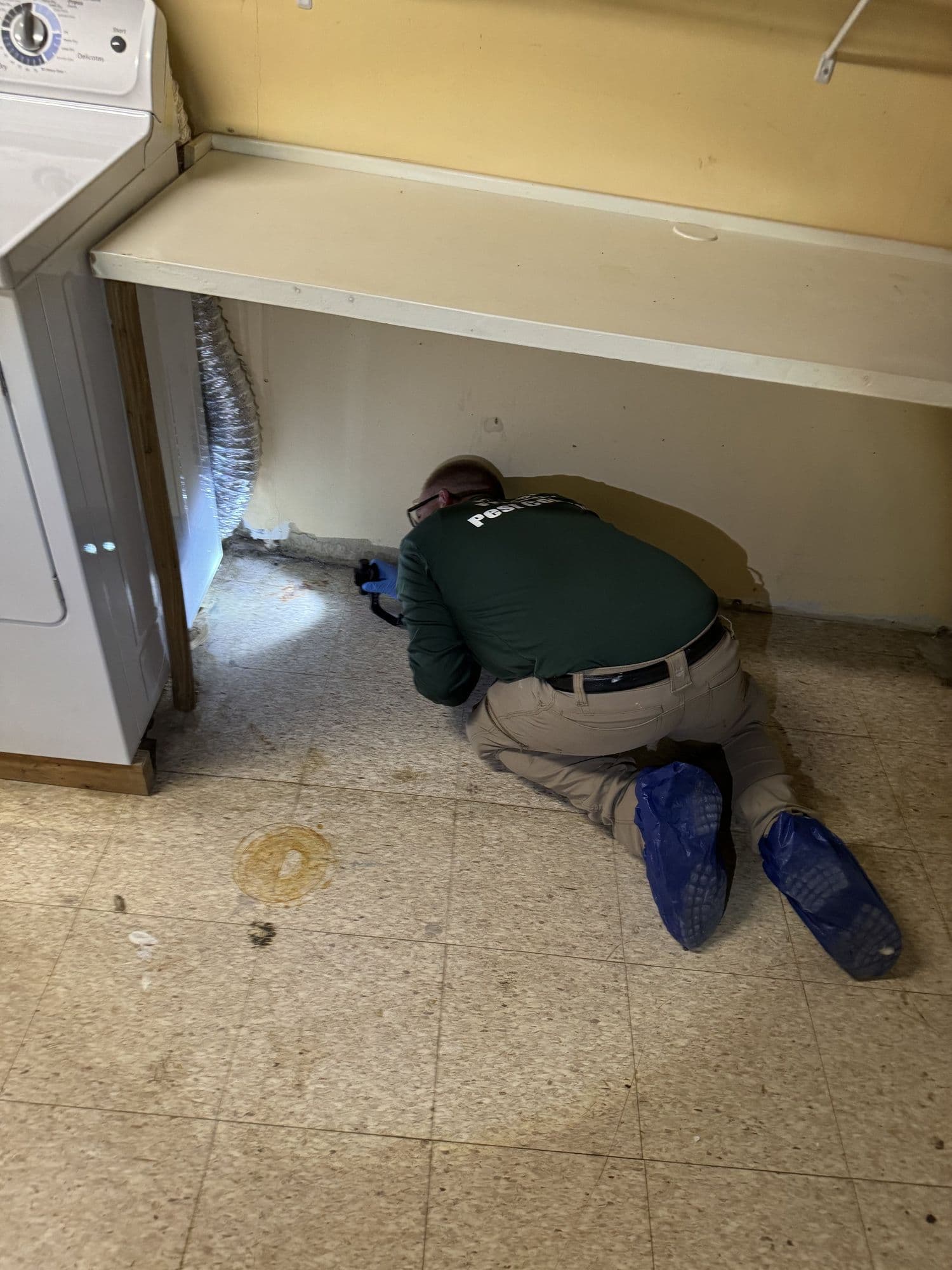
Crawlspaces often reflect surrounding environmental conditions. During inspections, moisture and structural gaps are commonly observed, supporting termite activity and allowing rodent entry.
How PFPC Approaches Homes in This Area
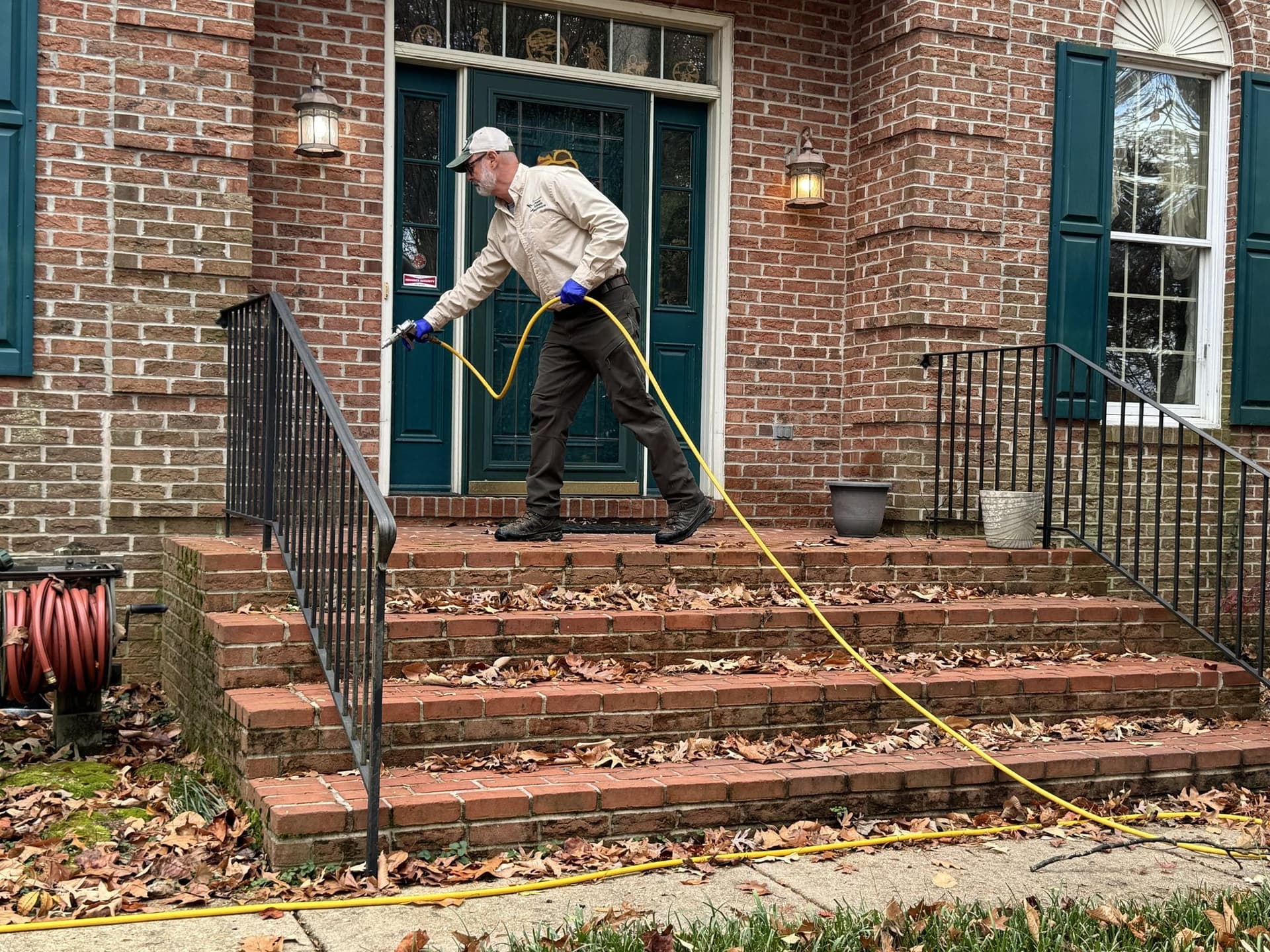
Planet Friendly Pest Control approaches pest protection in Loveville by focusing on environmental conditions and structural factors that influence pest activity. Inspections begin with a detailed evaluation of the exterior, including moisture levels, vegetation, and surrounding land use.
Treatments are applied only when necessary and are targeted to address the source of pest activity while minimizing product use. This reflects PFPC's philosophy that pest problems are condition problems, not treatment problems, and supports homes with pets through thoughtful, inspection-driven decisions.
Our process
- Step 01
Inspect exterior conditions
- Step 02
Identify why pests are active
- Step 03
Targeted, minimal treatment
- Step 04
Clear findings & recommendations
Pest Control Plans
Straightforward monthly protection
Fixed monthly pricing, month-to-month — no long-term contracts. Bed bugs and termites are not covered by any plan; rodent coverage means mice and rats.
BugBlock
Seasonal Pest Protection
$99/mo
Month-to-month · no long-term contract
General insect pests.
Not included: Bed bugs, cockroaches, termites, pantry pests, mice, rats, ticks, fleas, carpet beetles, stinging insects, and mosquitoes.
PestBlock
Year-Round Home Protection
$159/mo
Month-to-month · no long-term contract
Everything in BugBlock plus cockroaches, pantry pests, mice & rats, ticks, and stinging insects such as wasps, hornets, and carpenter bees.
Not included: Bed bugs, termites, mosquitoes, fleas, and carpet beetles.
MaxBlock
Complete Pest & Mosquito Protection
$279/mo
Month-to-month · no long-term contract
Everything in PestBlock plus mosquitoes.
Not included: Bed bugs, termites, fleas, and carpet beetles.
Our guarantee
If a covered pest returns while the customer's service is active, Planet Friendly Pest Control will return and address the problem at no additional charge.
Flea and carpet beetle services may be available to established PestBlock and MaxBlock clients following inspection — not included as standard plan coverage.
Pest Protection for Homes in Loveville and Nearby Communities
Planet Friendly Pest Control provides pest protection throughout Loveville and nearby communities including Leonardtown, Mechanicsville, Compton, and Morganza. These areas share similar rural and environmental conditions that influence pest behavior.
Nearby community pages
Reviews
Hear From Our Happy Customers
Hundreds of Google reviews across our verified service locations.
Excellent on Google
Josh F.
Google review · Sep 2026
Alex was great! Very professional and explained the whole process before doing any work. We had a wasp nest in our wall, getting in through a seam between our brick and siding. I thought it would be a costly problem, but it was taken care of in about 15 minutes.
Amy B.
Google review · Sep 2026
I am very pleased with the work of Planet Friendly Pest Control. I had a large wasp nest in the garage and they came out to treat it the same day! The process was clear and professional. I was told the price when I called and they didn't try to upsell me on a monthly or quarterly contract. As mentioned above, they came out the same day I called and they texted me when they were on their way. They treated the nest and then came back a week later to confirm it was taken care of and removed the nest. It's now been a couple of weeks since the initial visit and no sign of new wasps! I would not hesitate to use them again.
Cheryl P.
Google review · Aug 2026
Tech was very nice, explained what the chemical is designed to do.
Patrick H.
Google review · Jul 2026
I want to sincerely thank Planet Friendly Pest Control and its owner, Gene Wright, for their immediate response and action to deal with a hive of Bald Face Hornets who, unbeknownst to me, had taken home in a fair size shrub at the back of my house. As I attempted to trim the shrub, I was swarmed by Hornets and stung 8 or 9 times before I could get to safety. I left my tractor and tools in a hurry and was afraid to retrieve them until the bee issue was addressed. Again, PFPC responded quickly and allowed me to get my tools and continue my recovery from the bee stings. I considered the price to be very fair for the treatment of the issue at hand and the sharing of knowledge to avoid further such mishaps. I will only call PFPC when in need of pest control.
Betty E.
Google review · Jul 2026
Roger came out and killed hornets in large nest on our house. It was taken care of the day after I called for service.
Ken C.
Google review · Jun 2026
Planet Friendly has been doing our pest control for several years now. They are reliable, and perform a great service for us. We are notified by email when the appointment is confirmed. They are always professional and knowledgeable.
Nikole R.
Google review · Jun 2026
Really appreciate Roger coming out to the house to not only treat for common insects that like to make their way into the house (regularly scheduled maintenance), but also exterminate a hornet nest we found on our deck this last week. Great service, arrives on schedule (and sends a text with arrival time when he’s on his way), and most importantly - no critters coming inside my house - or hornets potentially stinging us. Recommend Planet Friendly Pest Control to anyone looking for an exterminator.
Kathleen M.
Google review · Jun 2026
Great service. No bugs in the house! They quietly and quickly get the job done, no hastle.
San D.
Google review · Jun 2026
Roger was very kind and professional. He did an excellent job attending to areas of the exterior of our home that required extra attention.
Patti W.
Google review · Jun 2026
Gene Wright came highly recommended by multiple neighbors. He came out the same day I called and showed great knowledge about our mouse problem! Gene was responsible, knowledgeable and a delight to deal with. We highly recommend Planet Friendly Pest Control.
Denise A.
Google review · Apr 2026
This is my third year using Planet Friendly to control ants in my home. I have yet to see an ant. What a relief. This is a real necessity where I live. Thank you.


Frequently Asked Questions
Still have a question about Loveville MD?
Talk to a local expert — no pressure, no obligation.
Common Pest Problems
Health and Safety Concerns for Homes With Pets
How Professionals Solve Pest Problems
Timing, Cost, and Expectations
Chapter 08
Helpful Local Guides
A Practical First Step
In Loveville, pest activity is shaped by rural landscapes, agricultural surroundings, and how homes interact with the surrounding environment.
A detailed inspection helps identify where pest activity begins and what conditions are supporting it. Understanding these patterns allows homeowners to make informed decisions about pest protection while maintaining a comfortable environment for homes with pets.