
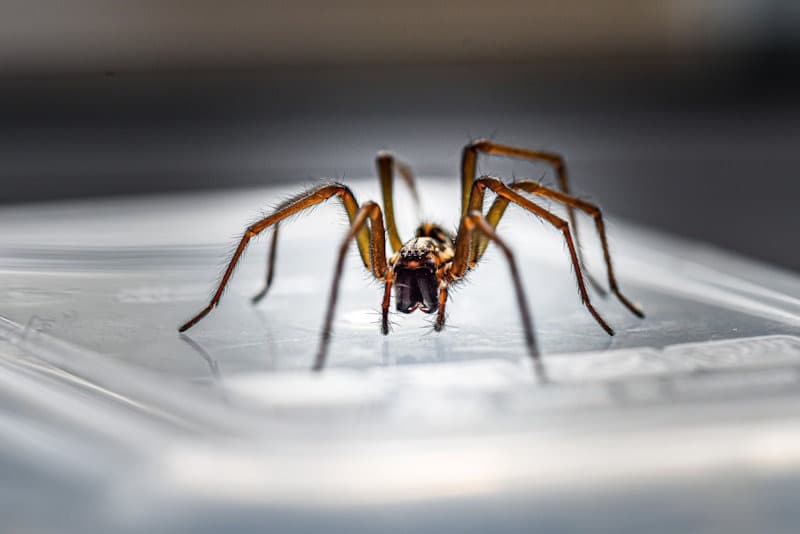
Spider Control
Do spiders trigger allergies?
Answers about spider control in Southern Maryland & Northern Virginia.
No. Spiders themselves do not cause allergies. They don’t shed allergenic material like some pests do. Dust buildup around webs may irritate sensitive people, not the spiders.
Trusted Local Experience
Gene Wright began professional pest work in 1998, and founded Planet Friendly Pest Control in 2010 to bring that experience to homeowners across Northern Virginia and Southern Maryland.
Why This Happens
Homeowners often connect spiders with allergy symptoms because webs collect dust and debris over time.
Spiders don’t produce dander, saliva, or airborne particles that trigger allergic reactions. They simply build webs in quiet areas where dust already settles.
In places like basements, garages, and storage rooms—especially common in homes across Northern Virginia and Southern Maryland—air movement is low, so dust naturally accumulates. Webs just make it more visible.
What This Means for Your Home
If someone in your home has allergies or asthma, spiders are not the cause.
However, dust, pollen, and debris caught in webs can irritate people who are already sensitive—especially if webs are left undisturbed for long periods.
The spider isn’t creating the problem. It’s highlighting areas where dust and insect activity already exist.
What Thorough Pest Control Involves
Some companies quietly suggest spiders are a health concern to justify aggressive treatments.
The truth is, treating spiders doesn’t improve allergies. Cleaning dust and reducing insect activity does.
Removing spiders without addressing dust buildup or insect entry just leads to more webs—and the same irritation.
How Professionals Address It
Professionals don’t treat spiders as an allergy issue.
The process starts with an inspection to identify:
Control focuses on reducing insects outside the home first, so spiders stop building webs indoors. Interior treatment is only used when activity is excessive.
This approach improves comfort without unnecessary exposure.
- Where insects are active
- Why spiders are building webs in certain areas
- Conditions that allow dust and pests to collect
What Homeowners Can Do Now
You can reduce irritation safely with simple steps:
Avoid foggers or sprays aimed at spiders. These don’t help allergy symptoms and don’t address the cause.
- Remove visible webs during routine cleaning
- Reduce clutter in basements and storage areas
- Keep boxes and stored items off floors
- Seal obvious gaps where insects enter
- Monitor areas where webs return repeatedly
When to Call a Professional
If webs keep returning and dust buildup is constant, it usually means insects still have easy access to the home.
A professional inspection can identify entry points and conditions that allow both insects and spiders to persist.
Fixing those issues reduces webs, dust collection, and ongoing irritation—without over-treating the home.
Common Questions
Can spider webs cause allergy symptoms? The web itself doesn’t—but trapped dust can irritate some people.
Do spiders produce allergens? No. Spiders don’t shed allergenic material.
Is this common in our area? Yes. Homes with basements and garages see this often.
Written by Planet Friendly Pest Control, serving Northern Virginia and Southern Maryland since 1998. This guidance reflects decades of hands-on inspection experience using outside-first, minimal-product pest control methods focused on long-term prevention and home protection.
Ready to book your free inspection?
Hundreds of Google reviews across our verified service locations. Schedule a free, no-obligation inspection and we’ll start with the exterior — where most problems begin.