
Tick Control
Do tick treatments harm beneficial insects?
Answers about tick control in Southern Maryland & Northern Virginia.
Proper tick treatments do not have to harm beneficial insects. Targeted methods focus on where ticks live, which minimizes impact on non-target insects—this is why placement matters.
Trusted Local Experience
Gene Wright began professional pest work in 1998, and founded Planet Friendly Pest Control in 2010 to bring that experience to homeowners across Northern Virginia and Southern Maryland.
Why This Happens
Ticks don’t live where most beneficial insects do.
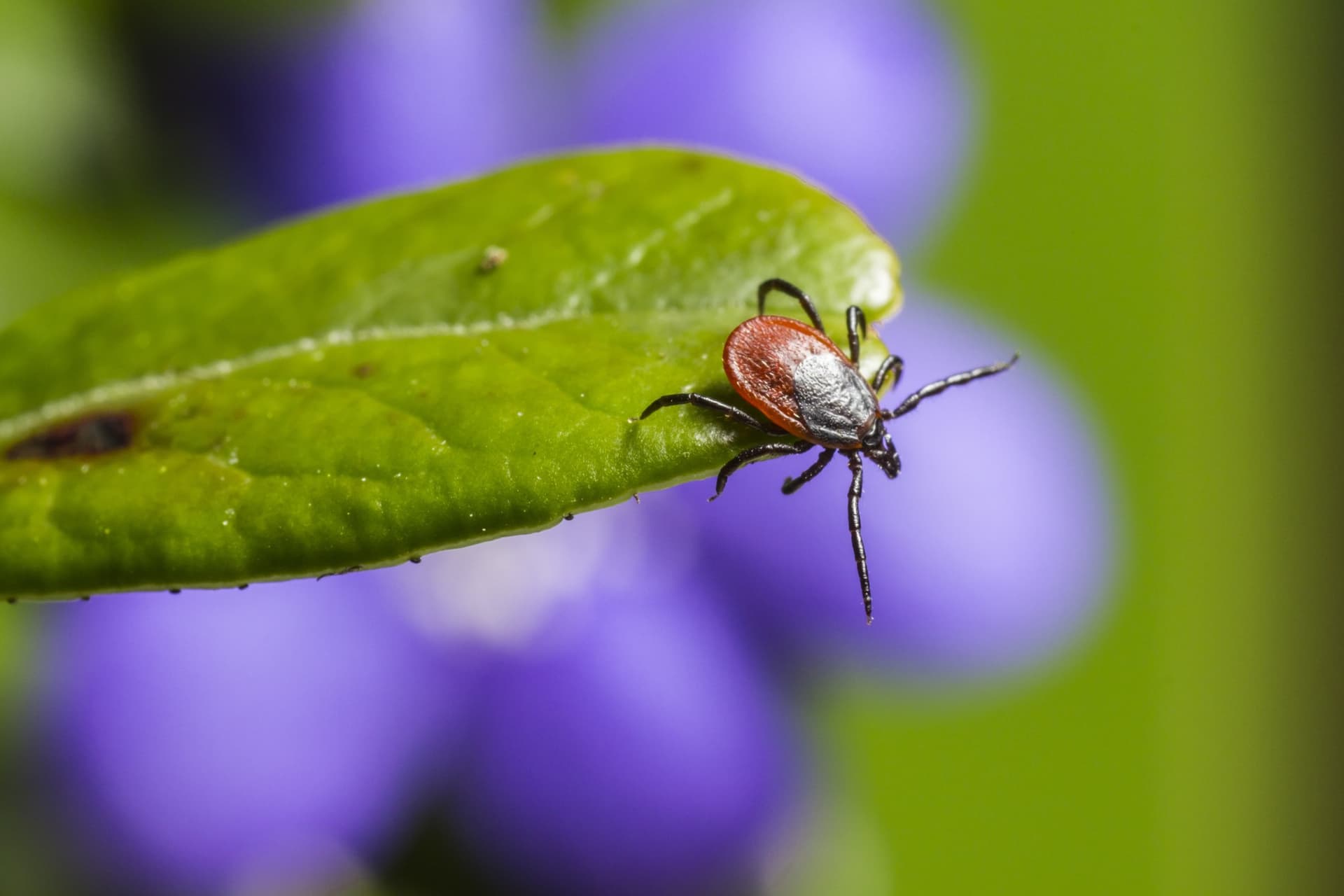
Bees, butterflies, and other helpful insects spend time on flowers, sunny plants, and open areas. Ticks prefer the opposite—cool, shaded, moist ground cover like leaf litter, mulch, and dense edges.
Problems happen when tick control is done the wrong way. Broad, blanket treatments across the entire yard don’t distinguish between pests and beneficial insects.
In Northern Virginia and Southern Maryland, yards often include pollinator gardens, mature landscaping, and wooded borders. Knowing where to treat matters just as much as whether to treat.
What This Means for Your Home
Homeowners asking this question care about safety, the environment, and doing the right thing.
They want fewer ticks—but not at the expense of bees, birds, or the health of their yard. That concern is valid.
The truth is, most harm to beneficial insects comes from over-application and poor placement, not from responsible tick control itself.
When treatments are focused only where ticks actually live, beneficial insects are largely unaffected.
How Professionals Address It
Professional tick control is all about precision.
We inspect the property to find shaded edges, ground-level habitat, wildlife paths, and transition zones where ticks wait for hosts. Those are the only areas that need attention.
Treatments are exterior-first and limited to specific locations. Sunny lawns, flower beds, and pollinator areas are typically not where ticks live and are not the focus.
This inspection-driven approach protects beneficial insects while still reducing tick exposure effectively.
What Homeowners Can Do Now
Safe, non-DIY steps you can take:
Good tick control should never feel careless or excessive.
- Preserve sunny pollinator areas away from wooded edges
- Reduce leaf litter and debris where ticks hide
- Keep yard borders clean and defined
- Avoid broadcast or “whole-yard” treatments
- Ask providers how they protect non-target insects
When to Call a Professional
If you want tick protection without harming beneficial insects, professional placement matters.
An inspection-based approach ensures only necessary areas are addressed. That protects your family, your pets, and the balance of your yard.
This is one area where experience makes a real difference.
Common Questions
Do tick treatments kill bees? Targeted treatments avoid pollinator areas and greatly reduce risk.
Are natural yards incompatible with tick control? No. Control works best when habitat is managed correctly.
Is more treatment better? No. Precision is safer and more effective than overuse.
Written by Planet Friendly Pest Control, serving Northern Virginia and Southern Maryland since 1998. This guidance reflects decades of hands-on inspection experience using outside-first, minimal-product pest control methods focused on long-term prevention and home protection.
Keep reading
More Tick Control questions
Ready to book your free inspection?
Hundreds of Google reviews across our verified service locations. Schedule a free, no-obligation inspection and we’ll start with the exterior — where most problems begin.