
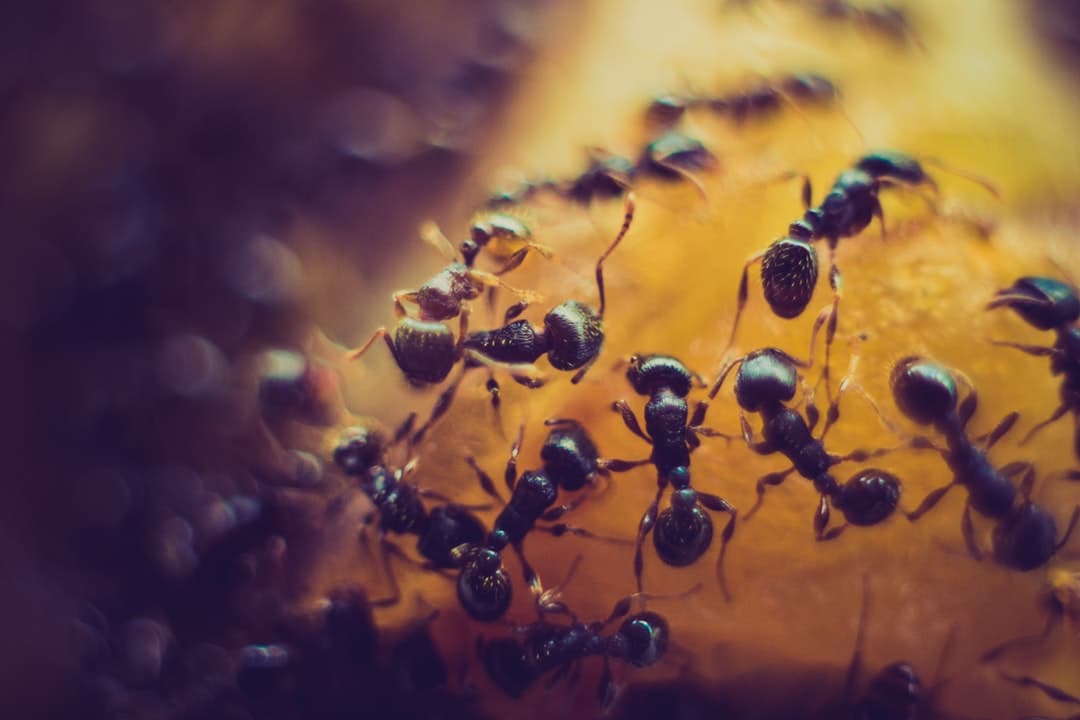
Ant Control
Are ants harmful to pets?
Answers about ant control in Southern Maryland & Northern Virginia.
Ants are usually not harmful to pets. Most ants are a nuisance only. However, stinging ants can cause irritation if a pet disturbs them or encounters a nest.
Trusted Local Experience
Gene Wright began professional pest work in 1998, and founded Planet Friendly Pest Control in 2010 to bring that experience to homeowners across Northern Virginia and Southern Maryland.
Why This Happens
This is a very common concern we hear from pet owners across Northern Virginia and Southern Maryland. Dogs and cats spend more time on floors, near food bowls, and along baseboards—exactly where ants tend to travel.
Most household ants are small nuisance species. They don’t seek out pets and won’t attack them. In most cases, pets may notice ants before people do simply because of where they explore.
Stinging ants are less common indoors, but they do exist in our region. If a pet steps on or disturbs a nest outdoors—or encounters ants traveling through a wall void—minor stings can happen.
What This Means for Your Home
For most homes, ants pose a low risk to pets. The bigger concern is repeated exposure around food bowls, water dishes, or sleeping areas.
Pets may paw at ants, sniff them, or try to eat them. This can lead to mild irritation around the mouth, nose, or paws, especially with sensitive animals.
If ants are frequently showing up where your pet eats or sleeps, it’s a sign there’s an access point or colony nearby—not a sign your pet is in danger, but something worth addressing.
How Professionals Address It
Pet safety should always come first. Proper ant control starts with an inspection, not aggressive interior treatment.
Professionals focus on:
The most effective approach is exterior-first control, which keeps ants out of living spaces and reduces the need for interior treatments near pets.
Interior work is only done when necessary and is always targeted and minimal.
- Identifying where ants are entering
- Reducing ant activity outside the home
- Correcting conditions that attract ants near pet areas
What Homeowners Can Do Now
Pet-conscious steps you can take include:
Avoid placing DIY products near pet bowls or sleeping areas. That often creates more risk than the ants themselves.
- Keep pet food sealed and pick up bowls between meals
- Clean up spilled food and water promptly
- Rinse pet bowls regularly
- Reduce moisture near feeding areas
- Seal visible cracks near baseboards
- Monitor where ants appear
When to Call a Professional
If ants keep returning to pet areas, or if you’re concerned about stinging ants outdoors, a professional inspection can help identify the source safely.
Stopping ants at the entry point protects pets, prevents irritation, and avoids unnecessary exposure to treatments inside the home.
Common Questions
Can ants hurt dogs or cats? Most ants cannot. Stinging ants may cause mild irritation.
Should I worry if my pet eats ants? Usually no, but it’s best to prevent repeated exposure.
Is this common locally? Yes. We regularly see ants near pet feeding areas in our region.
Why Homeowners Ask This Question
Pet owners want peace of mind. Seeing ants near bowls or bedding raises understandable concerns about bites, stings, or safety. Based on decades of local experience, ant risks to pets are usually low—but prevention still matters.
What Thorough Pest Control Involves
Some companies focus on eliminating ants without considering pets in the home. True prevention reduces ant pressure before ants reach pet areas, minimizing risk without over-treatment.
The Planet Friendly Local Approach
At Planet Friendly Pest Control, we’ve been protecting pets and families across Northern Virginia and Southern Maryland since 1998. Our inspection-driven, exterior-focused approach uses the least amount of product necessary to keep ants out—while prioritizing the safety of dogs, cats, and the people who love them.
Ready to book your free inspection?
Hundreds of Google reviews across our verified service locations. Schedule a free, no-obligation inspection and we’ll start with the exterior — where most problems begin.