
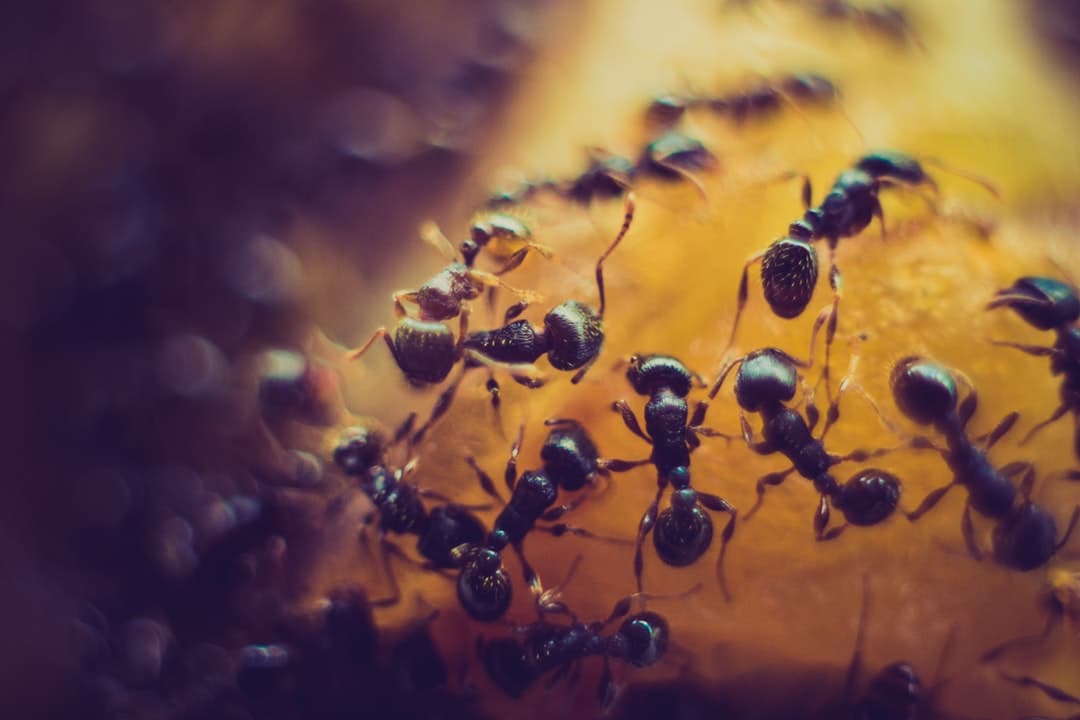
Ant Control
Can ants cause damage to my home?
Answers about ant control in Southern Maryland & Northern Virginia.
Some ants can cause damage, while others are mostly a nuisance. Carpenter ants can damage wood over time by nesting inside it. Most other common ants do not damage structures but can still become persistent indoor problems.
Trusted Local Experience
Gene Wright began professional pest work in 1998, and founded Planet Friendly Pest Control in 2010 to bring that experience to homeowners across Northern Virginia and Southern Maryland.
Why This Happens
Not all ants behave the same way. After inspecting homes across Northern Virginia and Southern Maryland for decades, we see two very different categories of ant activity.
Most ants—such as pavement ants, odorous house ants, and similar species—are nuisance invaders. They enter homes looking for food and moisture but do not chew or destroy wood.
Carpenter ants are different. They don’t eat wood like termites, but they excavate it to build nesting galleries. Damp or softened wood around windows, doors, roofs, or basements is especially attractive to them, which is why moisture issues often come first.
What This Means for Your Home
If you’re seeing ants, it does not automatically mean structural damage is happening. In fact, the majority of ant calls we respond to involve nuisance species only.
However, carpenter ants should never be ignored. Over time, their nesting activity can weaken wood, especially if moisture problems go uncorrected. Damage usually happens slowly, which is why early inspection matters.
The key is proper identification. Treating all ants the same can either cause unnecessary worry—or allow a real issue to continue unnoticed.
How Professionals Address It
The first step is always a professional inspection to determine the species involved.
For carpenter ants, professionals look for:
Control focuses on correcting moisture issues, addressing nesting locations, and reducing exterior ant pressure. This prevents further excavation and protects the structure long-term.
For nuisance ants, the focus is prevention—blocking entry points and removing conditions that allow repeated invasions.
- Moisture-damaged wood
- Nesting sites inside or near the structure
- Satellite colonies around the home
What Homeowners Can Do Now
Safe steps you can take include:
Avoid assuming damage without confirmation. Tearing into walls or treating blindly often causes more problems than it solves.
- Watch ant size and behavior (larger ants may indicate carpenter ants)
- Address leaks, rot, or damp wood promptly
- Keep firewood and lumber away from the home
- Reduce moisture near foundations and siding
- Note where ants are appearing and report patterns
When to Call a Professional
If you’re unsure what type of ant you’re seeing, or if ants are large, persistent, or coming from wood areas, it’s time for a professional evaluation.
Early inspection can confirm whether there’s any risk to the structure and stop problems before repairs become expensive. In our experience, catching carpenter ant activity early makes a big difference.
Common Questions
Do all ants damage wood? No. Only certain species, like carpenter ants, pose a risk.
Are carpenter ants as destructive as termites? No, but they can still cause meaningful damage over time.
Is this common in our area? Yes. Carpenter ants are present throughout Northern Virginia and Southern Maryland.
Why Homeowners Ask This Question
Homeowners worry about hidden damage and costly repairs. They want to know whether ants are just annoying—or a real threat. After decades of local inspections, we know clarity and early answers reduce both stress and expense.
What Thorough Pest Control Involves
Many companies treat ants without explaining the species or risk level. Without proper identification, homeowners either panic unnecessarily or overlook a real issue. Education and inspection should always come first.
The Planet Friendly Local Approach
At Planet Friendly Pest Control, we’ve been protecting homes from ant damage and nuisance infestations since 1998. Our inspection-driven, exterior-focused approach uses the least amount of product necessary while addressing moisture, entry points, and nesting conditions—the real causes behind ant problems.
Ready to book your free inspection?
Hundreds of Google reviews across our verified service locations. Schedule a free, no-obligation inspection and we’ll start with the exterior — where most problems begin.