
Stinging Insect Control
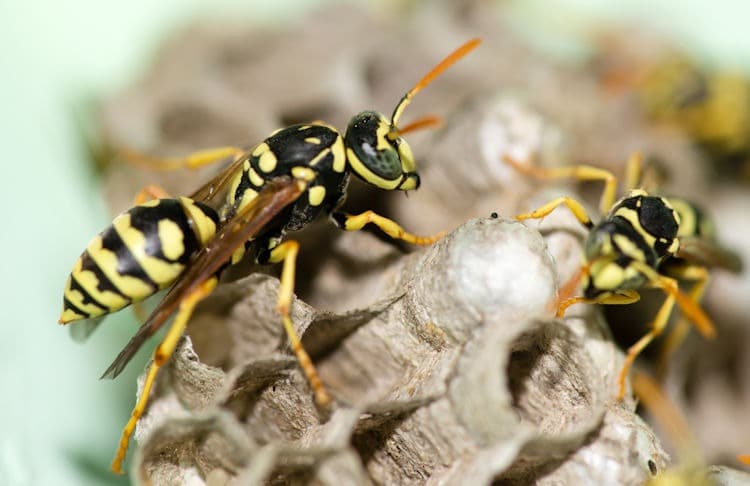
What do yellow jacket nests look like?
Answers about stinging insect control in Southern Maryland & Northern Virginia.
Yellow jacket nests are usually hidden underground or inside wall voids. The most common sign is heavy insect traffic, with yellow jackets repeatedly entering and exiting the same spot.
Trusted Local Experience
Gene Wright began professional pest work in 1998, and founded Planet Friendly Pest Control in 2010 to bring that experience to homeowners across Northern Virginia and Southern Maryland.
Why This Happens
Unlike paper wasps or hornets, yellow jackets prefer protected, enclosed spaces. They often take over abandoned rodent burrows, gaps under concrete, landscape timbers, or voids inside walls.
Because the nest itself is hidden, homeowners rarely see it. What they notice instead is steady flight activity close to the ground or along siding.
In Northern Virginia and Southern Maryland, lawns, mulch beds, crawlspaces, and older homes provide ideal nesting conditions. Warm weather allows colonies to grow quickly before they’re detected.
What This Means for Your Home
Hidden nests create surprise encounters. People often disturb yellow jacket nests while mowing, gardening, or walking nearby.
Yellow jackets are especially defensive because their nests are enclosed and difficult to escape from. Multiple stings can happen quickly when the nest entrance is disturbed.
When nests are inside walls, activity can spread indoors. Yellow jackets may appear near windows, light fixtures, or vents as they search for exits.
How Professionals Address It
Professionals don’t dig randomly or open walls without a plan. Everything starts with inspection.
The exact entry point, nest location, and activity pattern are identified first. This reduces the risk of triggering aggressive behavior.
Control is handled from the exterior whenever possible, targeting the colony where it lives. Interior treatment is only used if insects have already entered the home.
After control, professionals address conditions that allowed nesting, helping prevent the problem from returning.
What Homeowners Can Do Now
Safe steps you can take without disturbing the nest:
Avoid digging, flooding holes, or spraying into openings. That’s when most stings occur.
- Watch where yellow jackets enter and exit
- Mark the area to avoid foot traffic
- Keep pets and children away
- Delay mowing or yard work nearby
- Keep doors and windows closed if activity is near the house
When to Call a Professional
If you see consistent yellow jacket traffic near the ground or siding, especially close to walkways or play areas, it’s time for a professional inspection.
Early identification prevents stings, protects your home, and avoids emergency situations later in the season.
Common Questions
Do yellow jacket nests always stay underground? No. They can also be inside wall voids, crawlspaces, or structural gaps.
Are yellow jackets more aggressive than wasps? Yes. They defend their nests aggressively and often sting in groups.
Is professional control safer for families and pets? Yes. Exterior-first, inspection-driven control minimizes risk inside the home.
Written by Planet Friendly Pest Control, serving Northern Virginia and Southern Maryland since 1998. This guidance reflects decades of hands-on inspection experience using outside-first, minimal-product pest control methods focused on long-term prevention and home protection.
Keep reading
More Stinging Insect Control questions
Ready to book your free inspection?
Hundreds of Google reviews across our verified service locations. Schedule a free, no-obligation inspection and we’ll start with the exterior — where most problems begin.