
Stinging Insect Control
When is stinging insect season the worst?
Answers about stinging insect control in Southern Maryland & Northern Virginia.
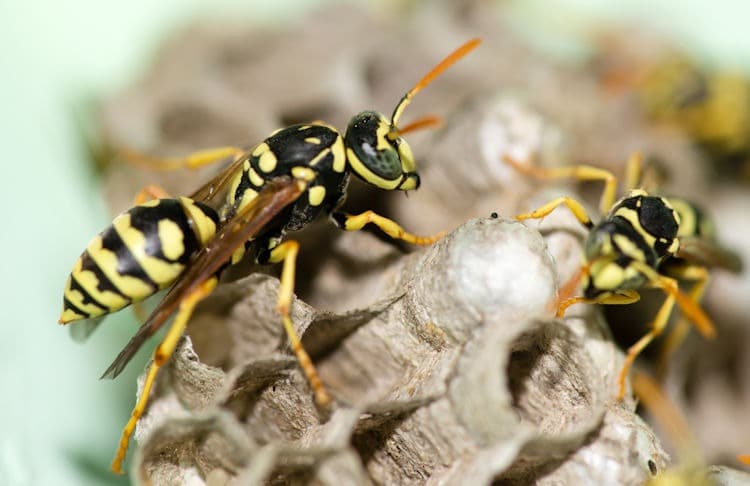
Late summer and early fall are the worst times for stinging insects. Colonies are largest during this period, and insects are more aggressive as food sources change and nests become crowded.
Trusted Local Experience
Gene Wright began professional pest work in 1998, and founded Planet Friendly Pest Control in 2010 to bring that experience to homeowners across Northern Virginia and Southern Maryland.
Why This Happens
Stinging insects follow a seasonal cycle.
In spring, queens establish new nests. Early summer is a growth phase, with workers focused on building and foraging. By late summer, colonies reach peak size.
As natural food sources decline in early fall, wasps, hornets, and yellow jackets become more aggressive and more likely to interact with people. Larger colonies also mean stronger defensive behavior around nests.
In Northern Virginia and Southern Maryland, long warm seasons allow colonies to grow bigger than in cooler regions, extending peak activity well into fall.
What This Means for Your Home
This is when most stings occur.
More insects are flying, nests are fully established, and defensive responses are faster and more intense. Outdoor spaces like decks, patios, garages, and play areas see increased activity.
Hidden nests—especially yellow jackets underground or in walls—become especially dangerous during this time. Accidental disturbances while mowing or doing yard work are common.
For families with kids and pets, late summer and early fall carry the highest risk of surprise encounters.
How Professionals Address It
Professionals plan around seasonal pressure.
Early-season prevention focuses on discouraging nesting before colonies grow. Late-season control focuses on safely managing large, established nests without triggering aggressive swarming.
Exterior inspections are critical during peak season to identify hidden nests and high-risk areas. Control is handled calmly and deliberately to reduce defensive reactions.
Interior treatment is only used if insects have already entered the home. Prevention always starts outside.
What Homeowners Can Do Now
Seasonal steps that help reduce risk:
Avoid DIY treatments during peak season. Larger colonies are far more reactive.
- Be extra cautious with yard work in late summer
- Watch for heavy insect traffic near the ground or siding
- Avoid disturbing eaves, decks, and sheds
- Keep outdoor food and drinks covered
- Schedule inspections before peak season if possible
When to Call a Professional
If you’re seeing increased activity in late summer or early fall, professional help is the safest option.
Peak season nests are larger, more defensive, and more dangerous to handle without experience and protection. Early inspection prevents stings and emergency situations.
Common Questions
Is spring safer than fall for stinging insects? Yes. Colonies are smaller and less aggressive in spring.
Do stinging insects disappear in winter? Activity drops, but prevention is still important before the next season.
Is late-season control still effective? Yes. Proper control reduces immediate risk and helps with next year’s prevention.
Written by Planet Friendly Pest Control, serving Northern Virginia and Southern Maryland since 1998. This guidance reflects decades of hands-on inspection experience using outside-first, minimal-product pest control methods focused on long-term prevention and home protection.
Ready to book your free inspection?
Hundreds of Google reviews across our verified service locations. Schedule a free, no-obligation inspection and we’ll start with the exterior — where most problems begin.