
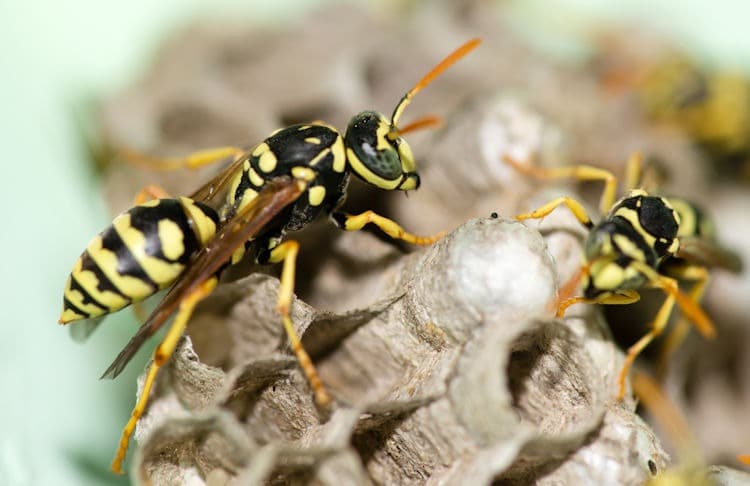
Stinging Insect Control
Will stinging insects come inside after treatment?
Answers about stinging insect control in Southern Maryland & Northern Virginia.
No. When stinging insect treatment is done correctly, activity is eliminated where the insects live and nest—outside. Proper exterior treatment does not drive insects indoors.
Trusted Local Experience
Gene Wright began professional pest work in 1998, and founded Planet Friendly Pest Control in 2010 to bring that experience to homeowners across Northern Virginia and Southern Maryland.
Why This Happens
There’s a common fear that treating outside will “push” insects into the house. That usually comes from bad DIY experiences or incomplete treatments.
Stinging insects don’t want to be indoors. Their nests, food sources, and survival needs are outside. When exterior control is done properly, insects are resolved at the source, not displaced.
Problems arise when treatments are poorly applied, nests aren’t addressed, or entry points are ignored. That’s not how professional control works.
In Northern Virginia and Southern Maryland, most stinging insect activity comes from eaves, soffits, decks, sheds, wall voids, or underground nests—all exterior environments.
What This Means for Your Home
With proper treatment, you should see less activity overall—not insects suddenly appearing inside.
If insects were already nesting inside walls or voids before treatment, some may become visible briefly as the situation resolves. That’s a sign the source is being handled, not that treatment caused a new problem.
Most homeowners notice quieter outdoor areas, safer entryways, and fewer surprise encounters once exterior pressure is reduced.
Interior infestations from stinging insects are rare when prevention is handled correctly.
How Professionals Address It
Professionals start with inspection, not spraying.
They identify where insects are nesting, how they’re traveling, and whether there’s any existing interior involvement. This prevents unintended outcomes.
Control is applied strategically to exterior nesting and pressure points. The goal is to eliminate activity where insects live, so there’s no reason for them to move elsewhere.
Interior treatment is only used if insects were already inside before service—and even then, it’s limited and targeted.
Prevention steps follow to stop new nesting attempts.
What Homeowners Can Do Now
Steps that support successful treatment:
Avoid DIY spraying. That’s the most common cause of insects ending up where they shouldn’t be.
- Keep doors and windows closed during active periods
- Avoid disturbing nests before inspection
- Monitor activity patterns after treatment
- Report any indoor sightings promptly
- Maintain exterior sealing and repairs
When to Call a Professional
If you’re worried about insects entering the home, professional exterior-first treatment is the safest option.
When nests are handled correctly at the source, insects don’t relocate indoors—they disappear. Proper inspection and prevention are what keep indoor spaces calm and pest-free.
Common Questions
Can bad treatments cause insects to come inside? Yes. Incomplete or DIY treatments can make things worse.
Is it normal to see a few insects briefly after treatment? Sometimes, if a hidden nest is being resolved—but it should be short-lived.
Does prevention reduce indoor risk long-term? Yes. Exterior prevention is the best way to keep insects out permanently.
Written by Planet Friendly Pest Control, serving Northern Virginia and Southern Maryland since 1998. This guidance reflects decades of hands-on inspection experience using outside-first, minimal-product pest control methods focused on long-term prevention and home protection.
Keep reading
More Stinging Insect Control questions
Ready to book your free inspection?
Hundreds of Google reviews across our verified service locations. Schedule a free, no-obligation inspection and we’ll start with the exterior — where most problems begin.