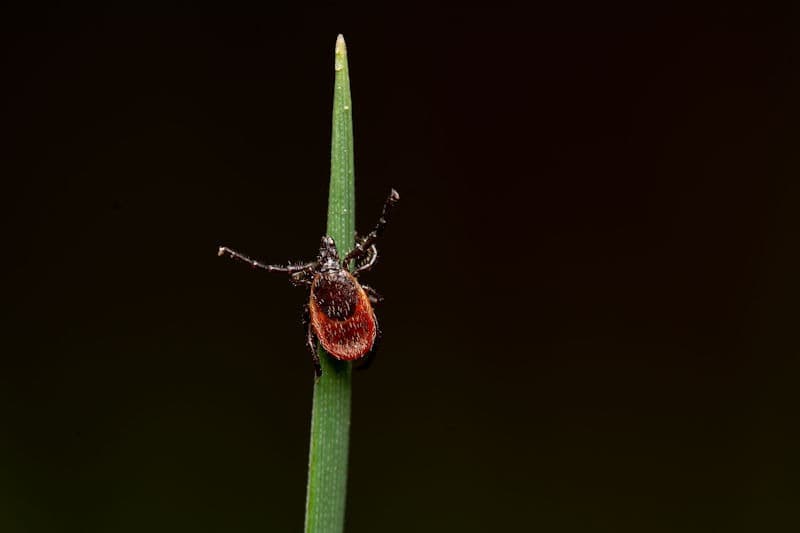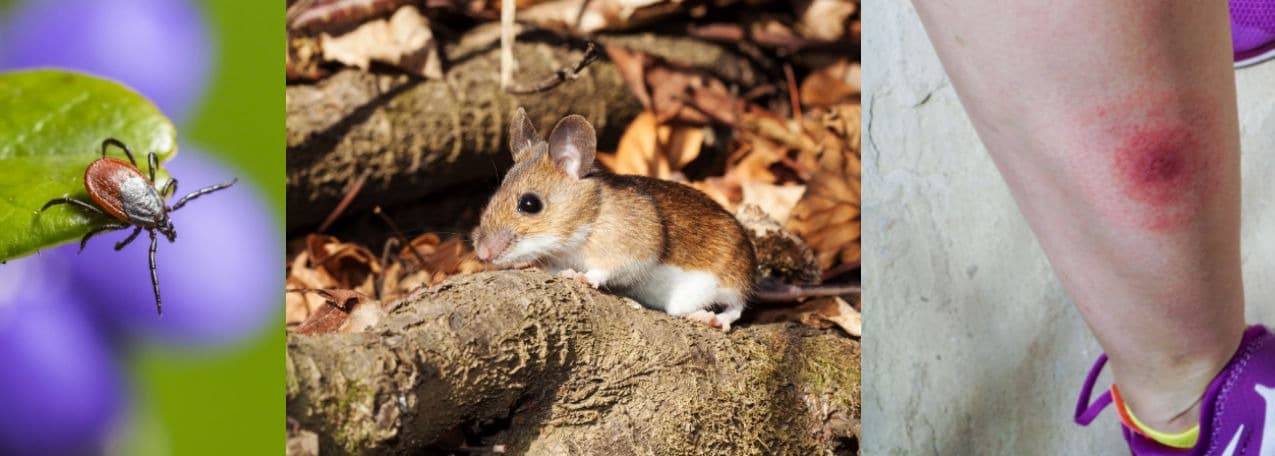
The Complex Relationship Among White-Footed Mice, Borrelia burgdorferi, and Black-Legged Ticks in Lyme Disease Transmission
Lyme disease is a significant public health issue, particularly in areas where the disease-carrying bacterium Borrelia burgdorferi is prevalent. The cycle of transmission involves multiple species, but three primary players are crucial in the spread of Lyme disease: white-footed mice (Peromyscus leucopus), black-legged ticks (Ixodes scapularis), and the bacterium itself. Understanding how these organisms interact helps illuminate why Lyme disease is so pervasive in certain regions and informs strategies for managing and controlling its spread.
Borrelia burgdorferi: The Lyme Disease Bacterium
Borrelia burgdorferi is a spirochete bacterium responsible for Lyme disease, a condition that can cause various symptoms ranging from fatigue and fever to more severe neurological and cardiac complications if left untreated. This bacterium resides in certain mammals and is transferred to new hosts through tick bites. Once in a human host, B. burgdorferi can travel through the bloodstream, settling in different tissues and leading to the characteristic symptoms of Lyme disease.
White-Footed Mice as Reservoir Hosts
White-footed mice play a central role in the ecology of Lyme disease. These small rodents are known as "reservoir hosts" for Borrelia burgdorferi because they can carry the bacterium without becoming sick themselves. When ticks feed on infected white-footed mice, they pick up the bacterium, which then allows them to pass the infection on to other animals, including humans, during future blood meals.
In regions where Lyme disease is common, white-footed mice are often abundant. Because these mice can host large populations of ticks, they are particularly effective at perpetuating the transmission cycle of B. burgdorferi. In addition, due to their tolerance for the bacterium, infected white-footed mice can carry high levels of B. burgdorferi, which ticks readily acquire when they feed on these mice.
Black-Legged Ticks: The Primary Vector
The black-legged tick, commonly known as the deer tick, is the primary vector for Lyme disease transmission in North America. Ticks go through three life stages: larva, nymph, and adult. In each of these stages, ticks require a blood meal to survive and progress to the next stage of development. The larval and nymph stages typically involve small hosts, such as mice and birds, while adult ticks often feed on larger mammals, such as deer and humans.
Ticks acquire Borrelia burgdorferi during the larval or nymph stages by feeding on an infected host, such as a white-footed mouse. Once infected, the tick can carry the bacterium through the rest of its life, transmitting it to any future host. Black-legged ticks are particularly effective at spreading Lyme disease because they are both long-lived and have a broad host range, making it likely they will encounter both infected animals and potential new hosts, including humans.
The Transmission Cycle and Human Risk
The interaction between white-footed mice, Borrelia burgdorferi, and black-legged ticks creates a cycle that supports the persistence and spread of Lyme disease in certain regions. As ticks feed on infected mice, they become carriers of B. burgdorferi. The ticks then seek out new hosts, which can be humans or other mammals. When a tick carrying B. burgdorferi bites a human, it transfers the bacterium through its saliva, leading to a possible Lyme disease infection.
Humans generally become infected during the warmer months, as ticks in the nymph stage are most active and difficult to detect due to their small size. Since ticks are most active in forested and grassy areas where white-footed mice thrive, human activities such as hiking or camping in these environments can increase the risk of tick bites and subsequent Lyme disease transmission.
Frequently Asked Questions (FAQs)
Q1: Can white-footed mice directly infect humans with Lyme disease?
No, white-footed mice do not directly infect humans. The transmission of Lyme disease to humans occurs when a black-legged tick feeds on an infected mouse, acquires Borrelia burgdorferi, and then bites a human, passing on the bacterium.
Q2: Why are white-footed mice considered important in the transmission of Lyme disease?
White-footed mice are critical because they are highly effective reservoir hosts for Borrelia burgdorferi. They can carry large quantities of the bacterium without showing symptoms, making them a primary source of infection for ticks. In areas with high populations of white-footed mice, the risk of Lyme disease is generally elevated.
Q3: How do ticks acquire Borrelia burgdorferi?
Ticks acquire Borrelia burgdorferi by feeding on an infected host, such as a white-footed mouse, during their larval or nymph stages. Once infected, the tick can then transmit the bacterium to other animals or humans during subsequent blood meals.
Q4: Can Lyme disease be prevented?
Yes, there are several preventive measures that can reduce the risk of Lyme disease. These include wearing protective clothing, using insect repellent, performing regular tick checks after spending time outdoors, and managing the environment around homes to reduce tick habitats. In high-risk areas, avoiding wooded or grassy areas during peak tick season can also lower the risk.
Q5: Are there other animals involved in the Lyme disease cycle?
Yes, other animals, such as birds, small mammals, and deer, can also be part of the Lyme disease cycle. However, white-footed mice and black-legged ticks are the primary species responsible for maintaining and spreading Borrelia burgdorferi in North America. Deer, for example, are crucial for supporting adult tick populations, but they do not carry Borrelia burgdorferi in the same way that mice do.
The Bottom Line
The transmission of Lyme disease is intricately linked to the ecological interactions between white-footed mice, Borrelia burgdorferi, and black-legged ticks. Understanding this relationship provides insight into why Lyme disease is so prevalent in certain regions and underscores the importance of controlling tick populations and managing habitats to reduce human exposure. By reducing the risk factors associated with tick bites, we can make strides in preventing Lyme disease and safeguarding public health.