

Termite Control in Southern Maryland & Northern Virginia
Professional Inspections and Treatments That Protect Your Home — Without Guesswork or Pressure
Free & no obligation · By appointment · Southern MD & Northern VA
Why it keeps happening
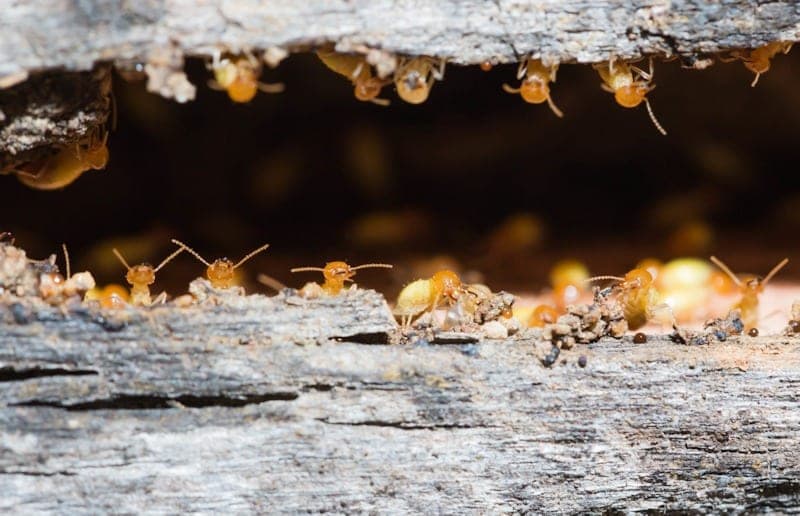
In Southern Maryland and Northern Virginia, termite activity often goes undetected because termites live and feed inside wood or soil, out of sight.
The real question
How do I know if I have termites in my home?
Many homes with termites show no obvious signs until damage has already occurred. Termites live and feed inside wood or soil, often out of sight, which makes professional inspection the most reliable way to confirm activity. Effective termite control starts with identifying whether termites are present, where they are active, and which treatment method is appropriate for the structure.
Not sure what you’re seeing? An inspection tells you exactly what’s going on.
What Homeowners in Southern Maryland & Northern Virginia Are Seeing
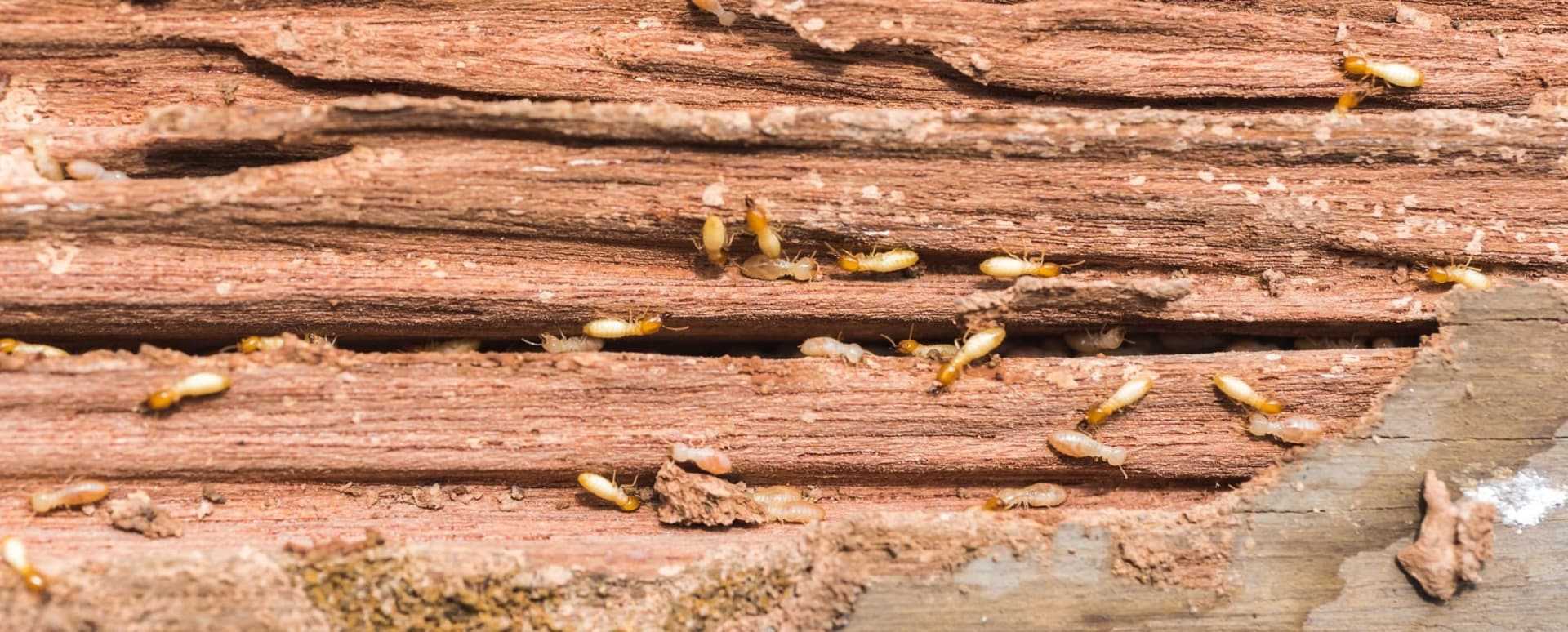
Most homeowners contact us after noticing:
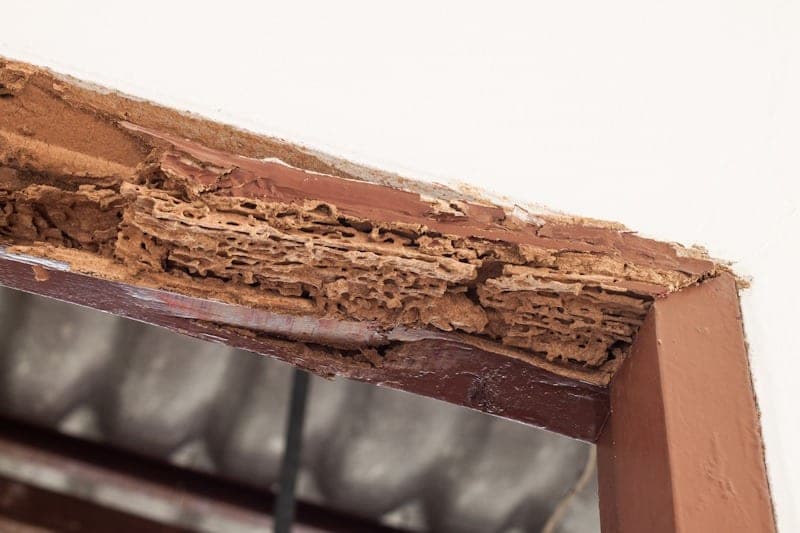
- Mud tubes along foundations or inside crawl spaces
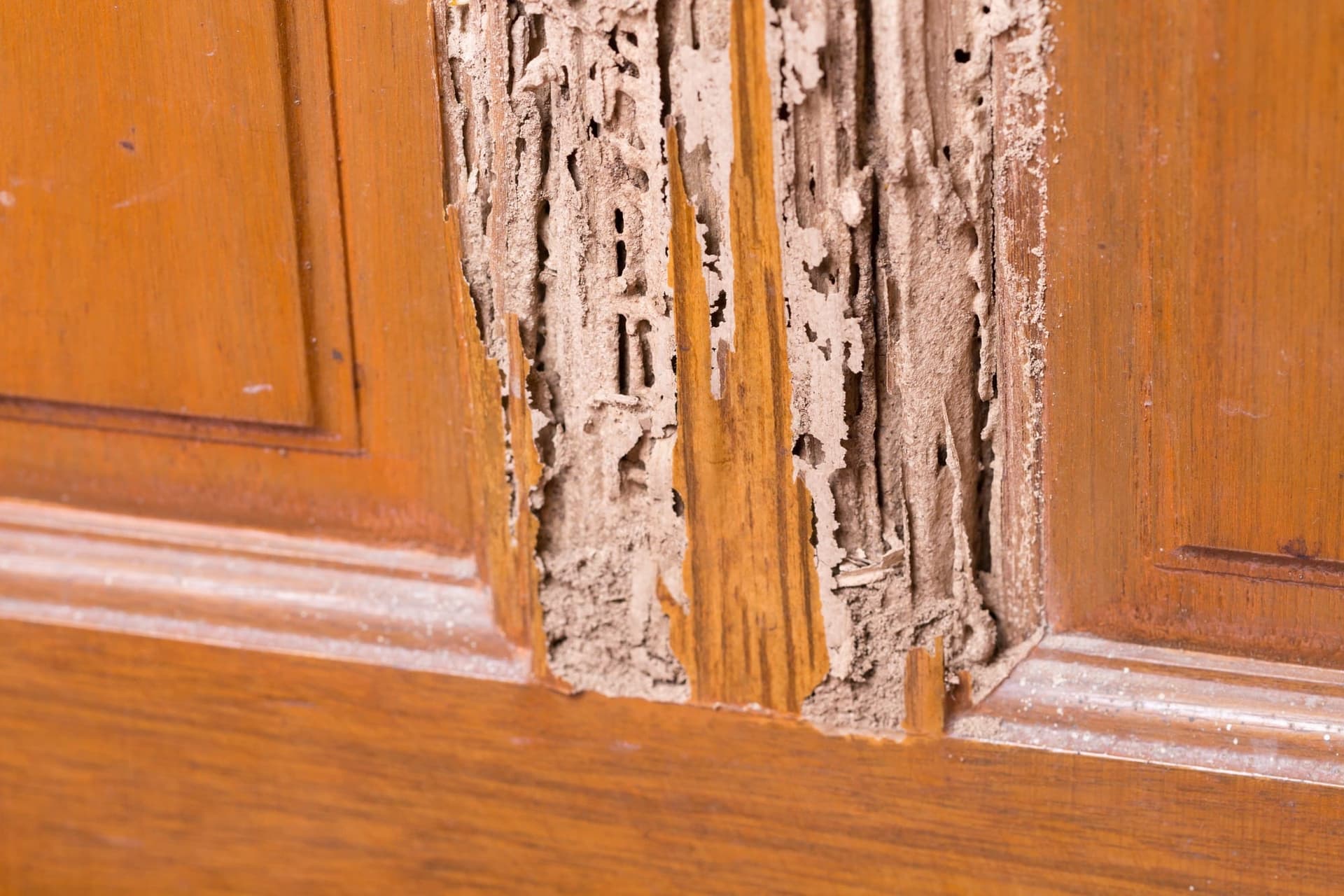
- Hollow-sounding or damaged wood
- Discarded wings near windows or doors
- Doors or windows that suddenly stick
- No visible signs at all — just concern about risk
In many cases, termites are discovered only during a professional inspection.

Why Termite Problems Keep Returning
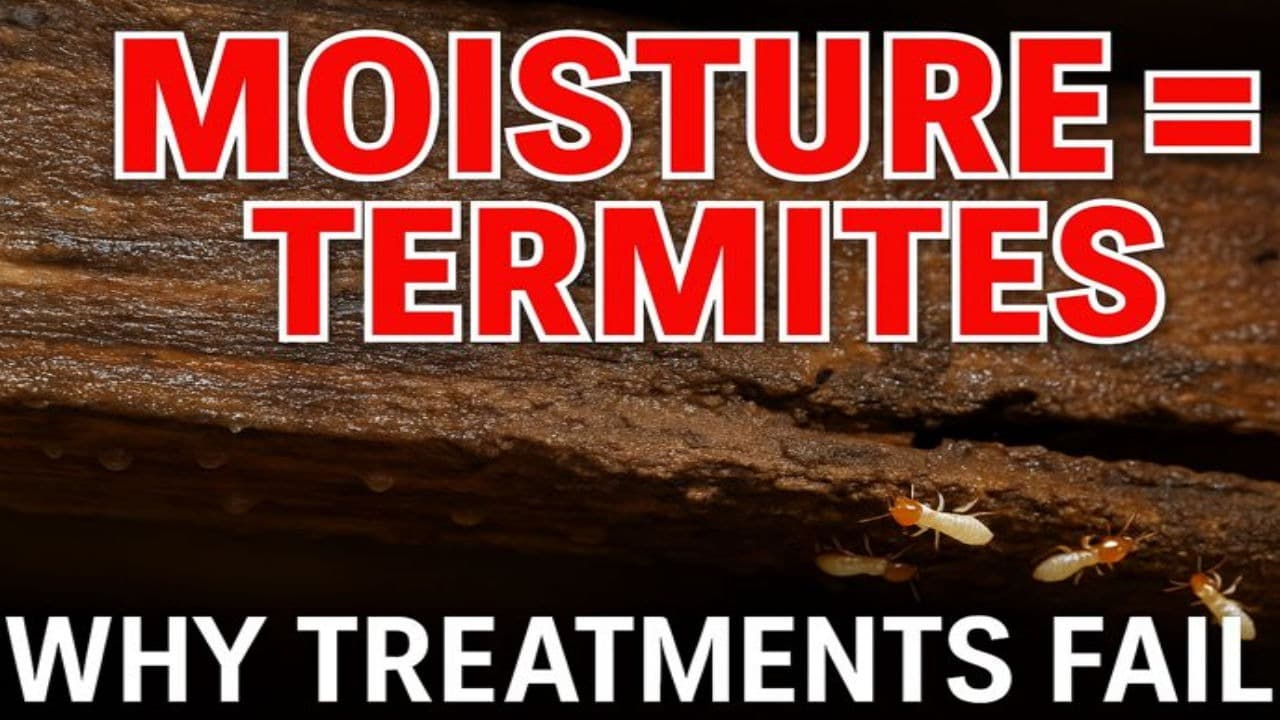
Most recurring termite problems are not visible indoors — they start in soil, wood, and structural areas out of sight.
Termites typically live:
- In soil beneath the foundation
- Inside structural wood framing
- Behind drywall or insulation
- In crawl spaces and basements
As long as moisture and wood-to-soil contact go unaddressed and the colony stays undetected, termites will continue to cause damage out of sight.
Why Termite Problems Often Go Undetected
Most termite problems are not visible because termites work behind walls, under floors, and below ground.
Termites commonly live:
- In soil beneath foundations
- Inside structural wood
- Behind drywall or insulation
- In crawl spaces and basements
Because activity is hidden, homeowners often don’t realize there’s an issue until damage is already present
Why DIY and “Preventative” Treatments Fail
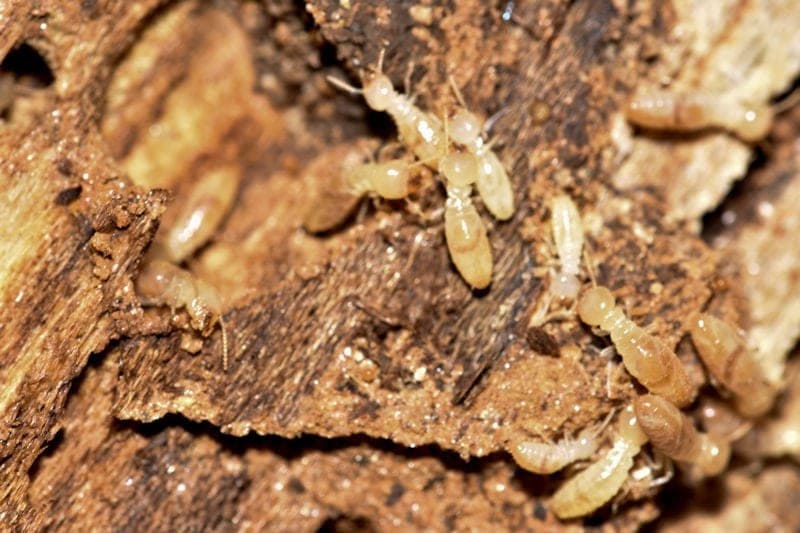
Store-bought products and unverified treatments do not eliminate termite colonies.
When the source isn’t properly identified, the problem continues — even after treatment.
Common reasons termite control fails:
- The colony location is unknown
- Treatment is applied in the wrong areas
- Soil and structural conditions aren’t evaluated
- The treatment method doesn’t match the termite species
Termite control requires precision, not guesswork.
Our Inspection-First, Outside-Focused Termite Control Approach
We treat termites as a structural protection issue, not a spray problem.
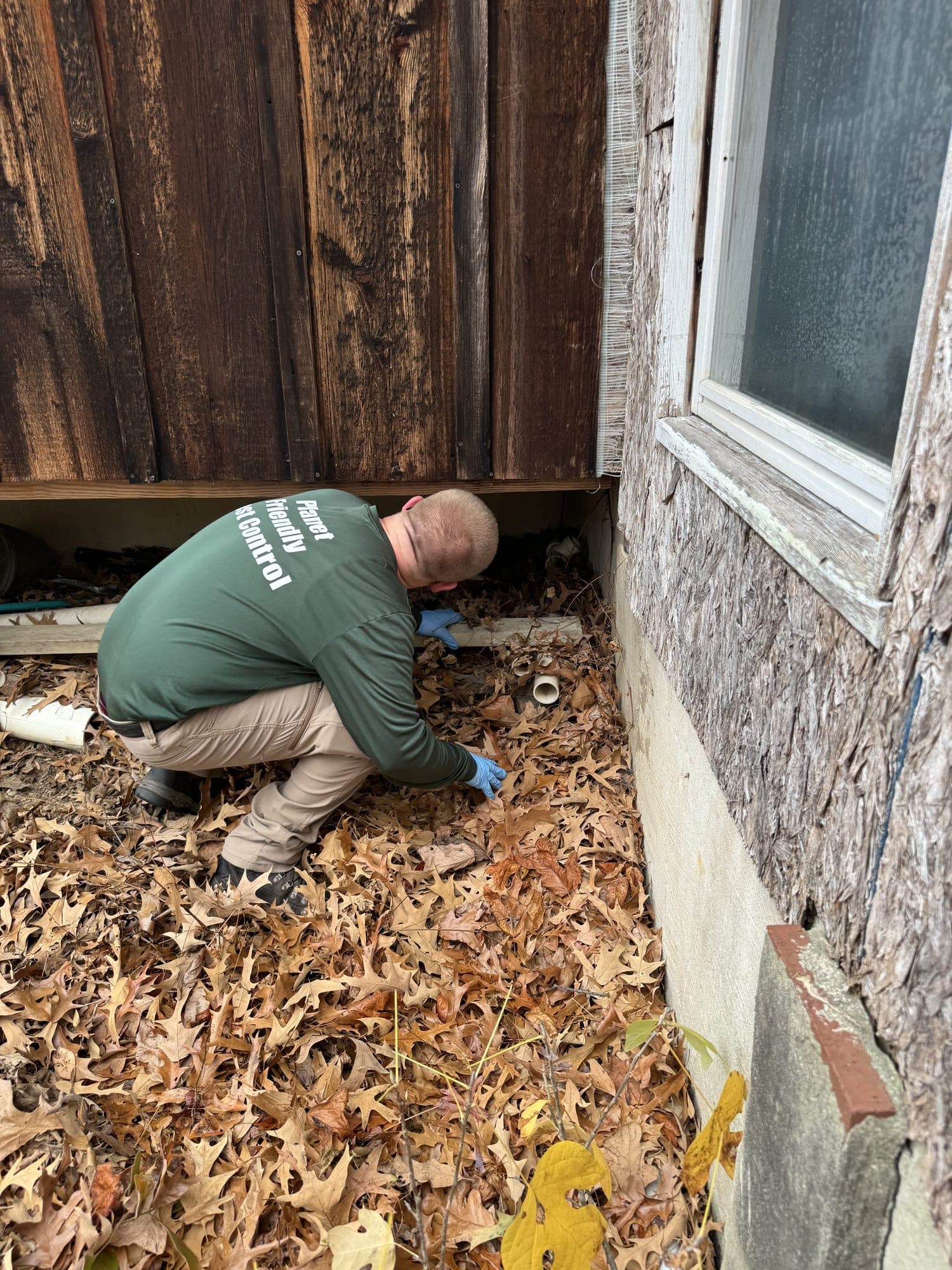
Every termite service begins with a detailed inspection that typically includes:
- Identifying signs of termite activity or risk
- Evaluating foundation, soil, and wood conditions
- Determining the termite species involved
- Recommending the appropriate treatment method
- Explaining findings clearly, without pressure
Treatment is never recommended until the inspection is complete.
Why This Matters for Homes in Our Region
Southern Maryland and Northern Virginia provide ideal conditions for termite activity due to soil composition, moisture levels, and climate.
If termites are left unaddressed, they can:
- Cause significant structural damage
- Reduce home value
- Lead to costly repairs
- Go unnoticed for long periods
Early detection through inspection is the most effective way to protect your home.

What Type of Termite Control Works Best?
For confirmed termite activity or high-risk conditions, professional treatment combined with monitoring is typically more effective than unverified or one-time solutions.
Depending on the structure and conditions, termite control may involve:
- Liquid soil treatments
- Baiting systems
- Or a combination of both
The correct method depends on the inspection findings — not a one-size-fits-all solution.
Termite Treatment Options We Offer
We provide both liquid and bait termite control systems, selected based on inspection results.
Our termite services focus on:
- Proper placement and coverage
- Long-term colony control
- Minimal disruption to the home
- Ongoing monitoring when appropriate
Reviews
Hear From Our Happy Customers
Hundreds of Google reviews across our verified service locations.
Excellent on Google
Josh F.
Google review · Sep 2026
Alex was great! Very professional and explained the whole process before doing any work. We had a wasp nest in our wall, getting in through a seam between our brick and siding. I thought it would be a costly problem, but it was taken care of in about 15 minutes.
Amy B.
Google review · Sep 2026
I am very pleased with the work of Planet Friendly Pest Control. I had a large wasp nest in the garage and they came out to treat it the same day! The process was clear and professional. I was told the price when I called and they didn't try to upsell me on a monthly or quarterly contract. As mentioned above, they came out the same day I called and they texted me when they were on their way. They treated the nest and then came back a week later to confirm it was taken care of and removed the nest. It's now been a couple of weeks since the initial visit and no sign of new wasps! I would not hesitate to use them again.
Cheryl P.
Google review · Aug 2026
Tech was very nice, explained what the chemical is designed to do.
Patrick H.
Google review · Jul 2026
I want to sincerely thank Planet Friendly Pest Control and its owner, Gene Wright, for their immediate response and action to deal with a hive of Bald Face Hornets who, unbeknownst to me, had taken home in a fair size shrub at the back of my house. As I attempted to trim the shrub, I was swarmed by Hornets and stung 8 or 9 times before I could get to safety. I left my tractor and tools in a hurry and was afraid to retrieve them until the bee issue was addressed. Again, PFPC responded quickly and allowed me to get my tools and continue my recovery from the bee stings. I considered the price to be very fair for the treatment of the issue at hand and the sharing of knowledge to avoid further such mishaps. I will only call PFPC when in need of pest control.
Betty E.
Google review · Jul 2026
Roger came out and killed hornets in large nest on our house. It was taken care of the day after I called for service.
Ken C.
Google review · Jun 2026
Planet Friendly has been doing our pest control for several years now. They are reliable, and perform a great service for us. We are notified by email when the appointment is confirmed. They are always professional and knowledgeable.
Nikole R.
Google review · Jun 2026
Really appreciate Roger coming out to the house to not only treat for common insects that like to make their way into the house (regularly scheduled maintenance), but also exterminate a hornet nest we found on our deck this last week. Great service, arrives on schedule (and sends a text with arrival time when he’s on his way), and most importantly - no critters coming inside my house - or hornets potentially stinging us. Recommend Planet Friendly Pest Control to anyone looking for an exterminator.
Kathleen M.
Google review · Jun 2026
Great service. No bugs in the house! They quietly and quickly get the job done, no hastle.
San D.
Google review · Jun 2026
Roger was very kind and professional. He did an excellent job attending to areas of the exterior of our home that required extra attention.
Patti W.
Google review · Jun 2026
Gene Wright came highly recommended by multiple neighbors. He came out the same day I called and showed great knowledge about our mouse problem! Gene was responsible, knowledgeable and a delight to deal with. We highly recommend Planet Friendly Pest Control.
Denise A.
Google review · Apr 2026
This is my third year using Planet Friendly to control ants in my home. I have yet to see an ant. What a relief. This is a real necessity where I live. Thank you.


Frequently Asked Questions About Termite Control
Most homes should be inspected annually, especially in areas with known termite activity.
Yes. We provide professional termite inspections so homeowners can make informed decisions.
Yes. When applied correctly, professional termite treatments are designed to protect the structure while maintaining safety.
Trusted locally
Local Termite Control Experience You Can Trust
Planet Friendly Pest Control serves Southern Maryland and Northern Virginia with inspection-first, outside-focused pest management designed to protect homes, families, and pets with minimal product use.
Owner Gene Wright has solved local pest problems since 1998.
- Licensed in MarylandLicense #31162
- Licensed in VirginiaLicense #13372
- A+ BBB ratingNot BBB accredited
- MSPCA memberMaryland State Pest Control Association
- NPMA memberNational Pest Management Association
People Also Ask About Termite Control
Signs include mud tubes, wood damage, or swarming insects near windows. Many infestations are hidden, which is why inspections matter.
Read the full article: How do I know if I have termites?Yes, the climate and soil conditions here are ideal for subterranean termites. Most homes are at some level of risk.
Read the full article: Are termites common in Southern Maryland and Northern Virginia?They look like thin dirt tunnels along foundations or walls. Termites use them to travel safely between soil and wood.
Read the full article: What do termite mud tubes look like?No, termites can infest new and old homes alike. Construction type and moisture matter more than age.
Read the full article: Do termites only attack old homes?Yes, swarmers usually mean a nearby colony is mature. This is often a warning sign, not just a nuisance.
Read the full article: Are swarmers a sign of infestation?Yes, termites feed on structural wood and can weaken floors, walls, and supports. Damage often goes unnoticed until it's serious.
Read the full article: Can termites cause structural damage?No, termites stay as long as food and moisture are available. Without treatment, they continue to cause damage.
Read the full article: Do termites go away on their own?Yes, subterranean termites work year-round underground. Activity doesn't stop in winter.
Read the full article: Are termites active year-round?Safety & Health Concerns
Termites don't bite or sting, but the damage they cause can affect home safety. Structural weakening is the main concern.
Read the full article: Are termites dangerous to people?Indirectly, yes, especially if moisture and wood damage lead to mold. This is more common in long-term infestations.
Read the full article: Can termites affect indoor air quality?When applied professionally, termite treatments are designed to be used safely. We focus on targeted, minimal-impact solutions.
Read the full article: Are termite treatments safe for families and pets?Termites are not known to spread diseases to humans. The risk comes from the damage they cause to the home.
Read the full article: Do termites carry diseases?In most cases, yes. We'll explain any precautions clearly before treatment begins.
Read the full article: Is it safe to stay in the home during treatment?They can damage insulation and sometimes chew around wiring. This increases repair and safety concerns.
Read the full article: Can termites damage insulation or wiring?Yes, active or past termite damage can impact home value. Early treatment and documentation help protect it.
Read the full article: Do termites affect resale value?Yes, moisture and ground contact make these areas more vulnerable. They are key focus points during inspections.
Read the full article: Are basements and crawlspaces higher risk?How Professional Termite Control Works
We inspect the structure, foundation, and surrounding soil. This helps identify activity and risk areas.
Read the full article: What happens during a termite inspection?It creates a treated zone in the soil that termites can't cross safely. This protects the structure from future entry.
Read the full article: How does liquid termite treatment work?Baits attract termites and slowly eliminate the colony. They also allow ongoing monitoring.
Read the full article: How do termite bait systems work?It depends on your home and infestation level. Some homes benefit from liquids, others from bait systems.
Read the full article: Which termite treatment is better?Professional systems are designed for long-term protection. Ongoing monitoring keeps them effective.
Read the full article: How long does termite treatment last?Most termite treatments focus on the exterior and soil. Interior treatments are only used when necessary.
Read the full article: Do you treat the inside of the home?Properly installed systems greatly reduce the risk. Monitoring and maintenance are key.
Read the full article: Can termites come back after treatment?Professionals target the colony and conditions, not just visible termites. DIY products rarely solve the full problem.
Timing, Cost & Expectations
As soon as possible. Early action limits damage and treatment complexity.
Read the full article: How soon should I act if I suspect termites?Most inspections take about an hour. Larger homes may take longer.
Read the full article: How long does a termite inspection take?Installation time varies by system and home size. We explain timelines before starting.
Read the full article: How long does termite treatment take?Cost depends on home size, construction, and risk level. An inspection determines the right approach.
Read the full article: Is termite treatment expensive?Yes, termites are a long-term risk in this region. Ongoing protection helps prevent future infestations.
Read the full article: Do I need ongoing termite protection?Clear access to crawlspaces and basements if possible. We'll guide you if anything specific is needed.
Read the full article: What should I do to prepare for an inspection?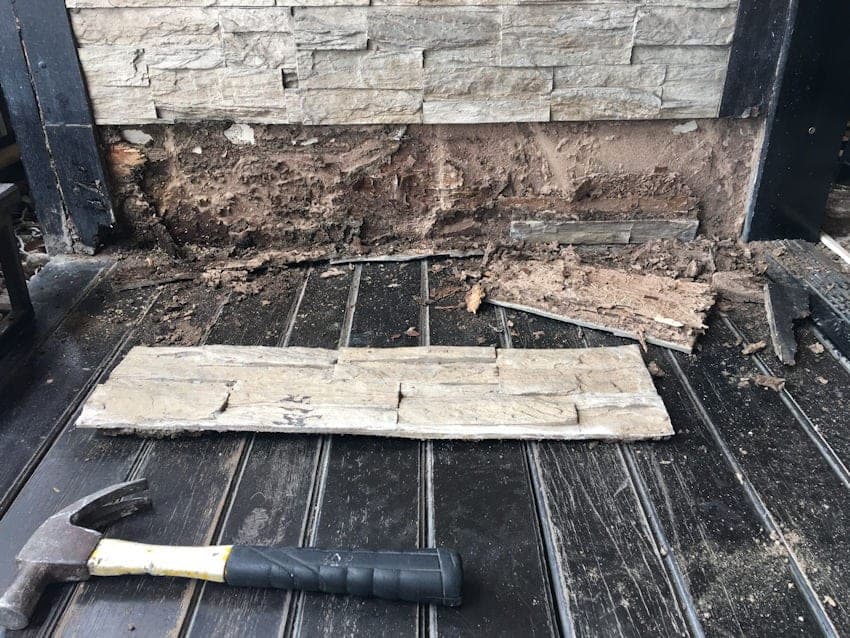
Free & no obligation
Ready to Schedule a Termite Inspection?
Termite activity is often driven by moisture and wood-to-soil contact, and it typically goes unnoticed until damage has already occurred. In Southern Maryland and Northern Virginia, humid summers and older home construction increase termite risk near foundations and crawl spaces. Effective termite control starts with a thorough inspection to confirm activity and identify the right treatment — liquid or bait — rather than guessing based on visible signs alone.
If a covered pest returns while the customer's service is active, Planet Friendly Pest Control will return and address the problem at no additional charge.
- Free initial inspection
- No long-term contracts