
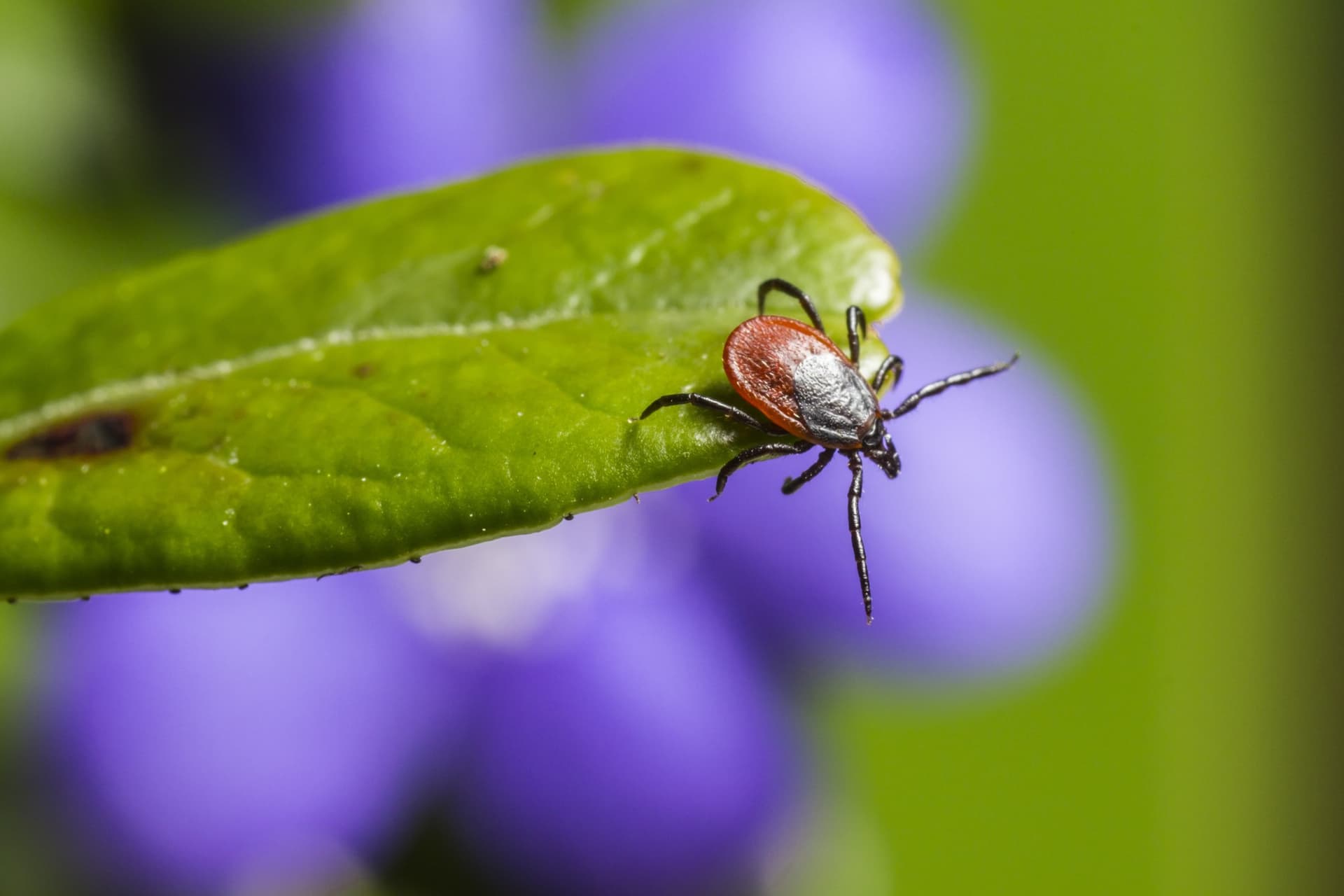
Tick Control
Why am I seeing more ticks lately?
Answers about tick control in Southern Maryland & Northern Virginia.
You’re seeing more ticks because weather patterns and wildlife activity directly affect tick populations. Mild winters, wet springs, and increased animal movement can make some seasons noticeably worse than others.
Trusted Local Experience
Gene Wright began professional pest work in 1998, and founded Planet Friendly Pest Control in 2010 to bring that experience to homeowners across Northern Virginia and Southern Maryland.
Why This Happens
Tick numbers rise and fall based on conditions, not chance.
Mild winters allow more ticks to survive instead of dying off. Wet springs create moist ground cover where ticks thrive. When those two combine, populations grow faster than usual.
Wildlife activity also plays a major role. Deer, foxes, raccoons, mice, and birds spread ticks as they move through neighborhoods. Changes in food sources, development, or weather can push animals closer to residential areas.
In Northern Virginia and Southern Maryland, these shifts are common. Some years simply create the perfect storm for tick activity.
What This Means for Your Home
Seeing more ticks doesn’t mean you’ve done anything wrong.
It usually means outdoor conditions are favoring ticks more than usual. When populations rise, ticks spread faster into yards, landscaped areas, and along walking paths.
This is why homeowners ask this question—they want to know if the problem will keep getting worse. The honest answer is that high-pressure seasons can last longer if nothing changes.
Early awareness matters. The sooner tick activity is identified, the easier it is to manage and prevent long-term exposure.
How Professionals Address It
Professional tick control is based on current conditions, not assumptions.
We evaluate weather trends, moisture levels, shade, and wildlife movement around the property. Inspection focuses on yard edges, wooded borders, ground cover, and pet pathways.
Control is exterior-first and targeted. We focus on where ticks are building up—not blanket treatments across the entire yard.
Addressing ticks during high-pressure seasons helps prevent the population from carrying over into the next one.
What Homeowners Can Do Now
Safe, DIY steps you can take:
Avoid assuming the problem will fade on its own when the season changes.
- Reduce leaf litter and excess moisture
- Keep lawn edges trimmed and defined
- Limit brush and dense ground cover
- Monitor pets closely after outdoor time
- Pay attention to warm spells during cooler months
When to Call a Professional
If you’re noticing more ticks than usual, especially on pets or near outdoor living spaces, an inspection is a smart next step.
A professional can explain whether the increase is seasonal or property-specific—and help reduce exposure before activity peaks further.
This is about staying ahead, not reacting late.
Common Questions
Are tick populations increasing overall? In many areas, yes—especially after mild winters and wet springs.
Will next year be just as bad? Not always. Tick pressure varies year to year based on conditions.
Does weather affect ticks more than yards? Weather sets the stage; yard conditions determine where ticks settle.
Written by Planet Friendly Pest Control, serving Northern Virginia and Southern Maryland since 1998. This guidance reflects decades of hands-on inspection experience using outside-first, minimal-product pest control methods focused on long-term prevention and home protection.
Ready to book your free inspection?
Hundreds of Google reviews across our verified service locations. Schedule a free, no-obligation inspection and we’ll start with the exterior — where most problems begin.