
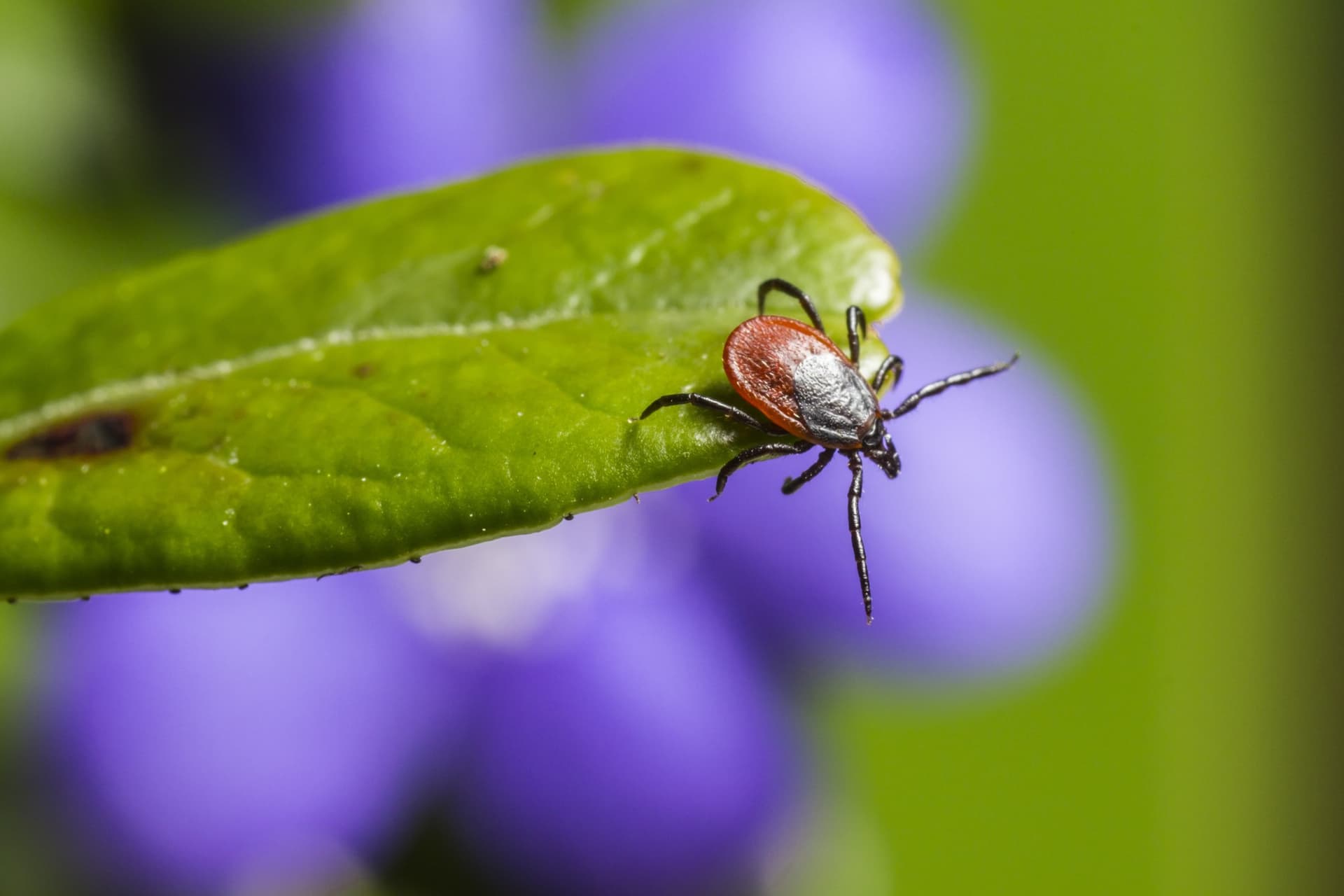
Tick Control
How long does a tick need to be attached to spread disease?
Answers about tick control in Southern Maryland & Northern Virginia.
The risk of disease transmission increases the longer a tick is attached. Early detection and removal significantly reduce the chance of disease spreading.
Trusted Local Experience
Gene Wright began professional pest work in 1998, and founded Planet Friendly Pest Control in 2010 to bring that experience to homeowners across Northern Virginia and Southern Maryland.
Why This Happens
Ticks don’t transmit disease the moment they bite.
After attaching, a tick must feed for a period of time before transmission becomes possible. During early attachment, the risk is much lower. As feeding continues, that risk steadily increases.
Ticks are slow feeders by nature. That’s why unnoticed ticks—especially those hidden in hair, behind ears, or on pets—create more concern than ticks found quickly.
In Northern Virginia and Southern Maryland, frequent outdoor exposure and mild weather increase the chances that ticks stay attached longer than homeowners realize.
What This Means for Your Home
This question usually comes from worry after finding a tick.
The reassuring truth is that early removal matters a lot. Many tick bites never result in illness, especially when ticks are discovered and removed promptly.
The greater concern is repeated exposure over time—pets bringing ticks inside, unnoticed attachments, and ongoing yard activity.
Reducing the number of ticks around your home lowers the odds of any tick staying attached long enough to pose a risk.
How Professionals Address It
Professional tick control focuses on prevention, not reaction.
We look at where ticks are coming from and why they’re reaching people or pets in the first place. That usually means shaded yard edges, ground cover, wooded borders, and wildlife pathways.
By reducing tick populations outdoors, we reduce how often ticks ever have the chance to attach.
Interior treatments are rarely needed for tick issues. Prevention always starts outside.
What Homeowners Can Do Now
Safe, DIY steps you can take:
Avoid panic-driven decisions. Awareness and prevention are far more effective.
- Check skin and clothing after outdoor activity
- Check pets daily during tick season
- Shower soon after spending time outdoors
- Keep yard edges and shaded areas trimmed
- Remove leaf litter where ticks hide
When to Call a Professional
If ticks are being found repeatedly on pets or family members, it usually means ticks are established on the property.
A professional inspection can identify where exposure is happening and help reduce the chance of ticks attaching in the first place.
Stopping repeated exposure is the most reliable way to reduce long-term risk.
Common Questions
Can a tick spread disease immediately? Risk is very low early on and increases with time.
Does removing a tick quickly help? Yes. Early removal significantly lowers risk.
Are pets more likely to have long attachments? Yes. Ticks are often harder to spot on pets.
Written by Planet Friendly Pest Control, serving Northern Virginia and Southern Maryland since 1998. This guidance reflects decades of hands-on inspection experience using outside-first, minimal-product pest control methods focused on long-term prevention and home protection.
Ready to book your free inspection?
Hundreds of Google reviews across our verified service locations. Schedule a free, no-obligation inspection and we’ll start with the exterior — where most problems begin.