
Spider Control
Do spiders carry diseases?
Answers about spider control in Southern Maryland & Northern Virginia.
No. Spiders are not known to spread diseases to people. Health risks from spiders are minimal. For most homes, spiders are a nuisance—not a health concern.
Trusted Local Experience
Gene Wright began professional pest work in 1998, and founded Planet Friendly Pest Control in 2010 to bring that experience to homeowners across Northern Virginia and Southern Maryland.
Why This Happens
This question comes up because people naturally connect pests with disease. Many insects do spread illness, so it’s reasonable to worry spiders might as well.
The truth is spiders are very different from pests like rodents, ticks, or mosquitoes. They don’t feed on people, don’t contaminate food, and don’t move through waste and living spaces the way disease-carrying pests do.
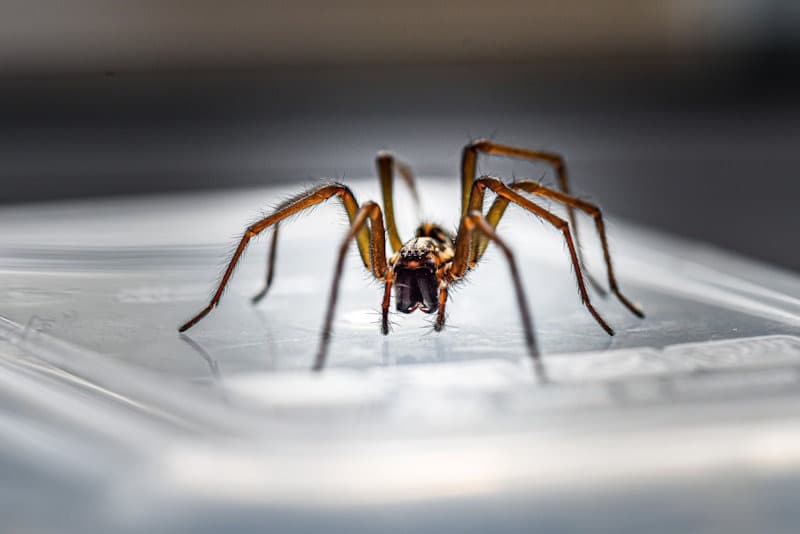
In Northern Virginia and Southern Maryland, the spiders found inside homes are almost always common house spiders. They’re present because insects are active—not because they pose a health risk.
What This Means for Your Home
Seeing spiders does not mean your home is unhealthy or unsafe.
Spiders:
For most homeowners, the concern with spiders is discomfort or anxiety—not disease.
The real issue spiders point to is insect activity somewhere in or around the home.
- Do not transmit viruses or bacteria to people
- Do not contaminate surfaces or food
- Do not spread illness through bites
What Thorough Pest Control Involves
Some companies quietly let homeowners assume spiders are dangerous because fear leads to over-treatment.
In reality, spiders don’t need aggressive control. Treating them like a disease threat usually means unnecessary products and repeated interior spraying.
A calm, inspection-based approach focuses on why spiders are there, not exaggerating what they can do.
How Professionals Address It
Professionals don’t treat spiders as a health emergency.
The first step is an inspection to understand what’s supporting spider activity—usually insects entering around foundations, windows, garages, or basements.
Control is handled from the outside first, reducing insect pressure so spiders naturally leave. Interior treatment is only used when activity is heavy or persistent.
This approach minimizes exposure while solving the actual cause of the problem.
What Homeowners Can Do Now
You can manage spider concerns safely without drastic measures:
Avoid foggers or heavy sprays. These don’t reduce health risk and don’t address insect activity.
- Remove visible webs when you see them
- Seal obvious gaps around doors, windows, and utility lines
- Reduce exterior lighting that attracts insects
- Keep basements and garages uncluttered near walls
- Monitor repeat spider locations
When to Call a Professional
If spiders keep appearing despite basic prevention, it’s usually because insects still have easy access to the home.
A professional inspection can identify those access points and conditions before the issue grows.
That prevention-focused approach protects your home, your family, and your peace of mind—without unnecessary treatments.
Common Questions
Can spiders make you sick? No. Spiders are not known to spread disease.
Are spider bites dangerous? Bites are rare and usually mild.
Should I worry about kids or pets? No. Common house spiders pose minimal health risk.
Written by Planet Friendly Pest Control, serving Northern Virginia and Southern Maryland since 1998. This guidance reflects decades of hands-on inspection experience using outside-first, minimal-product pest control methods focused on long-term prevention and home protection.
Ready to book your free inspection?
Hundreds of Google reviews across our verified service locations. Schedule a free, no-obligation inspection and we’ll start with the exterior — where most problems begin.