

Exterior-first, inspection-driven pest control for homes with pets.
Inspection-driven, outside-first pest control for Southern Maryland & Northern Virginia homes. Fewer indoor treatments. No long-term contracts.
Free & no obligation · By appointment · Southern MD & Northern VA

Our approach
We stop pest problems before they enter the home.
Planet Friendly Pest Control provides inspection-driven, exterior-first pest protection for single-family homes in Southern Maryland and Northern Virginia. We identify the conditions that support pest activity, treat only where needed, and minimize unnecessary product use inside the home.
Reviews
Trusted local experience
Hundreds of Google reviews across our verified service locations.
Excellent on Google
Josh F.
Google review · Sep 2026
Alex was great! Very professional and explained the whole process before doing any work. We had a wasp nest in our wall, getting in through a seam between our brick and siding. I thought it would be a costly problem, but it was taken care of in about 15 minutes.
Amy B.
Google review · Sep 2026
I am very pleased with the work of Planet Friendly Pest Control. I had a large wasp nest in the garage and they came out to treat it the same day! The process was clear and professional. I was told the price when I called and they didn't try to upsell me on a monthly or quarterly contract. As mentioned above, they came out the same day I called and they texted me when they were on their way. They treated the nest and then came back a week later to confirm it was taken care of and removed the nest. It's now been a couple of weeks since the initial visit and no sign of new wasps! I would not hesitate to use them again.
Cheryl P.
Google review · Aug 2026
Tech was very nice, explained what the chemical is designed to do.
Patrick H.
Google review · Jul 2026
I want to sincerely thank Planet Friendly Pest Control and its owner, Gene Wright, for their immediate response and action to deal with a hive of Bald Face Hornets who, unbeknownst to me, had taken home in a fair size shrub at the back of my house. As I attempted to trim the shrub, I was swarmed by Hornets and stung 8 or 9 times before I could get to safety. I left my tractor and tools in a hurry and was afraid to retrieve them until the bee issue was addressed. Again, PFPC responded quickly and allowed me to get my tools and continue my recovery from the bee stings. I considered the price to be very fair for the treatment of the issue at hand and the sharing of knowledge to avoid further such mishaps. I will only call PFPC when in need of pest control.
Betty E.
Google review · Jul 2026
Roger came out and killed hornets in large nest on our house. It was taken care of the day after I called for service.
Ken C.
Google review · Jun 2026
Planet Friendly has been doing our pest control for several years now. They are reliable, and perform a great service for us. We are notified by email when the appointment is confirmed. They are always professional and knowledgeable.
Nikole R.
Google review · Jun 2026
Really appreciate Roger coming out to the house to not only treat for common insects that like to make their way into the house (regularly scheduled maintenance), but also exterminate a hornet nest we found on our deck this last week. Great service, arrives on schedule (and sends a text with arrival time when he’s on his way), and most importantly - no critters coming inside my house - or hornets potentially stinging us. Recommend Planet Friendly Pest Control to anyone looking for an exterminator.
Kathleen M.
Google review · Jun 2026
Great service. No bugs in the house! They quietly and quickly get the job done, no hastle.
San D.
Google review · Jun 2026
Roger was very kind and professional. He did an excellent job attending to areas of the exterior of our home that required extra attention.
Patti W.
Google review · Jun 2026
Gene Wright came highly recommended by multiple neighbors. He came out the same day I called and showed great knowledge about our mouse problem! Gene was responsible, knowledgeable and a delight to deal with. We highly recommend Planet Friendly Pest Control.
Denise A.
Google review · Apr 2026
This is my third year using Planet Friendly to control ants in my home. I have yet to see an ant. What a relief. This is a real necessity where I live. Thank you.


Sound familiar?
A pest problem is stressful. We take it off your plate.
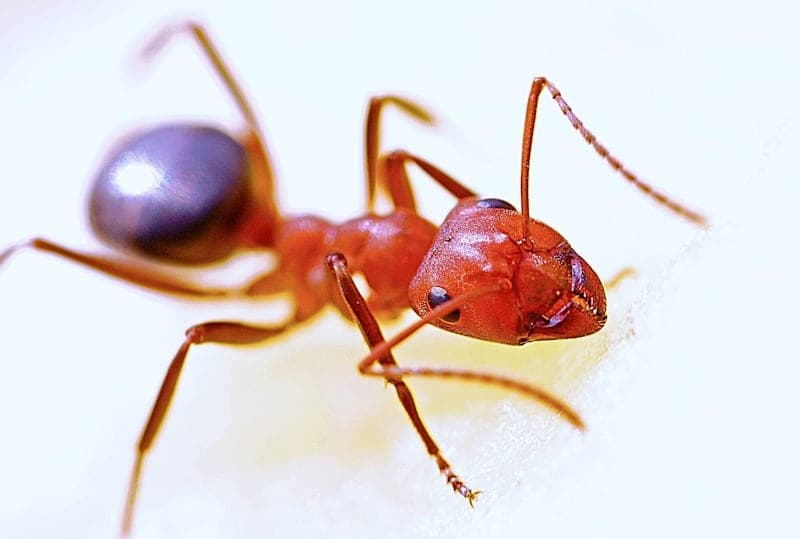
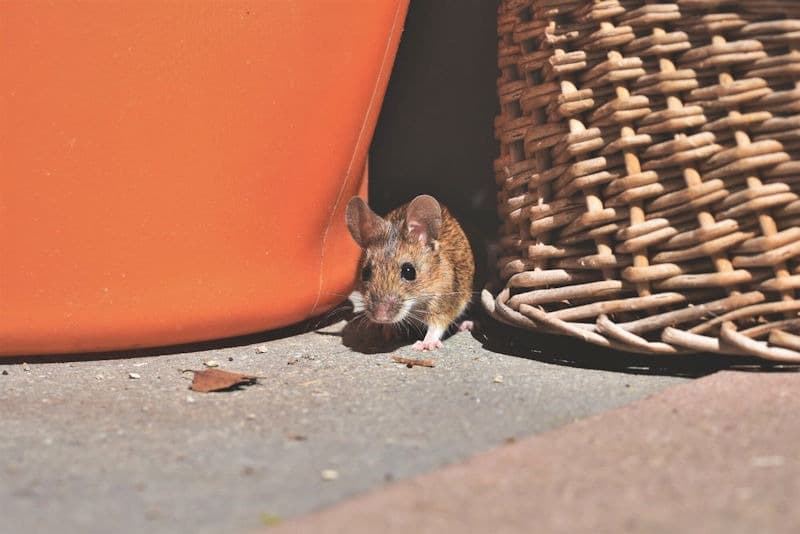
A mouse in the kitchen. Ants across the counter. Wasps by the door. It’s exhausting — and spraying only where you see them treats the symptom, never the outdoor source that keeps sending them back.
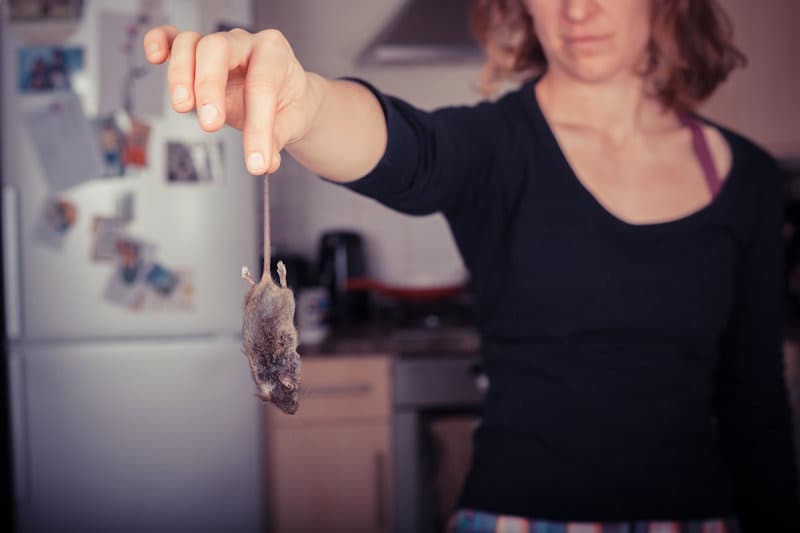 Rodents finding a way in
 The stress of reactive treatments
 Pests that keep coming back
So we do the opposite. We start outside, find what’s actually driving the problem, and set up a system that keeps your home calm — with a clear written report after every visit.
What we treat
Common pests across Maryland & Virginia
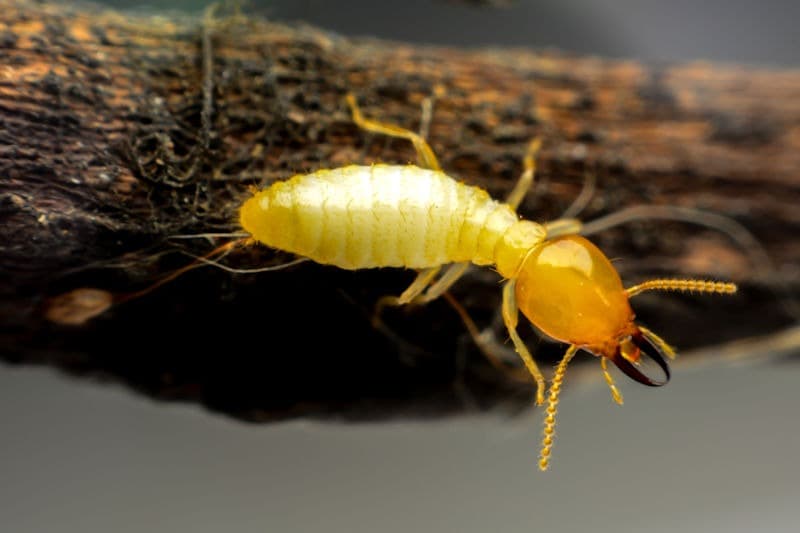
Southern Maryland and Northern Virginia share the same pest pressure — ants, spiders, rodents, stinging insects, ticks and mosquitoes, plus seasonal invaders. Most start outside, so we treat the source before they reach the home.

Why it works
What makes our approach different
In Southern Maryland and Northern Virginia, most recurring pest problems do not begin inside the home. They start outdoors — in soil, moisture, vegetation, and small exterior openings around the structure. Effective pest control works by identifying and managing these exterior conditions before pests enter the home.
“Most recurring pest problems are not indoor issues — they are exterior nesting and access problems.”
How the outside-first, inspection-driven process works
- 01
Inspect exterior conditions
- 02
Identify pest pressure and access points
- 03
Apply targeted exterior treatments only where conditions require it
- 04
Reduce conditions that attract pests
This process delivers more consistent, long-term control while minimizing unnecessary indoor treatments.
Total transparency
What homeowners receive after every visit
- 01A written exterior inspection report
- 02Clear documentation of conditions found
- 03Why decisions were made
- 04What to monitor next
- 05All reports stored in one place in your customer app
This allows homeowners to manage pest protection like a system — not a guessing game. This documentation explains not just what was done, but why — so homeowners always understand the decision.
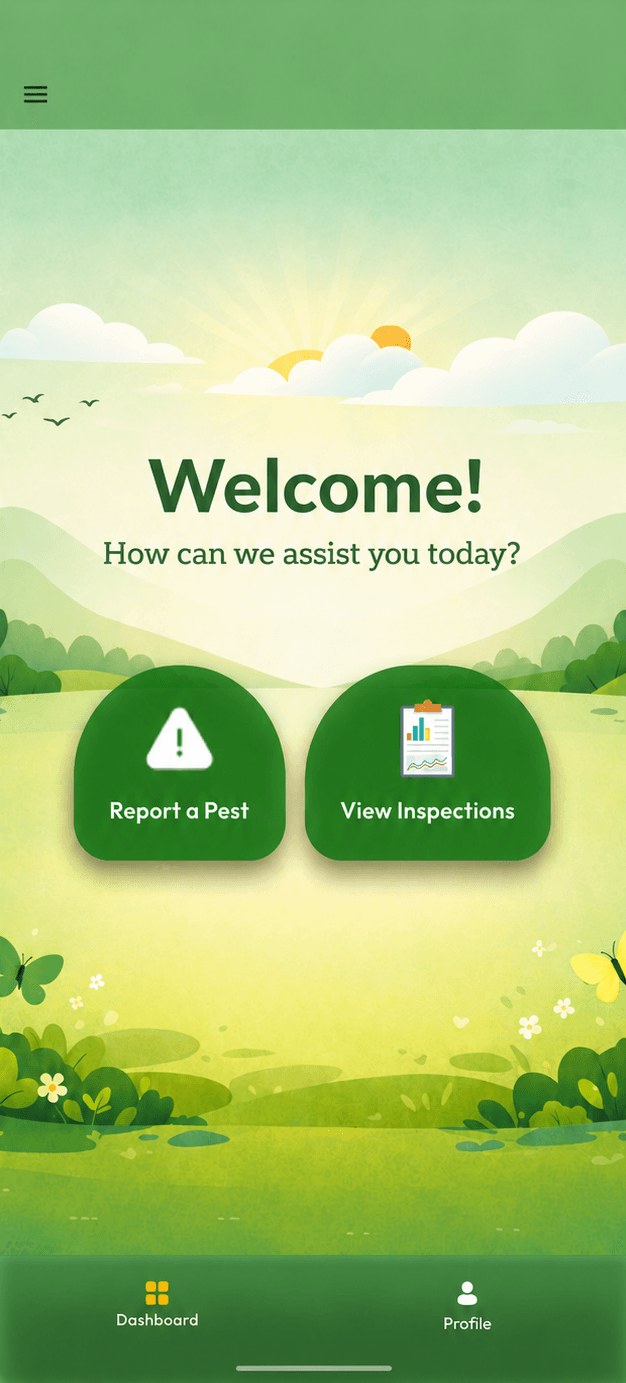
Download the mobile app
Your inspection reports, in one place.
Professional Exterior Pest Assessment
This assessment is designed to help homeowners understand what’s happening around their home — even if no treatment is needed. In many cases, we recommend monitoring or exterior adjustments rather than treatment. You’ll also receive helpful homeowner guides on rodent control, eco-friendly mosquito control, and general pest prevention.
What you’ll get:
- A personalized pest protection recommendation
- A clear explanation of whether treatment is needed
- Free homeowner guides on rodents, mosquitoes, and eco-friendly pest control
- No obligation and no pressure
View Pest Protection Options
Review our pest protection options to see how different levels of service address common pest pressure throughout the year. This comparison helps homeowners understand what’s included, what’s optional, and which level of protection may make sense based on their property and pest activity.
Pest Control Plans
Straightforward monthly protection
Fixed monthly pricing, month-to-month — no long-term contracts. Bed bugs and termites are not covered by any plan; rodent coverage means mice and rats.
BugBlock
Seasonal Pest Protection
$99/mo
Month-to-month · no long-term contract
General insect pests.
Not included: Bed bugs, cockroaches, termites, pantry pests, mice, rats, ticks, fleas, carpet beetles, stinging insects, and mosquitoes.
PestBlock
Year-Round Home Protection
$159/mo
Month-to-month · no long-term contract
Everything in BugBlock plus cockroaches, pantry pests, mice & rats, ticks, and stinging insects such as wasps, hornets, and carpenter bees.
Not included: Bed bugs, termites, mosquitoes, fleas, and carpet beetles.
MaxBlock
Complete Pest & Mosquito Protection
$279/mo
Month-to-month · no long-term contract
Everything in PestBlock plus mosquitoes.
Not included: Bed bugs, termites, fleas, and carpet beetles.
Our guarantee
If a covered pest returns while the customer's service is active, Planet Friendly Pest Control will return and address the problem at no additional charge.
Flea and carpet beetle services may be available to established PestBlock and MaxBlock clients following inspection — not included as standard plan coverage.
Service Areas
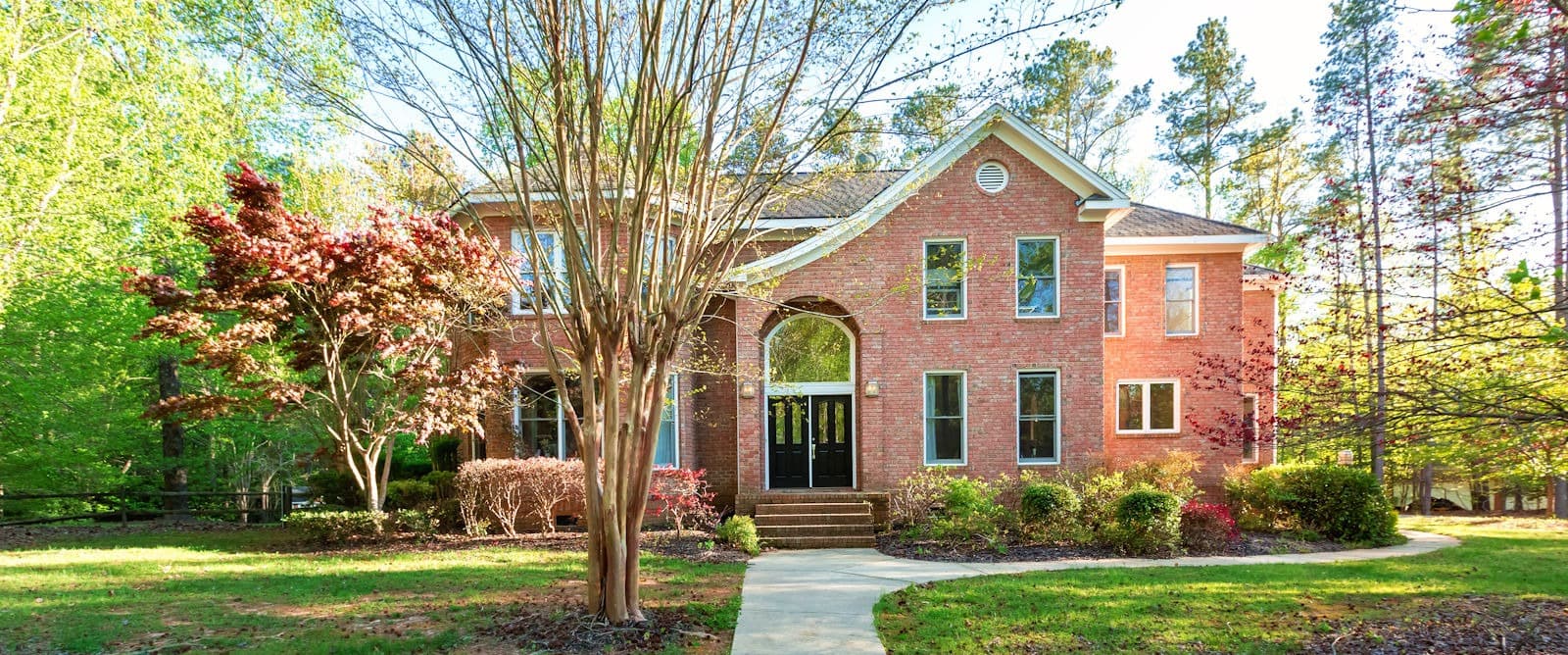
We work exclusively with single-family homes in:

Northern Virginia
Alexandria, Arlington & surrounding communities.

Southern Maryland
Prince Frederick, Waldorf, Leonardtown & more.
Including these communities
- Alexandria
- Arlington
- Annapolis
- Huntingtown
- Owings
- Dunkirk
- Prince Frederick
- Waldorf
- La Plata
- Cobb Island
- Leonardtown
- Lexington Park
- Hughesville
- Mechanicsville
…and surrounding communities. Pest pressure, soil conditions, and seasonal patterns here are different than other regions — and our recommendations are built around local experience.
Where to start
Choose the right next step
Not every home needs the same level of pest control, and inspection is the best way to determine what actually makes sense. Most homeowners come to us for one of three reasons.
I Have a Pest Problem
Common household and seasonal pests in our region all behave differently and require different solutions. Learn what's causing the problem and how inspection-first pest control addresses it.
Explore Common Pest Problems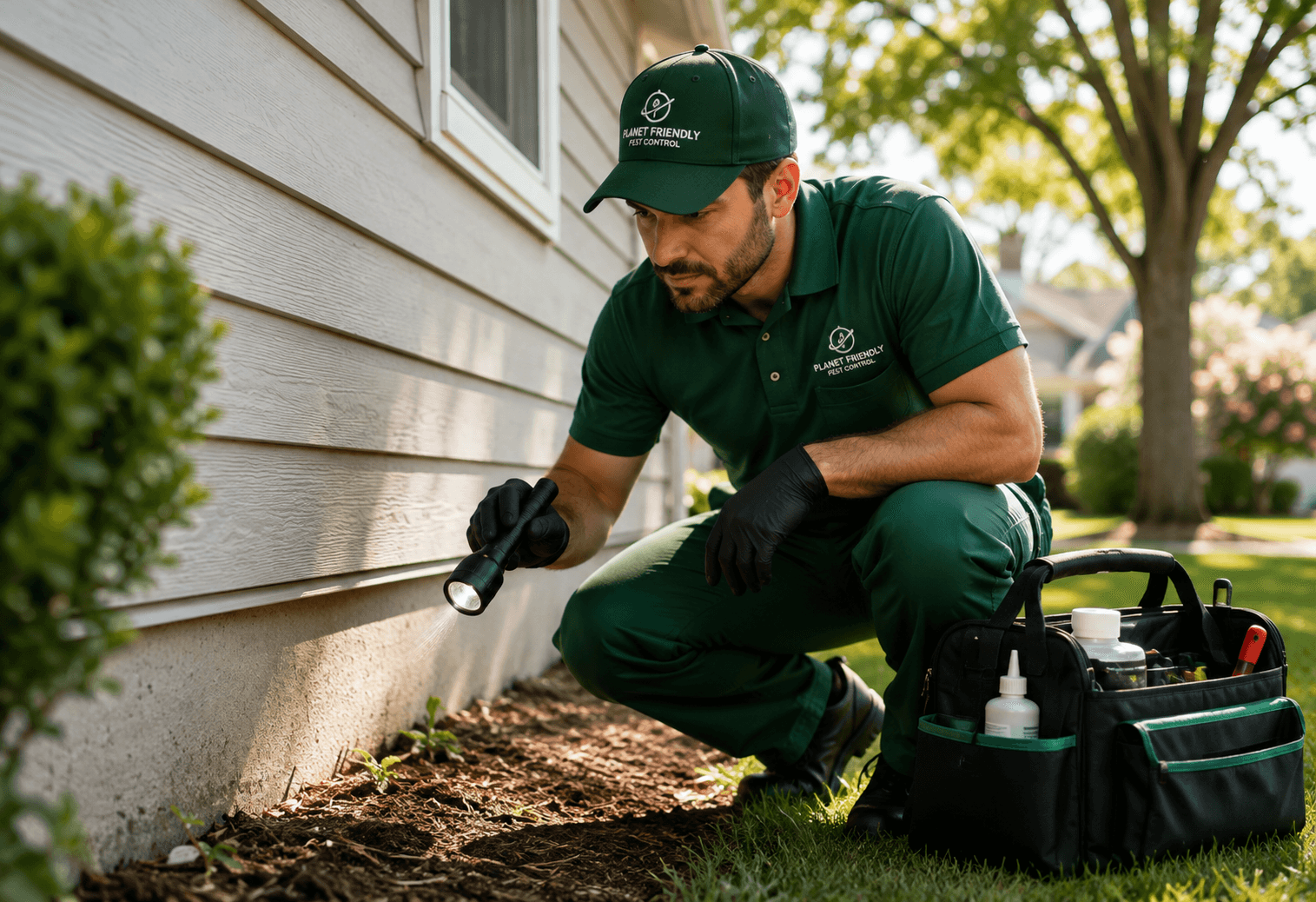 Recommended
I Want a Professional Inspection
If you're unsure what's causing a pest issue — or whether treatment is even needed — an inspection is the smartest place to start. We'll inspect your home, explain what's happening, and recommend only what makes sense.
Schedule Your Free Initial Site Inspection
I Want Ongoing Pest Protection
Recurring pest activity is best handled with seasonal or year-round exterior protection designed around local pest cycles. Our protection plans provide predictable service and long-term peace of mind.
View Pest Protection PlansHonest expectations
Are we the right fit for your home?
We are a good fit for homeowners who want…
- Thoughtful, inspection-driven decisions
- Minimal exposure for pets and family
- Exterior-focused, targeted treatments
- Long-term peace of mind instead of quick fixes
If you value professional judgment, clear explanations, and a lighter touch on your home, you’ll feel comfortable with how we work.
We’re not the right fit if…
- You're looking for a one-time fix
- You want the cheapest option
- You prefer routine interior treatments without inspection
That approach usually means more product, more exposure, and more frustration over time.
Free · No obligation
Schedule your free consultation
Schedule your free consultation and also receive a copy of the eBook:
“Pets and Pest Control — What Every Pet-Family Should Know”
by Lisa Wright, DVM

Good to know
Quick pest control answers for homeowners
(Southern Maryland & Northern Virginia)
Still have a question?
Talk to a local expert — no pressure, no obligation.
Inspection-first, exterior-first pest control
Ready to protect your home the smart way?
Whether you’re dealing with an active pest issue or planning ahead, the next step is simple.
Schedule your Initial Site Inspection today.
No contracts. No unnecessary indoor spraying. Just smart, outside-first pest control.